
Key takeaways
- Figma announced 20 new MCP integrations including ClickUp, Linear, Notion, and Mistral at its inaugural Config conference in India.
- Co-founder Dylan Field publicly questioned whether MCP fairly distributes advantages, noting the protocol benefits frontier AI labs while other companies open their data.
- Field highlighted that Anthropic, which created MCP, has not exposed its own resources through the protocol, illustrating asymmetric openness.
- Figma's restrained approach to exposing data through MCP reflects security concerns about abuse potential as sensitive data flows through the protocol.
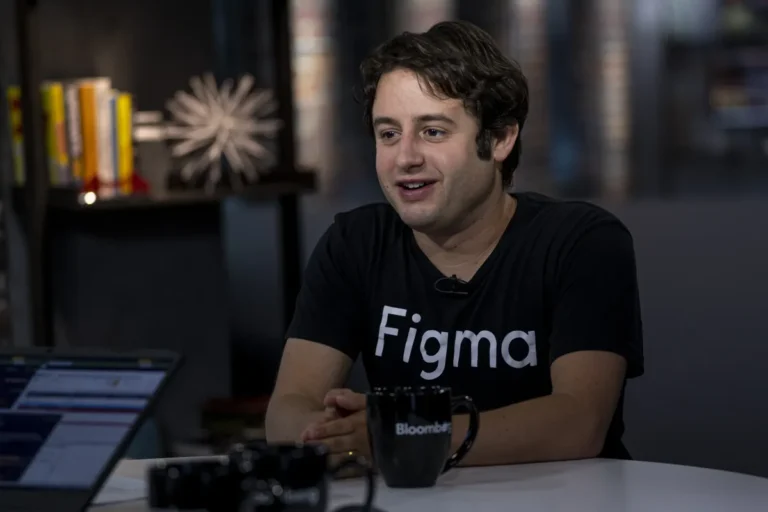
Figma has announced support for 20 new integrations using Model Context Protocol (MCP), the open standard created by Anthropic for connecting AI agents to external tools and data. At the same time, Figma’s co-founder Dylan Field has expressed significant reservations about whether MCP itself is fit for purpose.
The expansion of MCP support at Figma’s inaugural Config conference held in India reflects a broader industry push toward standardized AI connectivity. Yet Field’s public statements suggest Figma sees value in opening its ecosystem even while questioning the framework in which that openness is being pursued. This tension reveals underlying concerns about how the protocol distributes advantages across the AI industry.
The 20 Partners and Their Reach
Integration Across the Ecosystem
The 20 MCP integrations expand Figma’s connectivity to an ecosystem spanning task management, development tools, design collaboration, and AI infrastructure. ClickUp handles workflow automation, Linear addresses software engineering, Mistral and other AI platforms integrate as language model backends, and services like Notion bring document and knowledge base data into the conversation. Additional partners include Amp, Dia, Junie by JetBrains, Meta Muse, OpenCode, and Sarvam Agents.
Benefits in Practice
From Figma’s perspective, each partnership allows users to embed Figma data into AI workflows without manual data copying or custom API work. A designer using Claude or another AI model with MCP support can reference Figma files directly within the model’s context, reducing friction between design tools and AI-assisted work.
Field’s Criticism of Anthropic
Field’s skepticism crystallized in public comments targeting Anthropic’s own use of MCP. “I find it interesting that Anthropic do not expose artifacts or other cloud resources created via MCP,” he wrote on X. He extended the critique by noting that “the debate is framed as open vs closed. Everyone always prefers open, obviously. And meanwhile issues of asymmetric context sharing are ignored.”
The comment targeted a specific tension: if MCP is truly an open protocol that all companies should embrace, why hasn’t the company that created it exposed its own products through it? Artifacts, Claude’s feature for generating documents and code, remain proprietary and inaccessible via MCP. This gap suggests either that Anthropic has identified limitations in the protocol, or that it is preserving strategic advantages by staying outside the standard it promotes.

Limitations of the Protocol as Currently Designed
Field’s Assessment of Structural Flaws
When asked directly about MCP during a media briefing, Field did not defend the standard. “I’m really excited about what we’re doing in terms of opening up our ecosystem. I also think that MCP is not a perfect protocol. And I think that it is something that has tons of room for improvement,” he said. “It is advantaged more to frontier labs.”
The statement amounts to a public acknowledgment that the standard has structural flaws favoring the largest AI companies. Frontier labs—typically referring to firms like Anthropic, OpenAI, and Google—can set the terms of integration and benefit from ecosystem adoption while, as Field noted, potentially keeping their own capabilities proprietary. Field did not detail specific technical shortcomings, but his framing suggests the protocol may not adequately address security, fairness, or the distribution of power in AI integrations.
Figma’s Measured Approach to Data Exposure
Figma’s measured approach to exposing data through MCP reflects practical security concerns. Field explained that the more data a company makes available through any protocol, the higher the risk of misuse or abuse. While he acknowledged that most users have no malicious intent, companies must still design for worst-case scenarios.
Balancing openness against potential abuse requires restraint. Figma could theoretically expose far more granular data about files, users, and activity through MCP, but doing so would expand the surface area for attackers or malicious applications. Field’s reasoning applies to any platform controlling valuable assets: openness and safety are sometimes in tension.
The Asymmetry Problem
How Unequal Openness Concentrates Advantage
Field’s repeated emphasis on “asymmetric context sharing” points to a systemic issue rather than a technical flaw. If MCP becomes the standard way AI agents access external tools and data, but large AI companies can opt out selectively while benefiting from universal adoption by others, the standard becomes a mechanism that concentrates advantage.
Anthropic could, theoretically, use MCP internally to integrate its own products while exposing them through the standard, leveling the field. Instead, Anthropic benefits from other companies opening up their data through MCP while preserving proprietary control over its own artifacts and other resources. This arrangement favors whoever designed the protocol and can decide its scope. As the standard spreads, the pressures Field identified will likely intensify.
What This Means for Developers
For teams building AI agents and integrations, Field’s skepticism should prompt caution. MCP is useful and gaining adoption, but treating it as a stable, final standard may be premature. Companies like Figma are investing in it, but their own leaders acknowledge it lacks maturity and fairness safeguards.
Developers should also recognize that integration success depends on which MCP partners become dominant. If most value flows through a few key integrations, and those partners have incentives misaligned with users’, then MCP’s promise of open, standardized connectivity breaks down in practice. Figma’s announcement of 20 partners demonstrates confidence in the standard’s utility. Field’s simultaneous critique suggests confidence that MCP will evolve, not that the current version is adequate for the future. How Anthropic and other creators respond to these fairness concerns will determine whether MCP becomes truly open or remains another way for frontier labs to consolidate power in AI infrastructure.
Source: TechCrunch
Frequently Asked Questions
What are the 20 new MCP partners Figma announced?
The partners include Amp, ClickUp, Dia, Junie by JetBrains, Linear, Meta Muse, Mistral, Notion, OpenCode, and Sarvam Agents, among others. These integrations allow AI agents to connect to Figma's design files and data through the Model Context Protocol standard.
What is Dylan Field's main concern about MCP?
Field believes MCP is "not a perfect protocol" and that it is "advantaged more to frontier labs." He specifically criticized Anthropic for not exposing its own resources like artifacts through MCP while promoting the standard to others.
Why isn't Figma exposing all of its data through MCP?
Field explained that the more data a company exposes through MCP, the higher the risk of abuse. While most users don't intend to misuse Figma data or MCP integrations, the company must still account for potential security risks.
