
Key takeaways
- U.S. intelligence agencies conducted year-long surveillance of Megaspeed executive Alice Huang, investigating whether she gathered sensitive information from Nvidia CEO Jensen Huang.
- Megaspeed faced separate Commerce Department investigation in 2025 for allegedly helping Chinese companies bypass U.S. export controls on restricted AI chips.
- Nvidia denied any security breach, stating the CEO's interactions with Huang were routine business meetings among thousands yearly with customer executives.
- The case reflects broader U.S. concerns about technology leakage to China through commercial intermediaries amid export control restrictions on advanced semiconductors.
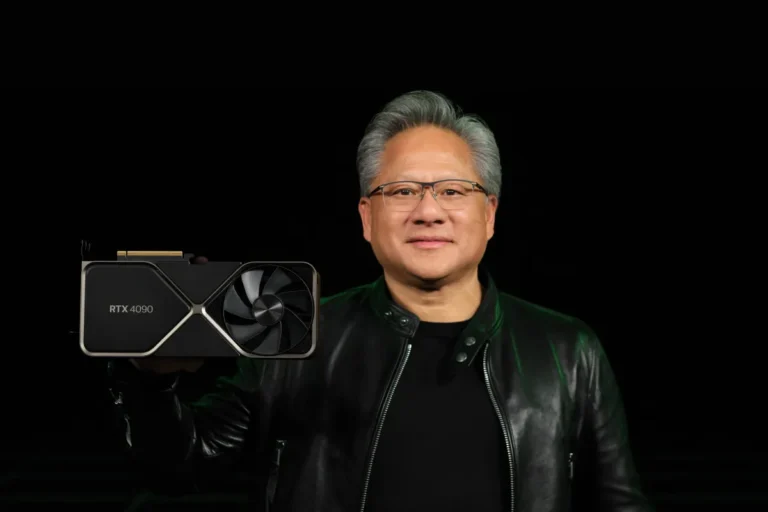
U.S. intelligence agencies spent approximately one year surveilling an executive at Singapore-based AI cloud company Megaspeed, investigating whether she was acting as a Chinese spy and gathering sensitive information from Nvidia CEO Jensen Huang, according to reporting by the New York Times. The executive, Alice Huang (also known as Huang Le), held a senior position at Megaspeed, which faced a separate Commerce Department investigation in 2025 for allegedly helping Chinese companies bypass U.S. export controls on restricted artificial intelligence chips.
Surveillance of Alice Huang
Year-long investigation
U.S. authorities examined Alice Huang’s connections to China over the course of roughly one year, focusing on whether her proximity to one of the technology industry’s most powerful executives could serve an espionage purpose. Surveillance and intelligence analysis concentrated on potential paths through which she could gain access to classified or commercially sensitive information about U.S. technology strategy and government policy-making related to semiconductor exports.
Documented meetings with Nvidia CEO
Photographs documented Alice Huang alongside Jensen Huang at multiple business dinners in the Singapore region, creating a visible pattern of direct interaction between the Megaspeed executive and the Nvidia leader. Intelligence analysts assessed whether these recurring social encounters, combined with her corporate access and position, could facilitate unauthorized collection of sensitive information during these private meetings.
Megaspeed’s Role in Export Control Violations
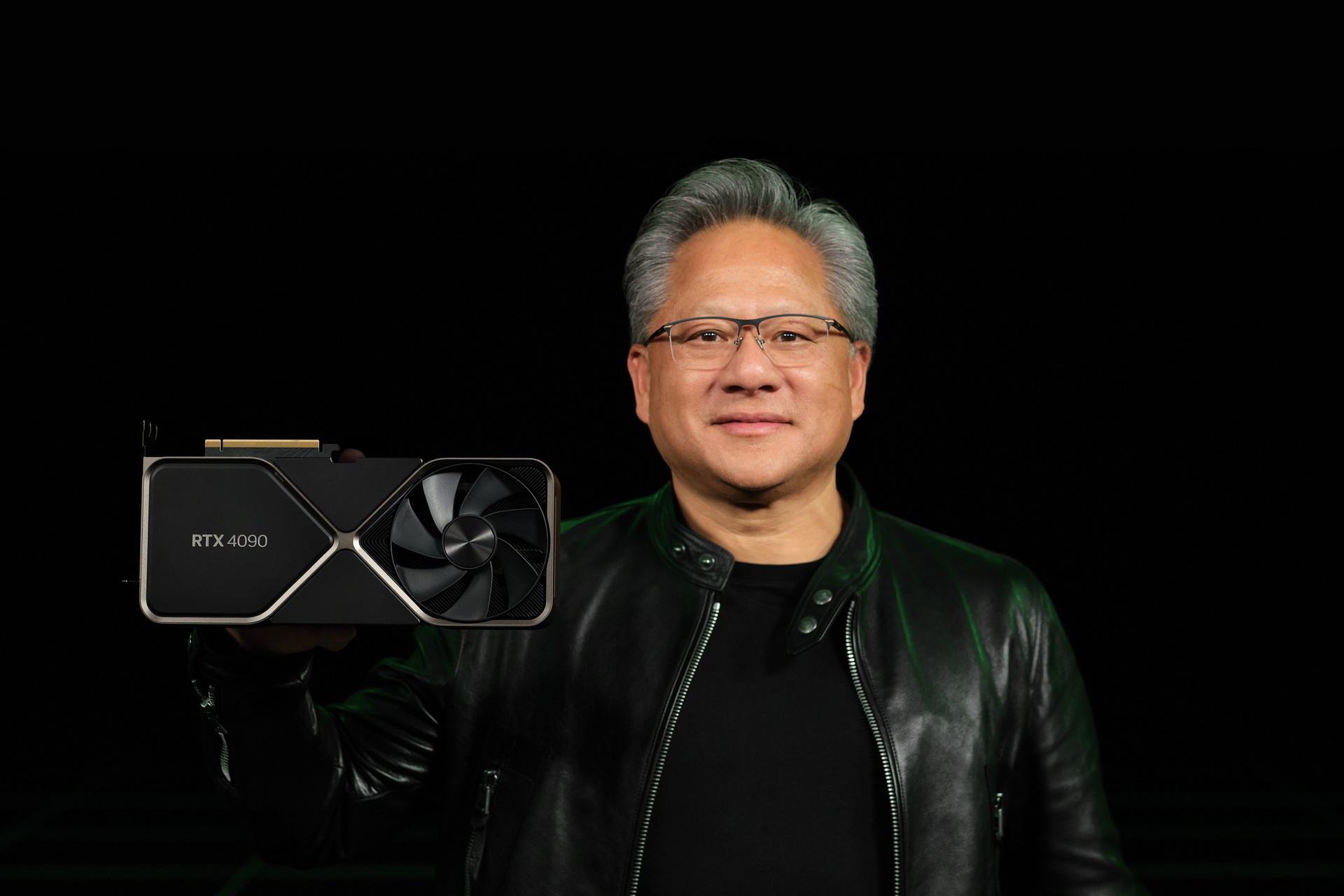
Megaspeed’s business practices drew separate investigation from the Commerce Department beginning in 2025, with authorities examining allegations that the company was acquiring Nvidia’s restricted semiconductors and reselling them to Chinese customers in violation of U.S. export regulations. The firm operated as an intermediary, purchasing chips that Chinese research institutions and companies were prohibited from buying directly, then redistributing them through channels designed to circumvent U.S. oversight. This business model positioned Alice Huang and other Megaspeed executives at the center of technology smuggling operations with implications for national security.
Intelligence Community Concerns
Access to strategic information
Intelligence officials worried that Alice Huang’s documented closeness to Jensen Huang could create opportunities to extract proprietary information about Nvidia’s product development timeline, manufacturing capacity plans, and technological innovations in artificial intelligence processing. Beyond commercial intellectual property, they focused particular concern on her potential access to details about the CEO’s direct lobbying efforts with members of the Trump Administration regarding export restrictions on advanced chips bound for China. This information would carry exceptional value to Beijing, potentially shaping how Chinese policymakers and companies approached their acquisition strategies for restricted semiconductor technology.
Nvidia Disputes Security Concerns
Nvidia categorically rejected implications of security vulnerabilities or breaches. The company told TechCrunch through a spokesperson that Jensen Huang’s meetings with Alice Huang reflected standard business practice for a CEO operating a global business serving international customers. “Jensen’s interactions with Ms. Huang are not unusual or unexpected. Meetings with customers are part of a C.E.O.’s job; Jensen talks with thousands of customer executives every year,” the company said. Nvidia stated explicitly that regional cloud customers interact only with ordinary, non-proprietary business information and maintain zero access to sensitive trade secrets, technical specifications, or material relevant to U.S. national security.
Semiconductors, Export Policy, and Strategic Competition
China’s blocked access to cutting-edge chips
Chinese artificial intelligence laboratories, research institutions, and technology companies all face strict legal barriers preventing them from purchasing Nvidia’s most advanced processors, even though demand from these quarters remains exceptionally high. The resulting gap between Chinese demand and legally permitted supply has created economic incentives for actors like Megaspeed to bridge the gap, establishing secondary markets where prohibited technology can reach end-users in China through indirect channels.
Shifting political currents on export rules
Nvidia has mounted ongoing efforts to persuade U.S. policymakers that existing export restrictions are economically damaging and technologically outdated, arguing they cede competitive advantage to rivals and limit the company’s market opportunities. The incoming Trump Administration’s position on semiconductor export policy remains uncertain and could shift in either direction, making insider knowledge about government thinking and decision-making processes extraordinarily valuable to Chinese technology competitors seeking to anticipate or influence future policy changes.
Source: TechCrunch
Frequently Asked Questions
Why was Alice Huang under surveillance?
U.S. intelligence investigated whether the Megaspeed executive, who had documented meetings with Nvidia CEO Jensen Huang, could be gathering sensitive information about Nvidia's technology plans and the CEO's efforts to convince the Trump Administration to loosen export restrictions on chips to China.
What was Megaspeed's alleged illegal activity?
The Commerce Department investigated Megaspeed in 2025 for allegedly helping Chinese companies bypass U.S. export controls by reselling restricted Nvidia AI chips that Chinese entities were prohibited from purchasing directly.
Did Nvidia acknowledge any security concerns?
No. Nvidia told TechCrunch that Jensen Huang's meetings with Alice Huang were routine business interactions, noting the CEO meets thousands of customer executives annually. The company stated regional customers receive only ordinary business information with zero access to trade secrets or national security material.
