
Key takeaways
- Garena launched Free Fire India after a four-year ban, featuring parental controls, spending limits, and data hosted on Indian servers to meet regulatory requirements.
- Free Fire maintains three times more monthly active users than competitor BGMI in India, with 77.4 million versus 20.8 million users in June 2026.
- Indian mobile gaming downloads reached 2 billion in Q2 2026, growing 14.2% quarterly, providing market justification for Garena's regulatory efforts.
- The return opens esports career opportunities for players and content creators who built audiences around Free Fire during the four-year prohibition.
The Return After Four Years
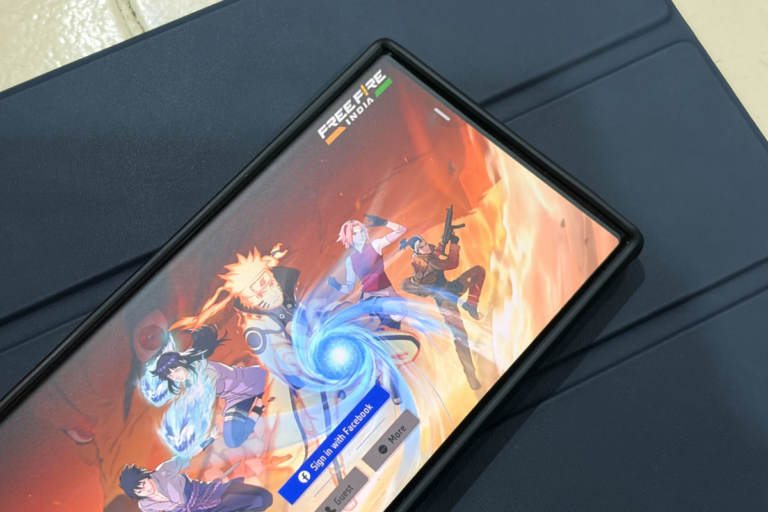
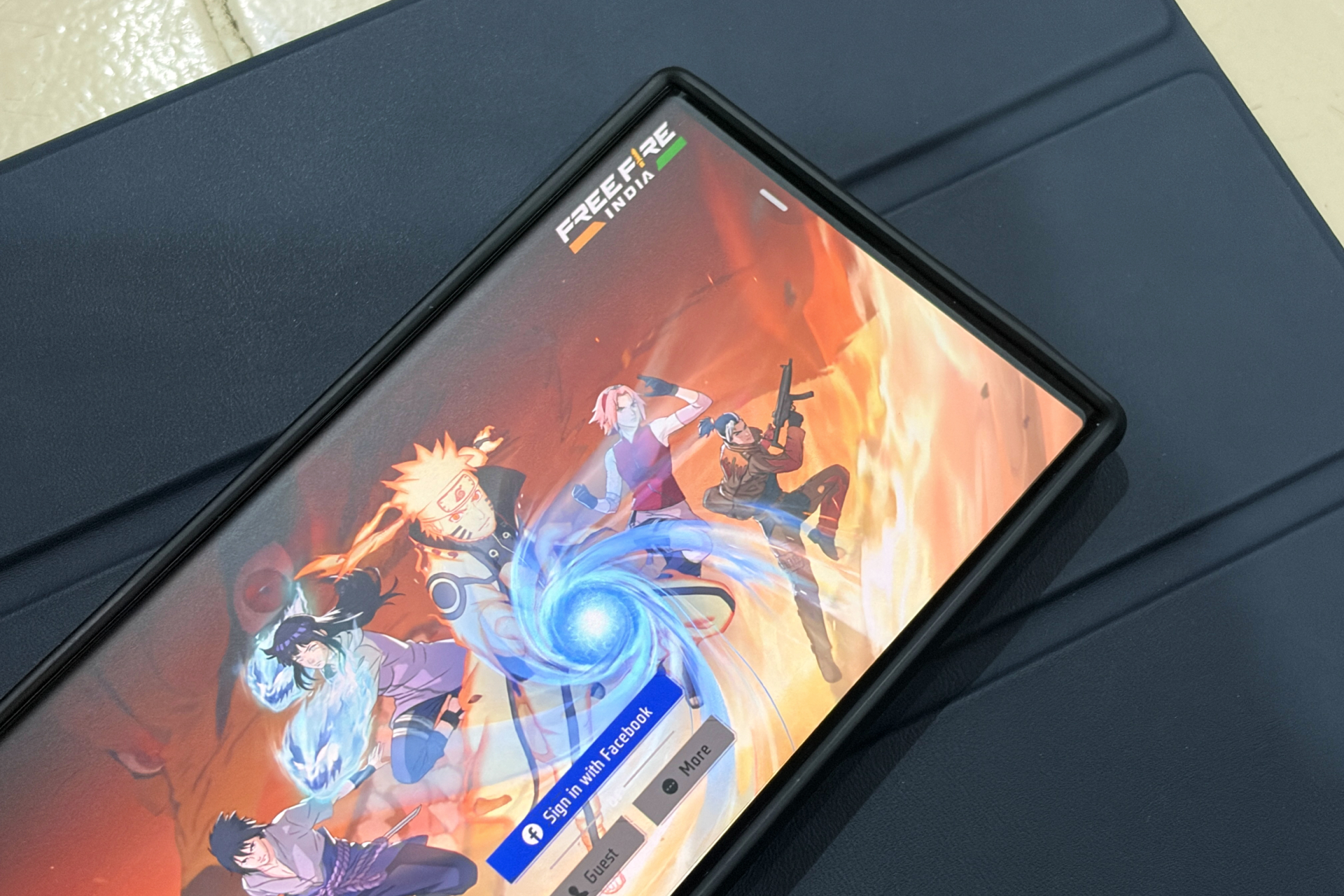
More than four years after Indian government authorities banned Garena’s Free Fire, the Singapore-based company has reintroduced the game to the market with a purpose-built version. Free Fire India launched this week as a standalone title available on Android and iOS, accompanied by India-specific content, parental controls, daily playtime limits, spending caps, and servers hosting user data within India’s borders. The company owned by Southeast Asian technology giant Sea had originally planned to release this localized version in September 2023, but the launch was postponed without public explanation. The extended delay meant Indian players had operated without the game’s official presence for nearly half a decade, despite Free Fire MAX remaining continuously available.
The February 2022 Ban and Its Ripple Effects
The Prohibition and National Security Rationale
India’s government in February 2022 prohibited Free Fire alongside 53 other applications on grounds of national security and alleged connections to China. The timing placed Free Fire among a wave of high-profile app removals that reflected Indian regulatory concerns about data sovereignty and foreign technology influence. By this point in 2022, Garena’s title had already consolidated significant market share following another major disruption: the September 2020 ban of PUBG Mobile, which had freed casual battle royale players to migrate toward competing titles. Free Fire had captured a substantial portion of that displaced user base, making it one of India’s most-played mobile games before prohibition.
Market Impact and Sea’s Stock Reaction
The ban’s financial consequences for Garena’s parent company proved immediate and severe. Sea’s market capitalization declined by more than $16 billion in a single trading day as investors repriced the company’s valuation to account for the loss of India’s gaming market. Despite this shock, Garena’s operations in India did not cease entirely: Free Fire MAX, an enhanced version distinguished by improved graphics and additional features, had not been included on the government’s prohibited list and remained available to players throughout the ban period.
Regulatory Strategy and Compliance Architecture
Government Coordination and Policy Development
Vaibhav Das Mundhra, Garena’s head of operations in India, told TechCrunch that the company had engaged with relevant Indian government authorities during development of Free Fire India. The collaboration resulted in a title designed to incorporate regulatory feedback across technical, policy, and child safety dimensions. Mundhra declined to specify what had changed in the regulatory environment or policy framework that had enabled the recent launch, leaving questions about the negotiation process unanswered.
Built-In Safeguards for Child Players
Free Fire India incorporates parental controls, daily playtime restrictions, and spending caps—features targeting child safety concerns that Indian regulators emphasize in mobile gaming policy. The inclusion of these controls reflected priorities identified by government authorities during negotiations. By housing all user data on servers located in India, the game addresses data residency requirements that constitute a central component of Indian digital policy for foreign technology companies.
Market Dynamics and Competitive Position
Free Fire’s Sustained Dominance Over BGMI
Krafton, the South Korean publisher of PUBG Mobile, responded to Free Fire’s 2022 ban by launching Battlegrounds Mobile India (BGMI), a version of PUBG Mobile adapted for Indian players. Despite this direct competition, Garena’s franchise has maintained substantially higher engagement across the Indian market. According to Sensor Tower data reviewed by TechCrunch, Free Fire recorded 77.4 million monthly active users in India in June 2026, more than three times the 20.8 million monthly active users reported for BGMI over the same period.
Unified Account and Event Ecosystem
Garena’s strategy for Free Fire India emphasizes continuity with Free Fire MAX through account unification. Players can maintain a single account across both titles, participate in shared events, and engage in multiplayer sessions that span both games. This approach creates stickiness by reducing friction for players who might otherwise treat the two versions as separate gaming properties. The strategy differs from BGMI’s positioning as a discrete product without comparable cross-title integration.
The Professional Gaming and Creator Economy
Esports Teams and International Competition
Free Fire’s return arrives as Indian esports organizations have gained international representation through the franchise. Teams including S8UL Esports, Apex Gaming, and Total Gaming competed at the Esports World Cup 2026, carrying the game’s flag in competition outside India. Animesh Agarwal, co-founder and CEO of S8UL Esports, said the game’s return could expand opportunities for players pursuing esports careers and content creators who built audiences around Free Fire during the ban period. Agarwal stated, “For me, the real impact goes beyond the game itself. It’s about the players who dream of building a career in esports, the creators who have built communities around the title, and the opportunities this ecosystem can create for everyone involved.”
Continuous Development in Studios Across India
While Free Fire remained prohibited, Garena did not abandon its Indian game development operations. The company’s studios in Pune and Mumbai continued producing titles inspired by Hindu mythology, cricket, and traditional Indian board games, with some titles released during the ban period. One such game, Versus, appeared in early access on Google Play before being subsequently delisted from the platform. This development activity signals Garena’s commitment to the Indian market despite the headline ban on its most successful title.
Mobile Gaming Market Expansion in India
The relaunch occurs as India’s mobile gaming sector experiences sustained growth. During Q2 2026, Indian mobile game downloads reached 2 billion, representing a 14.2% increase from the previous quarter. Revenue in the sector surpassed $106 million over the same period, marking a 3.7% quarterly increase. This scale of market activity justifies the substantial regulatory efforts and product adaptation that Garena undertook to bring Free Fire India to market, positioning the relaunch within the context of India’s emergence as a significant global gaming economy.
Source: TechCrunch
Frequently Asked Questions
Why was Free Fire banned in India?
India's government banned Free Fire in February 2022 along with 53 other applications, citing national security concerns and alleged links to China.
How does Free Fire's user base compare to BGMI?
According to Sensor Tower data reviewed by TechCrunch, Free Fire had 77.4 million monthly active users in India in June 2026, more than three times BGMI's 20.8 million users.
What regulatory features does the new version include?
Free Fire India features parental controls, daily playtime limits, spending caps, India-specific content, and servers hosted in India to comply with data residency requirements.
