
Key takeaways
- Meta, Amazon, Google and Microsoft each committed to building natural gas power plants of 7+ gigawatts for AI data centers, betting on sustained low prices of $2-4.50 per million BTUs.
- Energy analyst Noreva forecasts natural gas prices could surge above $10 per million BTUs—more than tripling current levels—as LNG exports, declining supply growth and hyperscaler demand collide.
- If prices spike, the "bring your own power" data center model could become unprofitable, forcing hyperscalers to either raise AI token costs or reconnect to the grid at higher electricity rates.
- Tech giants are taking on unfamiliar commodity price risk; 80 percent of consumers already worry about data centers' utility bill impact, which could extend to natural gas if prices surge regionally.
The race to build infrastructure for artificial intelligence computation has led technology giants into unfamiliar waters: the natural gas market. Over the past several months, Amazon, Google, Meta, and Microsoft announced plans to construct large-scale power plants fueled by natural gas, a shift from their earlier emphasis on renewable energy sources. But energy analysts warn that the economics underpinning these bets may not survive the next price cycle.
The Infrastructure Buildout Reshapes Industry Strategy
Meta announced in March that it would construct a 7.5-gigawatt natural gas power plant in Louisiana to support operations at its Hyperion data center. Within days, Microsoft and Google each revealed parallel plans to build gigawatt-scale natural gas plants in Texas. Amazon, not to be outdone, plans its own 7.6-gigawatt natural gas facility in the state.
These announcements represent a stark departure from how technology companies had historically approached infrastructure. For years, the industry marketed its commitment to wind and solar energy as a core environmental commitment. The sudden pivot underscores a critical reality: renewable energy sources cannot reliably meet the constant, baseline power demands of large-scale AI computation, especially as model sizes and training requirements expand.
Why Fossil Fuels Beat Renewables
Natural gas offers a controllable power supply that renewables cannot match. Unlike solar and wind, which depend on weather patterns and time of day, natural gas power plants can run continuously. For hyperscalers deploying billions of dollars in AI infrastructure, reliability matters more than the messaging benefits of renewable energy.
The Economics of Direct Generation
The cost argument has been equally compelling. In Texas and Louisiana, natural gas prices have hovered between $2 and $4.50 per million BTUs—well below historical averages. The Henry Hub benchmark in Louisiana, the most widely traded natural gas contract, priced at just under $3 per million BTUs at the time of these announcements. Fuel costs represent approximately 50 percent of the total expense to generate electricity from a large power plant, making natural gas prices a fundamental driver of data center economics.
Regional Advantages in Supply
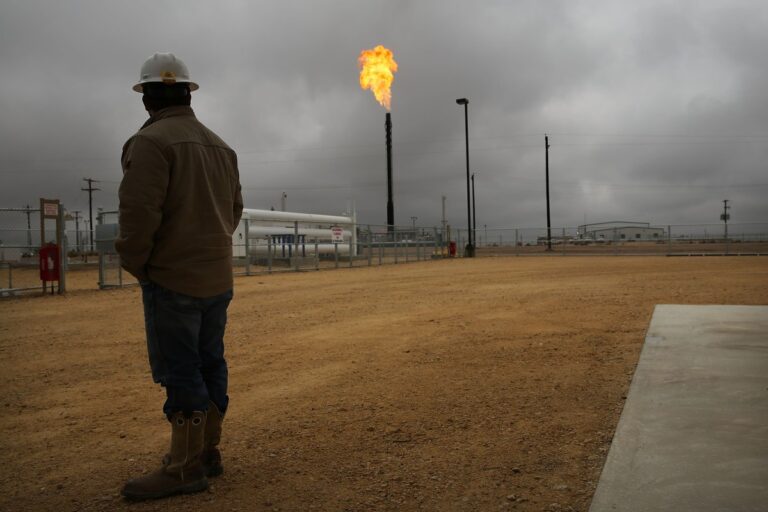
West Texas presented an especially attractive opportunity. Oil wells in the region produce natural gas as a byproduct of oil extraction. For decades, producers had few options for monetizing this gas—it lacked sufficient pipeline infrastructure to reach major markets. Instead, they sold it at steep discounts to local buyers. When hyperscalers began scouting locations, this excess cheap gas became an irresistible draw.
Analyst Warning: Price Spike Could Reshape AI Economics
Noreva, an energy research firm, has released analysis suggesting the foundation for these bets may be eroding. The firm projects that natural gas prices in certain U.S. hubs could surge above $10 per million BTUs in the coming years. That would represent a more than 200 percent increase from current price levels.
Peter Gardett, chief executive of Noreva, laid out the dynamics driving this forecast. “You just need simple arithmetic to get to a much tighter gas market than you were in just a few years ago,” he told TechCrunch. He added that investors in the space appeared “surprised” by the level of natural gas price risk that hyperscalers were willing to shoulder through these long-term commitments.
Supply-Side Pressures Converge
For years, natural gas prices remained stable because supply additions roughly matched demand growth. Producers opened new wells to replace declining production from older operations. This stability is about to crack, according to Gardett. New well development will continue, but at slower rates than historically observed. Simultaneously, each new well costs more to drill and develop than it did a decade ago.
The calculus would remain manageable if the U.S. market operated in isolation. But infrastructure changes are connecting domestic supply to global markets. “We’re connecting the domestic gas market to the global gas market,” Gardett explained. Texas and Louisiana are expanding their liquefied natural gas export terminals, allowing producers to sell to international buyers at higher prices. This creates upward pressure on domestic prices as well.
AI Demand as the Tipping Point
Into this tightening supply picture comes hyperscaler demand. These companies are not typical industrial users of natural gas. Their 7+ gigawatt commitments represent demand shocks of unprecedented scale. The combination of declining supply growth, rising export competition, and surging hyperscaler consumption is the recipe Noreva sees leading to regional price spikes above $10 per million BTUs.

Financial Consequences Ripple Through the Sector
If Noreva’s forecast proves accurate, the financial consequences would reshape data center economics. A doubling or tripling of natural gas costs would directly increase the cost of electricity. Under a “bring your own power” model where hyperscalers build dedicated plants, these costs translate directly to operating expenses.
The impact could unfold in several ways. Hyperscalers might pass through higher costs in the form of increased token prices to customers using their AI services. Alternatively, they could abandon the “bring your own power” model and reconnect to the electric grid, driving up wholesale electricity prices in the regions where they operate. Either path carries significant implications for the economics of AI deployment.
Consumers already express anxiety about data centers’ impact on utility bills. Research cited by Gardett shows 80 percent of consumers worry about how data centers affect their electricity costs. If natural gas prices spike, that concern could expand to gas billing as well, especially in regions where hyperscaler plants become major demand drivers.
Entering Unfamiliar Territory
What makes this situation unusual is that hyperscalers are taking on commodity price risk in markets where they possess minimal expertise. These companies built their business models around software and services, not fuel procurement and energy trading. “They’re doing things that are not normal for an off-taker to do,” Gardett noted, referring to how hyperscalers are structuring their natural gas commitments.
The near-term outlook remains benign. Futures contracts for natural gas do not yet price in the sharp increases Noreva projects. “It’s not an unreasonable bet,” Gardett conceded, regarding current price stability. But he remains unconvinced that hyperscalers have properly calculated their downside exposure.
The irony is sharp: the same companies that spent years positioning themselves as climate leaders are now betting their AI infrastructure economics on sustained cheap fossil fuel prices. If that bet goes wrong, the consequences will ripple through token pricing, electricity markets, and consumer bills in ways that today’s infrastructure plans have not fully accounted for.
Frequently Asked Questions
Why did hyperscalers suddenly shift from renewables to natural gas?
Natural gas power plants provide continuous, controllable electricity that renewables cannot match. At current prices of $2-4.50 per million BTUs, fuel represents only 50 percent of electricity costs from a large plant, and hyperscalers can build dedicated plants for reliability. West Texas offered especially cheap gas due to oil wells producing it as a byproduct with limited pipeline outlets.
What is Noreva's forecast for natural gas prices?
Noreva predicts prices could surge above $10 per million BTUs in certain U.S. hubs, more than doubling from current levels of $2-4.50 per million BTUs, driven by declining supply growth, rising liquefied natural gas exports, and massive new hyperscaler demand.
What happens to AI data center costs if natural gas prices triple?
Higher fuel costs would either force hyperscalers to increase token prices for AI services or abandon their dedicated power plants and connect to the grid, which would raise wholesale electricity prices. Consumers already express concern about data centers' impact on utility bills, which could spread to natural gas costs.
