
Key takeaways
- YouTube announced AI tools in Studio for draft feedback, thumbnail generation, expanded A/B testing, research feeds, and improved analytics to help creators optimize content.
- The dynamic thumbnail feature generates three options to test with different audience segments, building on 40 million existing A/B tests creators have already run.
- YouTube will automate thumbnail performance monitoring later in 2026, proactively swapping underperforming images without manual intervention.
- Ask Studio expands to iOS and Android for mobile access, while YouTube Shorts gains conversational editing and YouTube Create receives AI-powered enhancements.
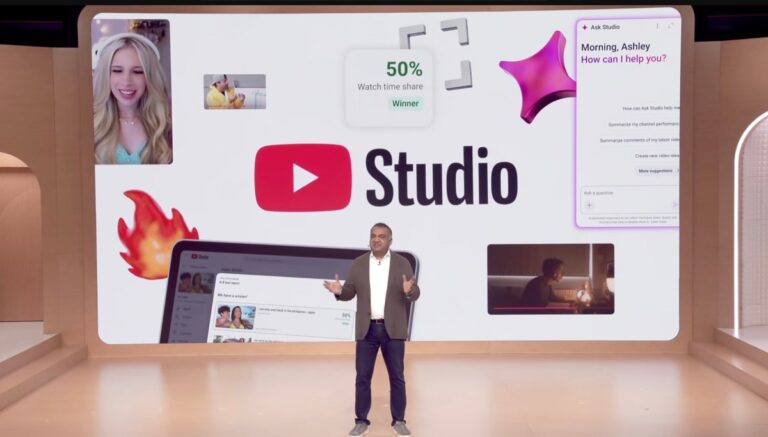
YouTube has introduced a suite of new artificial intelligence tools within its Studio application, the platform creators use to manage channels and monitor performance. Announced at the Made On YouTube annual event, these updates aim to help content creators analyze video performance, refine their creative decisions, and expand their audiences.
The new capabilities span multiple phases of video production and distribution, from initial drafting to published content monitoring. YouTube is rolling out features for draft feedback, thumbnail and title generation, expanded A/B testing, improved analytics, and mobile access to existing tools.
New Tools for Content Creation and Research
Draft feedback on unpublished videos
YouTube’s draft-feedback feature analyzes unpublished videos and surfaces suggestions on pacing, structure, and storytelling. The AI looks at raw material and offers guidance before publication, when changes are easiest to implement. Pacing problems (sections that drag or conclusions that feel rushed) often emerge from creator familiarity blind spots. Algorithmic feedback surfaces these issues without the bias of repeated viewing.
Structural suggestions target narrative flow. Stories that work tend to follow patterns: establishing context, building stakes, delivering payoff, then reflection. The AI can identify when a video skips steps or reorders them in ways that confuse viewers. Storytelling advice operates similarly, flagging moments where emotional beats fall flat or where the narrative thread disappears.
Research feed for trend discovery
A new research feed within Studio displays content types and topics gaining traction on the platform. Rather than guessing what their audiences want, creators can browse validated examples of successful content and adapt the approach to their own niches and styles. The feed acts as a discovery layer, connecting creator interests with platform-wide performance data.
Trend-following is costly for smaller creators. It requires spending time daily, tracking engagement metrics across thousands of videos, and inferring patterns from noise. By surfacing what works at scale, YouTube compresses this research into a browsable list and creators gain more recent data than they would discover independently.
Thumbnail and Title Generation
YouTube recognizes that preview images and titles significantly influence whether viewers click on a video. The platform has introduced AI generation for both elements, matching the visual and text style of individual creators. Rather than manually designing thumbnails or brainstorming titles, creators input their video content and receive suggestions matched to their established aesthetic.
Thumbnails matter because the preview image is often the only information potential viewers have before deciding to click. On mobile, especially, the preview dominates the decision moment. AI generation removes the need for design skills or external tools, putting professional thumbnail creation within reach of creators without design backgrounds.
Titles carry similar weight. A well-written title describes the video content while catching attention through word choice, framing, or specificity. AI can rapidly generate multiple title options, testing different angles: the emotional hook, the practical benefit, the curiosity gap.
A/B Testing and Automated Optimization
Dynamic testing with audience segments
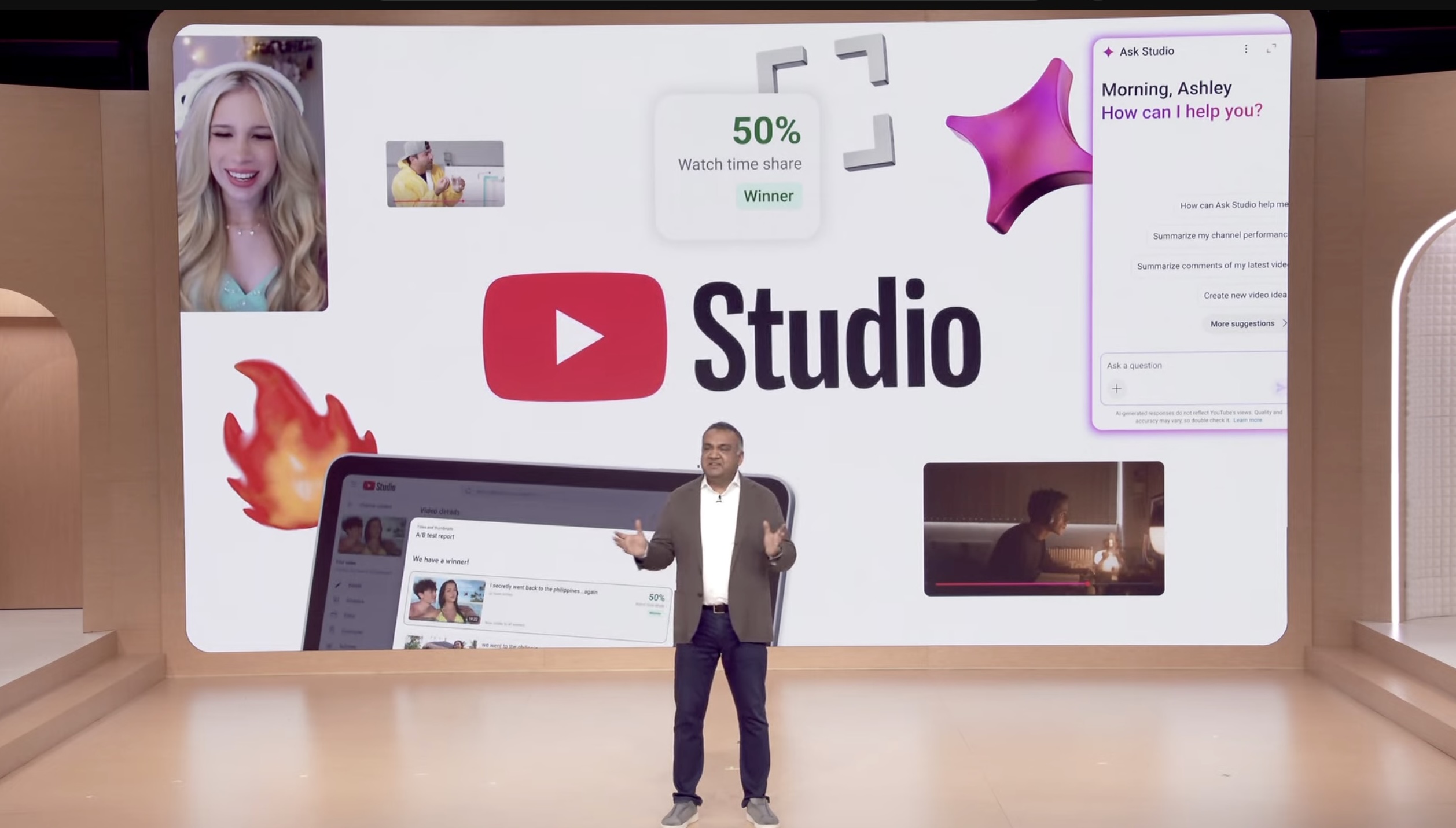
The dynamic thumbnail feature generates three distinct options and allows creators to show each variant to a different audience segment. This approach splits testing traffic automatically, revealing which thumbnail drives the highest click-through rate. YouTube notes that creators have already conducted more than 40 million A/B tests on titles and thumbnails using existing tools, indicating strong demand for optimization features.
The scale of 40 million tests shows that A/B testing is not a niche practice among creators. Many view thumbnail and title optimization as routine work, not an advanced technique. By automating test setup and results analysis, YouTube lowers friction and encourages broader adoption.
Upcoming testing and monitoring capabilities
Planned enhancements include the ability to test up to three different video cuts to determine which opening hook resonates most with viewers. An opening hook is the first 3 to 5 seconds that determine whether a viewer stays or navigates away; this period is critical for audience retention. Later in 2026, YouTube Studio will automatically monitor thumbnail performance and swap underperforming thumbnails proactively, reducing the manual work creators must invest in ongoing optimization.
The automatic thumbnail replacement feature represents a shift toward passive optimization. Rather than requiring creators to monitor performance and make adjustments manually, the system intervenes when it detects underperformance. This mirrors automation trends elsewhere in content platforms: removing human decision loops when the decision is routine and data-driven.
Analytics and Insights
YouTube is updating its analytics dashboard to provide context alongside raw view counts and engagement numbers. The new approach explains why videos perform as they do and offers specific advice for making content more engaging. This moves analytics from descriptive reporting toward prescriptive guidance.
Creators have historically received data without understanding causal factors behind performance. A video gets 5,000 fewer views than the previous week, but why? Did the topic fail, or the timing, or the thumbnail? YouTube’s updated analytics aims to bridge that gap by surfacing insights about audience behavior, content structure, and platform patterns that influence performance.
Prescriptive analytics reduce the inferential burden on creators. Rather than looking at declining views and guessing at root causes, the system can surface patterns: perhaps this video’s audience skews toward users active in the evening, but the video published at noon. Or the topic succeeded previously when framed differently. These insights allow creators to adjust strategy without external consulting.
Mobile Expansion and Broader Tools
Ask Studio, YouTube’s AI-powered question-and-answer feature, is now expanding to iOS and Android. Previously available only on the web, mobile access increases the times and places creators can interact with their community. The Q&A tool lets creators respond to viewer questions, building engagement and encouraging repeat visits.
Mobile expansion matters because creators often work on smartphones and tablets, especially when traveling or managing channels alongside other responsibilities. Limiting tools to desktop created friction. Ask Studio on iOS and Android brings feature parity across devices.
Beyond Studio, YouTube is introducing conversational editing in YouTube Shorts and updates to the YouTube Create app. These tools address different phases of the creator workflow: initial ideation and editing through distribution and community management. Shorts editing with conversational AI means creators can describe editing changes in plain language rather than navigating menus. YouTube Create updates extend AI-powered tools into the app creators use when starting from scratch, not only within Studio’s channel management interface.
Frequently Asked Questions
What is the draft-feedback feature in YouTube Studio?
The draft-feedback feature analyzes unpublished videos and provides AI suggestions on pacing, structure, and storytelling before the creator publishes, allowing them to make changes while editing is still in progress.
How many A/B tests have creators already run on YouTube?
YouTube reports that creators have conducted more than 40 million A/B tests on titles and thumbnails using existing tools, showing strong demand for optimization features.
When will automatic thumbnail replacement launch?
YouTube said the automatic thumbnail monitoring and proactive replacement feature will arrive later in 2026, allowing the system to swap underperforming thumbnails without creator intervention.
