
Key takeaways
- Simplismart raised $14 million in Series B funding led by Dallas Venture Capital, with Nvidia participating alongside Accel, Shastra VC, and Micromax, valuing the company at $100 million.
- The startup's software optimizes AI model deployment to reduce GPU costs while meeting performance requirements, with customers like InVideo achieving 56 percent cost reductions.
- Simplismart's revenue run rate grew 14-fold in six months to an eight-figure sum, with over half coming from U.S. customers despite having more customers in India.
- Nvidia's investment reflects a strategy to expand the AI market by making GPU-based inference more economical and accessible to a broader range of companies.
Simplismart, an Indian artificial intelligence startup, has raised $14 million in a Series B funding round at a post-money valuation of approximately $100 million. Nvidia participated in the investment alongside Accel, Shastra VC, and Micromax, with Dallas Venture Capital leading the round. The funding underscores growing investor interest in software tools that address a critical bottleneck in AI deployment: the substantial cost of running machine learning models on GPU infrastructure.
The Core Problem Simplismart Targets
Companies deploying AI models at scale face a complex optimization challenge. Each application demands different trade-offs between speed, cost, and computational efficiency. Running a recommendation system requires different resource allocation than running a video generation model, yet most organizations lack granular control over how their GPUs handle these varying workloads.
Simplismart positions itself as an intermediary layer between AI models and the underlying GPU infrastructure. The software automates configuration decisions that would otherwise require manual engineering effort, tailoring deployment parameters to match specific business requirements rather than applying generic settings.
How the Software Optimizes Performance
The platform adjusts multiple factors simultaneously: response latency, request throughput, and power consumption. Rather than forcing customers to choose between speed or economy, Simplismart’s approach identifies the configuration that balances these variables for each customer’s specific needs. Amritanshu Jain, co-founder and CEO, described the philosophy during a recent interview: “Nobody actually needs the fastest or the cheapest inference,” he said, noting that companies instead prioritize speeds and costs aligned with their particular use cases.
Deployment Flexibility
The Bengaluru-based company offers multiple deployment options. Customers can run AI models through Simplismart’s own platform, integrate the software into existing cloud infrastructure, or deploy it on premises. Additional capabilities include tools for model fine-tuning, automatic resource scaling as demand fluctuates, and real-time performance monitoring. Cloud providers can also use Simplismart’s technology to build inference services for their own customers.
Traction and Revenue Growth
Simplismart’s annualized revenue run rate grew 14-fold over the past six months, reaching an eight-figure sum, according to Jain. The company calculated this figure based on recent customer usage patterns rather than contracted recurring revenue, and excluded fees passed through to infrastructure providers. Jain declined to specify the exact revenue number.
The startup’s customer roster includes InVideo, an AI video generation platform that achieved a 56 percent reduction in GPU serving costs through Simplismart’s optimization, according to information provided by the startup. Other customers include AI video companies HeyGen and Higgsfield, enterprise AI startup Ema, and Indian cloud provider Yotta, which uses Simplismart’s technology to power the serverless inference service within its Shakti Studio platform.
Geographic Distribution
More than half of Simplismart’s revenue originates from the United States, despite the startup maintaining a larger customer count in India. This geographic split suggests early U.S. market penetration among higher-value customers, though the company sees significant room for expansion in both markets.
The Nvidia Paradox
Nvidia’s investment in Simplismart presents an apparent contradiction. The chipmaker, which dominates the AI accelerator market, is backing a company whose core value proposition involves helping customers achieve results with fewer GPUs. Jain addressed this apparent tension during his conversation with TechCrunch, arguing that making AI inference more efficient could ultimately strengthen Nvidia’s position. By lowering the operational cost of GPU-based AI deployment, the software makes GPU adoption more attractive to a broader range of companies, potentially expanding the total addressable market for Nvidia hardware.
Beyond the investment itself, Nvidia has been collaborating with Simplismart on technical integrations involving Nvidia’s Dynamo inference software. This collaboration includes joint work between Simplismart engineers and Nvidia’s solutions architects, and Nvidia has also introduced the startup to prospective customers and partners, Jain stated.
Competitive Landscape
Simplismart operates in an increasingly competitive market for AI inference optimization. Nvidia itself offers inference solutions, as do major cloud providers including Amazon Web Services, Google Cloud, and Microsoft Azure. A growing number of startups are developing tools to accelerate and reduce the cost of running AI models, driven by rising demand for AI applications and pressure to maximize the return on expensive GPU investments.
Differentiation Strategy
Jain highlighted Simplismart’s approach to differentiation, stating that the company tends to win in scenarios where customers face stringent requirements around service-level agreements and total cost of ownership. While competing solutions often present preset optimization profiles for speed or cost, Simplismart aims to identify the custom balance point for each customer’s specific constraints and objectives.
Founders and Team
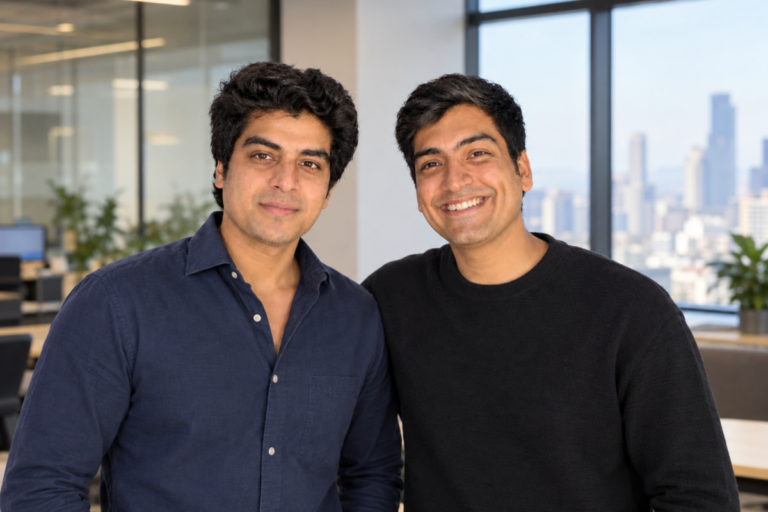
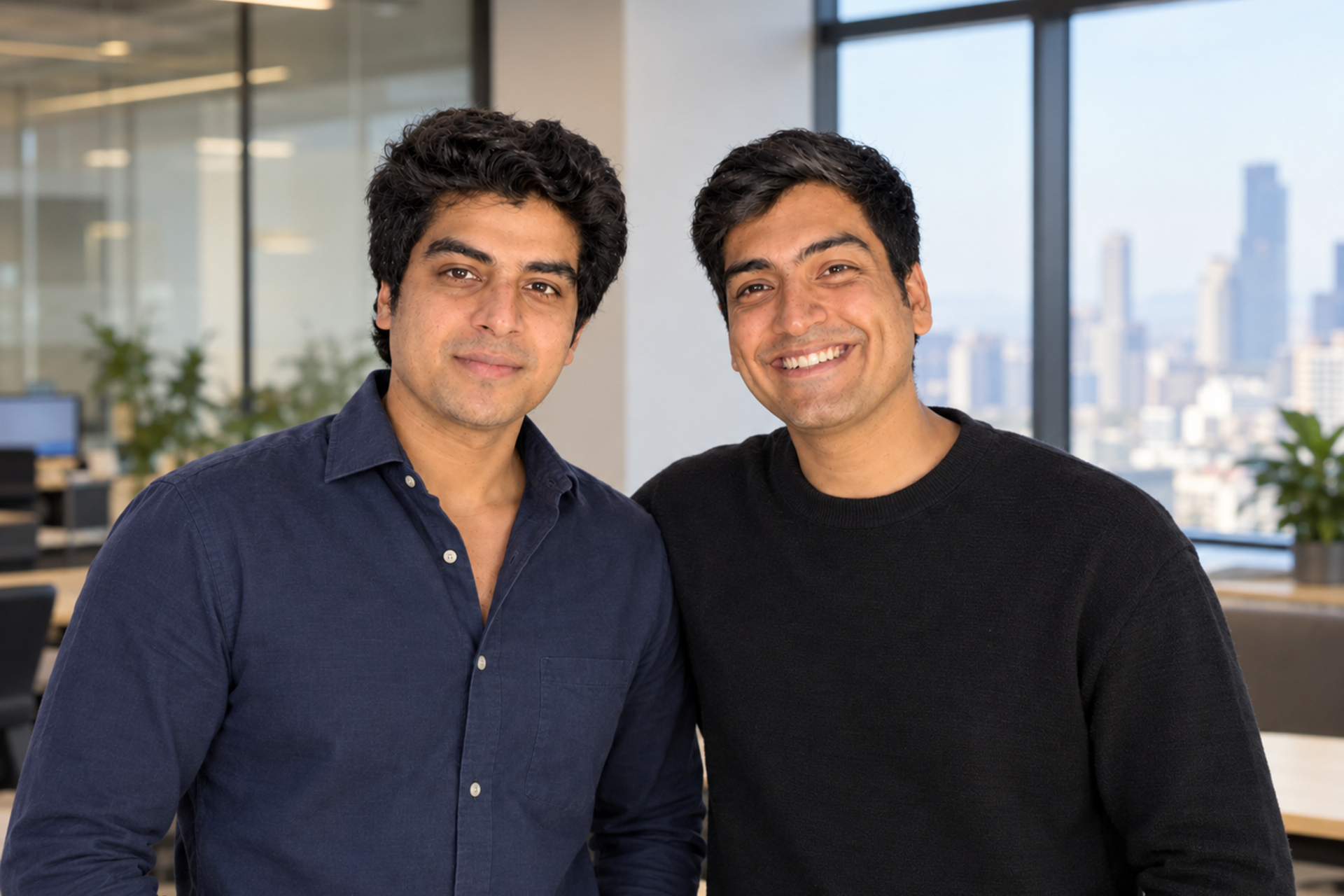
Simplismart was founded in 2022 by Amritanshu Jain and Devansh Ghatak, both alumni of BITS Pilani who met while studying there. Jain previously worked as an engineer at Oracle, while Ghatak comes from Google. The two founded Simplismart based on their experience building and deploying machine-learning systems at scale. The startup currently employs 58 people.
Investment and Growth Plans
Simplismart plans to deploy the new funding toward expanding its U.S. presence, growing its engineering team, and accelerating development of its inference optimization platform. Jain emphasized that the United States represents a key market for the company as it works to expand its existing customer base there.
Earlier reports in The Economic Times suggested Simplismart had been in discussions to raise between $40 million and $50 million at a valuation of $300 million to $400 million. When asked about this report, Jain declined to comment, indicating that the startup was not actively fundraising. He clarified that the Series B round had concluded and would not be extended.
Source: TechCrunch
Frequently Asked Questions
What exactly does Simplismart's software do?
Simplismart provides a software layer between AI models and GPU infrastructure that automatically optimizes how models run. It adjusts factors like response latency, request throughput, and power consumption to find the configuration that best matches each customer's specific business requirements rather than applying generic settings.
Why is Nvidia investing in a company that helps reduce GPU usage?
According to CEO Jain, making AI inference more efficient ultimately benefits Nvidia by making its hardware more attractive to customers and encouraging wider adoption of AI applications. Nvidia has also been collaborating with Simplismart on technical integrations involving its Dynamo inference software.
Who are Simplismart's customers and how fast is the company growing?
Customers include InVideo (which reduced GPU costs by 56 percent), HeyGen, Higgsfield, Ema, and Yotta. The company's annualized revenue run rate grew 14-fold over the past six months to an eight-figure sum, with more than half of revenue coming from the United States.
