
Key takeaways
- Sam Altman's proposal to use ChatGPT Work for generating family podcasts sparked Alex Hirsch's viral counter-question, "What if you just talked to your children?", which outpaced Altman's post by 13x in engagement.
- OpenAI is formally entering the family-focused market with new job postings and added safety features, while simultaneously defending against multiple lawsuits alleging ChatGPT contributed to loved ones' delusions and suicides.
- The backlash reflects broader skepticism about whether AI intermediaries improve family dynamics or erode direct human connection, raising questions about appropriate use cases for the technology.
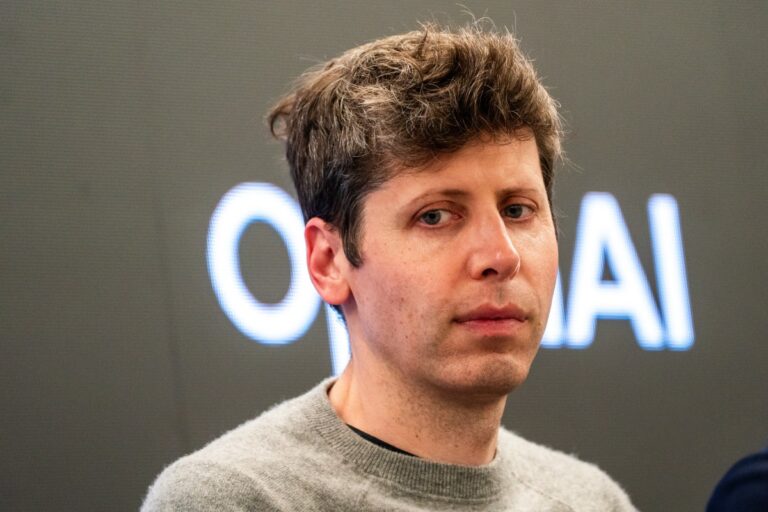
Sam Altman, OpenAI’s chief executive, spent Friday morning marketing what he described as an innovative approach to parenting. His proposal: feed ChatGPT Work the family calendars and details about each child’s interests, then let the AI generate a custom podcast each morning about the week’s events—soccer games, upcoming birthdays, relevant news—to play during the drive to school. The implication was clear: this technology could enhance family bonding and simplify the morning routine.
Within hours, the pitch collided with a much simpler alternative. Alex Hirsch, the creator of the animated series “Gravity Falls,” responded with a single question that would resonate far more widely than Altman’s vision: “What if you just talked to your children?”
A Response That Went Viral
The engagement numbers revealed where public sentiment lay. Altman’s initial post garnered approximately 300 reposts and 9,600 likes by Saturday morning. Hirsch’s response—just seven words—generated 9,000 reposts and 122,000 likes, nearly 13 times more engagement for the skeptical take. The stark difference underscored growing unease with Silicon Valley’s tendency to position AI as a substitute for human connection, particularly in contexts involving children.
This wasn’t presented as a criticism of the underlying technology so much as a philosophical objection to the framing. Hirsch’s comment reframed the entire conversation from efficiency to what something deeper: whether automation of family moments actually serves families or erodes their foundation.
The Broader Pattern of CEO Enthusiasm
Altman’s history with ChatGPT and parenting
This isn’t the first time Altman has been bullish on AI as a parenting tool. During an appearance on “The Tonight Show with Jimmy Fallon,” the OpenAI chief stated: “I cannot imagine having gone through figuring out how to raise a newborn without ChatGPT.” He did acknowledge the historical perspective, adding, “Clearly, people did it for a long time, no problem,” which tempered the claim without fully undoing it.
Microsoft’s parallel push
Altman’s vision reflects a wider pattern among technology leaders. Satya Nadella, CEO of Microsoft, previously disclosed that he’d eliminated podcasts from his morning commute, instead using an AI chatbot to discuss the content of those same shows while driving. The shift from passive consumption to AI-mediated conversation pitched itself as an enhancement, though it substituted human-created audio with algorithmically processed summaries.
Corporate product strategy
OpenAI is formalizing its push into family-focused applications. The company recently posted a job listing for a product manager specializing in building “trust-sensitive consumer experiences for parents and families.” The language reflects awareness that this market segment requires particular care—or at least particular messaging—around safety and responsibility.
Safety Features and the Family Market
To support this expansion, OpenAI has introduced safety features specifically designed for parents. The additions suggest the company recognizes that introducing children to AI systems, and positioning those systems as advisors or mediators in family decisions, carries distinct risks. However, the company has not detailed what these features consist of or how extensively they’ve been tested with actual families.
A statement from OpenAI noted that the company is “continuously improving how our models respond in sensitive interactions,” a framing that implies both ongoing recognition of shortcomings and a commitment to refinement. Yet the statement also carries implicit acknowledgment that the current state leaves room for improvement in situations involving vulnerable populations.
Legal Liability and Hidden Risks
Active lawsuits from families
The enthusiasm for parenting-focused AI features exists against a backdrop of legal action. Multiple lawsuits filed by parents and families allege that ChatGPT played a material role in loved ones’ delusions and suicides. These cases, still in early stages, represent a stark counter-narrative to the optimistic framing Altman and other executives have offered publicly.
The gap between messaging and accountability
The existence of these suits creates an unusual situation: a company simultaneously marketing AI as beneficial for family dynamics while defending itself against accusations that its AI has contributed to psychological harm. OpenAI’s generic statement about continuous improvement doesn’t address the specific allegations or describe what steps have been taken to prevent similar incidents.
The lawsuits suggest that for some users, particularly those already vulnerable, ChatGPT’s responses may have reinforced harmful thinking patterns rather than providing balanced support. The question of whether parental interaction or even direct parenting assistance is an appropriate use case becomes more complex when the technology carries documented risks.
The Tension Between Innovation and Responsibility
Altman’s Friday post crystallizes a fundamental tension in how technology companies approach new markets. The parenting space is substantial, emotionally significant, and historically skeptical of outsourced guidance. Positioning AI as a tool to enhance or streamline parenting appeals to time-pressed families and generates revenue through new product categories. At the same time, it invites scrutiny and skepticism—precisely the kind Hirsch’s response embodied.
The differential viral success of the skeptical take versus the promotional message suggests public intuition aligns more closely with caution. Hirsch’s response didn’t argue that ChatGPT technology is inherently flawed; it simply questioned whether replacing direct communication with an AI intermediary represents progress. That distinction matters. It’s not a rejection of AI capability but a challenge to its application in a context where the human alternative—talking to one’s children—remains available and arguably irreplaceable.
What This Signals About OpenAI’s Direction
The intensity of response to Altman’s proposal, and particularly to Hirsch’s counter-proposal, provides data about how consumers think OpenAI should position its product. The lawsuits provide legal and ethical data about what happens when AI systems interface with vulnerable users without adequate guardrails. Together, they frame OpenAI’s next moves in the family market.
Hiring for a product manager role focused on trust-sensitive family experiences suggests OpenAI recognizes it must approach this segment differently than it has approached general-purpose AI tools. Whether that recognition translates into genuinely different product architecture—rather than superficial safety language—remains to be seen. The gap between Altman’s optimistic vision and the public’s skeptical response, widened by lawsuits documenting real harms, creates pressure on that distinction.
Frequently Asked Questions
What specific use case did Sam Altman propose for ChatGPT Work with families?
Altman suggested connecting family calendars and children's interests to ChatGPT Work so the AI could generate a custom podcast each morning about upcoming events like soccer games, birthdays, and relevant news for the family to listen to during their drive to school.
How did Alex Hirsch's response compare in reach to Altman's original post?
Altman's post received approximately 300 reposts and 9,600 likes, while Hirsch's response garnered 9,000 reposts and 122,000 likes—roughly 13 times more engagement by Saturday morning.
What legal challenges is OpenAI facing related to families and ChatGPT?
Multiple lawsuits from parents and families allege that ChatGPT played a role in loved ones' delusions and suicides, though OpenAI states it is "continuously improving how our models respond in sensitive interactions."
