
Key takeaways
- The next-generation iPad Pro will feature Apple’s M6 chip, built on a 2-nanometer process and equipped with vapor chamber cooling technology to reduce thermal throttling during intensive workloads.
- The simultaneous refresh of iPad Pro and MacBook Pro reflects Apple’s strategy to create a unified, AI-centric computing experience across its professional-grade devices.
- Mark Gurman’s comprehensive roadmap reveals Apple’s ambitions extend far beyond traditional computing devices.
- Apple’s product roadmap reflects a fundamental shift in how the company approaches hardware design and functionality.
Apple plans to launch a redesigned iPad Pro with an M6 chip and a new OLED touchscreen MacBook Pro in early 2027, according to Bloomberg analyst Mark Gurman’s product roadmap. The tech giant is preparing approximately 20 new products across 2026 and 2027, marking what Gurman describes as Apple’s “biggest product year ever.” These releases signal Apple’s aggressive push into AI-powered devices and next-generation hardware across its entire ecosystem.
M6 iPad Pro and Touchscreen MacBook Pro Lead Spring 2027 Refresh
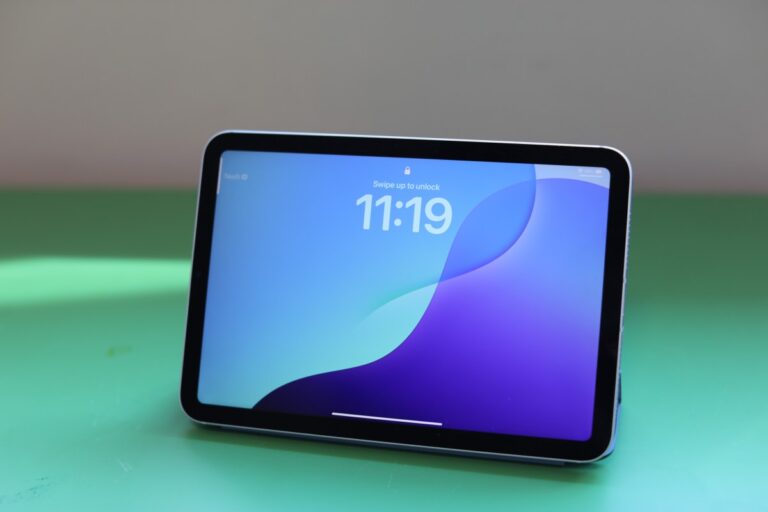
The next-generation iPad Pro will feature Apple’s M6 chip, built on a 2-nanometer process and equipped with vapor chamber cooling technology to reduce thermal throttling during intensive workloads. Expected to arrive in spring 2027, this update represents a significant performance leap from the current M5 generation and targets professionals working on AI and creative workflows. The vapor chamber cooling system addresses a key limitation in previous iPad Pro models, enabling sustained performance for demanding applications.
Apple’s redesigned MacBook Pro will introduce the company’s first touchscreen laptop, featuring an OLED display panel alongside a Dynamic Island—the Interactive notch that debuted on iPhones. The new models, identified as K114 and K116 variants, will ship with M6 Pro and M6 Max chips in a thinner chassis with a reinforced hinge. This redesign marks a watershed moment for Apple’s laptop line, finally delivering a feature consumers have requested for years while maintaining the company’s premium positioning in the portable computing market.
Strategic Implications for Apple’s Product Ecosystem
The simultaneous refresh of iPad Pro and MacBook Pro reflects Apple’s strategy to create a unified, AI-centric computing experience across its professional-grade devices. Both products will leverage the M6 chip’s enhanced processing capabilities to support on-device artificial intelligence features, aligning with Apple’s broader Intelligence initiative announced across its 2025 product cycle. This coordinated launch positions Apple to capture demand from creative professionals and knowledge workers seeking integrated AI tools within familiar hardware ecosystems.
Current pricing for the existing M5 lineup establishes the baseline for successor devices: the 11-inch iPad Pro starts at $999, the 13-inch model at $1,299, and the base 14-inch MacBook Pro at $1,599. Released in October 2025, these models feature OLED displays and Wi-Fi 7 connectivity, establishing technological foundations that the M6 generation will build upon. The pricing structure and feature set of these current models will likely inform M6 pricing strategies as Apple balances performance improvements against competitive market pressures.
Broader Product Blitz Extends Across iPhone, Wearables, and Smart Home
Mark Gurman’s comprehensive roadmap reveals Apple’s ambitions extend far beyond traditional computing devices. The company plans to introduce iPhone 18, iPhone 20 Pro, iPhone 20 Pro Max, and a foldable iPhone Ultra in 2027, with the iPhone 20 series marking the device’s 20th anniversary through a distinctive design featuring screen edges that curve around all four sides. This wraparound display design mirrors the Apple Watch aesthetic, creating visual continuity across Apple’s product portfolio.
Beyond iPhones, Apple is developing AI-powered AirPods with built-in cameras and its first-generation Apple Glasses, both expected in 2027. These devices will integrate next-generation Siri interactions powered by Apple Intelligence, directly competing with Google’s AI glass initiatives. Additionally, Apple is engineering a tabletop robot device with a swiveling robotic arm to serve as an AI-powered smart home hub, expanding the company’s presence in home automation and intelligent device ecosystems.
Apple’s Hardware Evolution in the AI Era
Apple’s product roadmap reflects a fundamental shift in how the company approaches hardware design and functionality. Where previous product cycles emphasized incremental improvements and form factor refinement, the 2027 lineup introduces transformative features—touchscreen laptops, wraparound phone displays, camera-equipped earbuds, and robotic home devices—that expand computing beyond traditional categories. The M6 chip generation, built on advanced 2-nanometer process technology, enables these innovations by delivering the processing power necessary for on-device AI while maintaining thermal efficiency.
The current M5 iPad Pro and MacBook Pro, released in October 2025, represent the technological foundation upon which Apple’s 2027 innovations will build. The OLED display technology already present in these models will carry forward into M6 devices, while the addition of vapor chamber cooling and OLED touchscreens demonstrates Apple’s commitment to thermal management and display innovation as competitive differentiators.
What Investors and Consumers Should Monitor
The spring 2027 launch window for iPad Pro and MacBook Pro updates marks the beginning of Apple’s major product blitz, with subsequent announcements likely extending through late 2027. Key dates to monitor include official product announcements, availability timelines, and pricing confirmation, which will signal Apple’s confidence in M6 performance and feature set valuations. Supply chain developments and component availability will also prove critical, particularly for the advanced OLED panels and vapor chamber cooling systems required by these devices.
Apple’s 2027 product roadmap represents an unprecedented concentration of innovation across hardware categories, from computing devices to wearables to home automation. Success in executing this ambitious agenda will determine whether Apple can maintain premium positioning and market leadership as AI-driven computing becomes the industry standard. The iPad Pro and MacBook Pro launches in spring 2027 will set the tone for the entire year’s product narrative and establish the technological baselines against which competitors must measure their own offerings.
