
Key takeaways
- The lawsuit spans 41 pages and details a “pattern of theft” involving secret project names, confidential presentations, Apple-issued laptops, and physical hardware components.
- OpenAI’s hardware push centers on its acquisition of design shop io Products last year in a deal valued at roughly $6.4 to $6.5 billion.
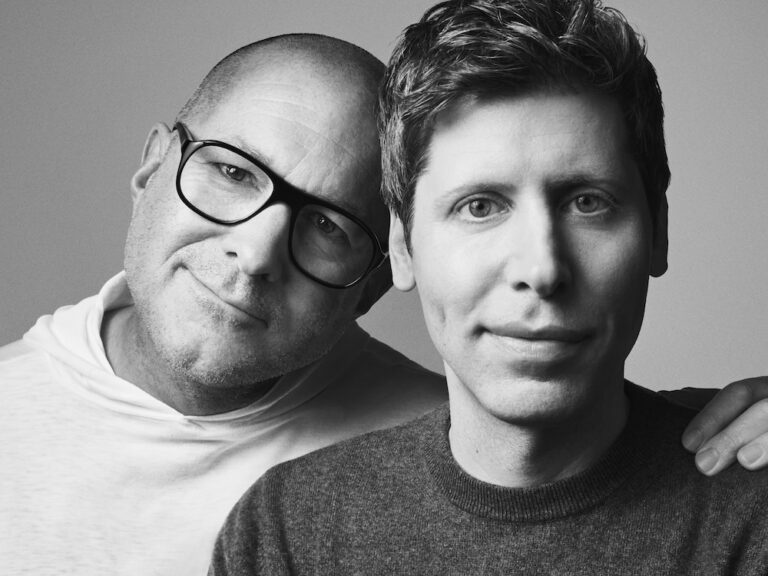
- OpenAI’s first consumer hardware device is being designed by renowned former Apple designer Jony Ive, priced at $200 to $300.
- OpenAI’s entry into consumer hardware represents a major strategic pivot for the artificial intelligence company, moving beyond software and services into physical devices that could reshape how users interact with AI.
Apple sued OpenAI in federal court in Northern California on July 10, 2026, alleging a “widespread, institutional scheme” to steal trade secrets, including unreleased parts, prototypes, and confidential designs meant to accelerate OpenAI’s consumer hardware development. The lawsuit names Tang Yew Tan, OpenAI’s Chief Hardware Officer, as a primary defendant alongside former Apple engineer Chang Liu, claiming the theft occurred “at every level” of the organization and was coordinated with business partners. Apple is seeking an injunction to stop OpenAI from using these secrets, which could legally freeze hardware development before a court ruling on guilt.
A 41-Page Complaint Details Systematic Theft Across Levels
The lawsuit spans 41 pages and details a “pattern of theft” involving secret project names, confidential presentations, Apple-issued laptops, and physical hardware components. Apple alleges the scheme included instructing candidates to bring physical parts to Interviews and exploiting authentication bugs to bypass security systems. The scope of alleged evidence suggests Apple is prepared for a prolonged discovery process that could halt production entirely.
Tan, who spent 24 years at Apple overseeing iPhone product design before joining OpenAI, is accused of encouraging departing employees to bring proprietary technology with them. Apple characterizes OpenAI’s hardware business as “rotten to its core” due to this reliance on stolen intellectual property. The complaint alleges the espionage aimed to manufacture 100 million units of OpenAI’s new devices, underscoring the scale of the alleged conspiracy.
The $6.4 Billion io Products Acquisition and Hardware Timeline at Risk
OpenAI’s hardware push centers on its acquisition of design shop io Products last year in a deal valued at roughly $6.4 to $6.5 billion. This acquisition was meant to accelerate creation of a “family” of screenless AI devices, including a smart “puck” and home speaker. Apple alleges OpenAI used stolen secrets to shortcut the billions of dollars and years of research and development normally required to build such a business from scratch.
Despite the lawsuit, an insider reported that OpenAI still believes it is on track to announce its first product in 2026 and release it in 2027. However, the timeline was already pushed from an earlier late-2026 expectation to February 2027 due to production challenges and a separate trademark dispute with Startup Iyo. The Apple lawsuit adds a new risk of further delays or a complete freeze if the court grants preliminary relief, potentially derailing the company’s carefully orchestrated product rollout.
Jony Ive’s Design and Legal Demands Signal Serious Stakes
OpenAI’s first consumer hardware device is being designed by renowned former Apple designer Jony Ive, priced at $200 to $300. The lawsuit alleges OpenAI recruited Ive and other key Apple engineers to “short-circuit” years of research and development. Apple is seeking monetary damages, injunctions, and a court order forcing OpenAI to return or destroy alleged proprietary materials and bar defendants from using or disclosing trade secrets.
Bloomberg Intelligence predicts Apple is likely to secure targeted preliminary relief tied to OpenAI’s device effort, which would require isolating disputed materials and certifying compliance, potentially slowing plans further. Mark Gurman at Bloomberg argues the lawsuit is causing damage “well before any court ruling,” with Bloomberg Intelligence stating OpenAI’s hardware business rests on the “shakiest of foundations.” Any preliminary court order would likely require OpenAI to isolate disputed materials, preserve evidence, and certify compliance—actions that could significantly slow or derail the hardware rollout.
OpenAI Denies Allegations as Company Faces Multiple Legal Fronts
In response to the lawsuit, OpenAI stated it is “not aware of any evidence that this complaint has merit.” The company has denied the allegations of corporate espionage but has not yet filed its full legal response, leaving the immediate impact on hardware plans uncertain. OpenAI’s official position stands in stark contrast to Apple’s detailed allegations and the scope of the complaint.
OpenAI is already navigating a separate legal battle with X Corp (Elon Musk), where a US judge ruled in November 2025 that Musk’s lawsuit accusing Apple and OpenAI of monopolizing markets must proceed. This adds to a mounting “sea of regulatory confusion” and legal woes for OpenAI, which also recently delayed the public launch of ChatGPT 5.6 due to US government cybersecurity concerns in June 2026. The timing of the Apple lawsuit compounds pressure on the company’s strategic initiatives.
The Hardware Ambitions Collide with Institutional Risk
OpenAI’s entry into consumer hardware represents a major strategic pivot for the artificial intelligence company, moving beyond software and services into physical devices that could reshape how users interact with AI. The io Products acquisition and Jony Ive partnership signaled serious commitment to competing with Apple’s ecosystem dominance. However, Apple’s allegations of systemic trade secret theft strike at the legitimacy of this entire effort.
The lawsuit alleges involvement at every organizational level, from technical teams to the Chief Hardware Officer, suggesting the alleged theft was not isolated misconduct but rather an institutional practice. This characterization raises questions about whether OpenAI’s hardware business can survive legal scrutiny even if the company ultimately prevails on the merits.
What Comes Next for OpenAI’s Hardware Roadmap
The next critical moment arrives when the court rules on Apple’s request for preliminary injunctive relief, which could freeze OpenAI’s hardware development before trial. OpenAI must file its full legal response, at which point the company will have the opportunity to present evidence refuting Apple’s allegations of systemic theft. The February 2027 product release date now faces significant uncertainty, with any court-ordered compliance measures potentially pushing the launch further back.
Investors and analysts are watching closely to see whether preliminary relief forces OpenAI to isolate disputed materials, effectively quarantining key personnel and design assets from the hardware project. The lawsuit’s outcome will determine not only OpenAI’s immediate hardware timeline but also the viability of its $6.4 billion io Products investment. With multiple legal battles mounting and government scrutiny intensifying, OpenAI’s hardware ambitions face a critical test that extends far beyond the courtroom.
