
Key takeaways
- Autonomous vehicle companies must establish dedicated emergency response phone lines staffed by remote operators who answer first-responder calls within 30 seconds, effective July 1, 2026.
- Waymo vehicles have been identified in multiple high-profile incidents where they blocked or interfered with first responders during emergencies.
- The Federal Motor Carrier Safety Administration rejected a petition from autonomous trucking companies seeking to replace traditional warning devices with cab-mounted beacons on self-driving trucks.
- Beyond the FMCSA action, the National Highway Traffic Safety Administration is actively reviewing exemption requests from autonomous vehicle manufacturers.
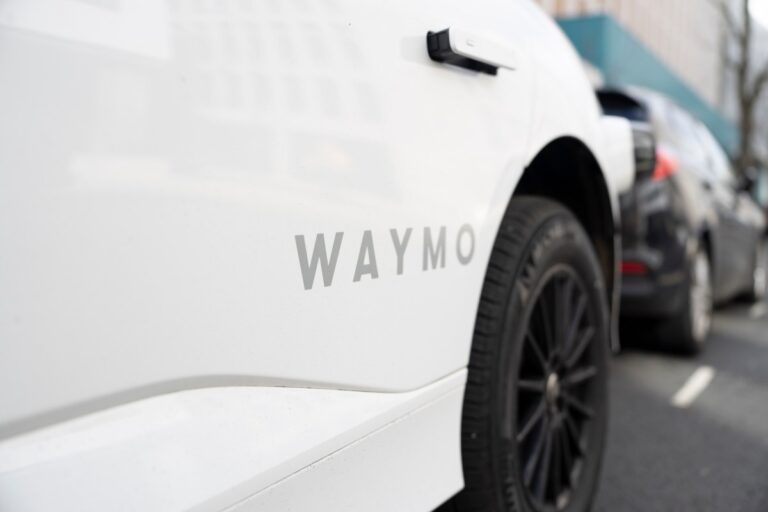
Federal regulators are imposing strict new requirements on autonomous vehicle companies to stop Interfering with first responders, mandating that AVs respond to emergency calls within 30 seconds starting July 2026. The crackdown follows a private meeting between emergency response leaders and federal regulators where firefighters, police, and EMTs expressed exasperation over Waymo vehicles stalling, freezing, and blocking access during critical incidents including a fatal mass shooting in Austin and emergency operations in Dallas. California has already enacted SB 1246, which imposes escalating civil penalties ranging from $1,000 to $30,000 for autonomous vehicles that obstruct emergency response.
30-Second Response Deadline Becomes Law
Autonomous vehicle companies must establish dedicated emergency response phone lines staffed by remote operators who answer first-responder calls within 30 seconds, effective July 1, 2026. This federal mandate emerged directly from concerns raised by emergency response leaders who reported spending critical time managing immobilized or stalled autonomous vehicles during time-sensitive operations. One fire official characterized the situation bluntly, calling Waymo vehicles “a safety concern for both our personnel and the victims.”
California’s SB 1246 codifies these requirements with specific financial consequences for non-compliance. The legislation imposes $1,000 civil penalties per drivable AV for obstruction lasting more than five minutes, escalating to $30,000 for obstruction exceeding 30 minutes, and $10,000 for any interference with emergency operations. The bill requires the dedicated emergency response phone line to launch July 1, 2026, with operators trained to resolve AV-related obstacles within the 30-second window.
Waymo’s Pattern of Emergency Response Interference
Waymo vehicles have been identified in multiple high-profile incidents where they blocked or interfered with first responders during emergencies. The company’s autonomous vehicles formed a pattern of obstruction during a fatal mass shooting in Austin and during a separate incident in Dallas, where emergency personnel reported spending valuable response time managing stranded or erratically-behaving Waymo vehicles. These incidents prompted emergency response officials across Texas to escalate their concerns to federal regulators and state lawmakers.
Notably, Waymo confirmed it will not attend a special public meeting convened to address autonomous vehicle safety concerns, despite official acknowledgment of reports that Waymo vehicles drive erratically, block traffic, and interfere with emergency response operations. The company’s absence from the safety discussion underscores the tension between the autonomous vehicle industry and first responders who bear the operational consequences of AV malfunctions during life-critical situations.
Federal Motor Carrier Safety Administration Rejects Autonomous Trucking Petition
The Federal Motor Carrier Safety Administration rejected a petition from autonomous trucking companies seeking to replace traditional warning devices with cab-mounted beacons on self-driving trucks. The Transport Workers Union argued in 2023 that approving the petition would “significantly diminish the safety of our roads,” and federal regulators sided with the union’s safety assessment. This decision represents a significant victory for first responders and labor organizations concerned about emergency response capabilities in autonomous vehicle environments.
The FMCSA’s rejection signals that federal regulators are taking a cautious approach to autonomous vehicle safety exemptions, particularly when those exemptions could compromise first responder capabilities or road safety visibility. The decision sets a precedent that autonomous vehicle companies cannot simply strip safety features from vehicles without demonstrating clear safety improvements to emergency response operations.
Regulatory Landscape Expands Across Multiple Agencies
Beyond the FMCSA action, the National Highway Traffic Safety Administration is actively reviewing exemption requests from autonomous vehicle manufacturers. On March 11, 2026, NHTSA published a request for public comment on exempting Zoox, Inc.’s “Zoox robotaxi” from safety requirements including windshield wipers and mirrors, with public comment closing April 10, 2026. Zoox seeks exemption from eight Federal Motor Vehicle Safety Standards, arguing these features are unnecessary for fully autonomous vehicles with no human drivers.
Meanwhile, both Waymo and Zoox have partnered with the Governors Highway Safety Association to provide training resources to law enforcement, EMS, and first responders. Waymo offers online resources on safely dealing with its vehicles, while Zoox created a Law Enforcement Interaction Plan, Emergency Response Guide, and online training video. These industry-initiated training programs attempt to mitigate emergency response challenges through education rather than technology fixes.
Aurora Technologies Develops Interaction Protocols
Aurora Technologies is developing first responder interaction protocols to ensure emergency crews understand how Aurora’s self-driving trucks operate and how they may respond during emergencies. The company emphasizes the need for clear communication between its autonomous trucks and emergency personnel to prevent interference during critical operations. Aurora’s proactive approach contrasts with Waymo’s decision to skip the public safety meeting, suggesting different strategic responses to regulatory pressure within the autonomous vehicle industry.
The divergent approaches among AV manufacturers indicate an industry grappling with how to address first responder concerns. Some companies are investing in training and communication protocols, while others appear to be maintaining distance from regulatory and public safety discussions. Federal regulators and state lawmakers are increasingly impatient with this variation, moving toward mandatory standards rather than voluntary industry cooperation.
Emergency Response Freezes Highlight Technology Gaps
Videos from Austin showing self-driving cars freezing during emergency calls sparked formal concerns from Austin first responders, adding visual evidence to anecdotal reports of AV malfunctions during high-stakes situations. These freezing incidents occurred as part of the broader pattern involving Waymo vehicles blocking emergency access, including during the Austin mass shooting. The frozen vehicle footage provided concrete demonstration that autonomous vehicle technology remains unreliable in emergency response contexts.
Legal observers at Witherite Law Group have raised formal concerns about Waymo Taxi blocking access to emergency scenes, highlighting a growing trend of autonomous vehicle interference in emergency response situations and calling for stricter accountability mechanisms. The combination of documented incidents, video evidence, and legal scrutiny has created sustained pressure on autonomous vehicle companies to demonstrate measurable improvements in emergency response compatibility.
Implementation Timeline and Industry Impact
The July 2026 deadline for the 30-second response requirement gives autonomous vehicle companies approximately six months to establish dedicated emergency response operations, hire and train remote operators, and integrate these systems with their existing fleet management platforms. This compressed timeline means companies must accelerate infrastructure development to avoid civil penalties under California law and federal compliance requirements. The $1,000 to $30,000 penalty structure creates meaningful financial incentives for compliance, particularly for companies operating large fleets in California and other states considering similar legislation.
Federal regulators, state lawmakers, and first responders have moved from expressing concerns to implementing enforceable requirements that will reshape how autonomous vehicle companies operate in urban environments. The combination of California’s civil penalties, federal response time mandates, and NHTSA’s cautious approach to safety exemptions signals a regulatory environment increasingly focused on emergency response compatibility. Autonomous vehicle companies that fail to meet these requirements face both financial penalties and operational restrictions that could limit their ability to expand service areas or fleet sizes in regulated jurisdictions.
