
Key takeaways
- The suspension followed a PG&E substation fire that knocked out power across one-third of San Francisco, disabling traffic lights citywide and creating gridlock across multiple neighborhoods.
- The incident has intensified regulatory scrutiny of autonomous vehicle operators’ preparedness for major emergencies.
- The operational pause has fueled skepticism among transportation analysts about whether autonomous vehicle operators have sufficiently stress-tested their systems against infrastructure failures common in major cities.
- The San Francisco service resumption occurs as Waymo aggressively expands its robotaxi operations across the United States.
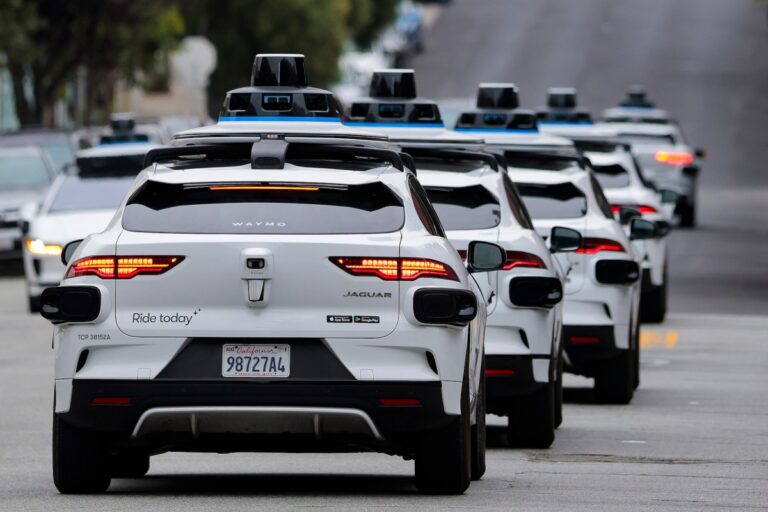
Waymo, the autonomous vehicle subsidiary of Alphabet Inc., resumed its driverless ride-hailing service in the San Francisco Bay Area on Sunday afternoon after a roughly 10-hour operational suspension triggered by a massive power outage that left approximately 130,000 residents without electricity. The pause, which lasted from Saturday at 8 p.m. to Sunday at 6 p.m., marked the first major test of the robotaxi operator’s crisis response protocols in a major metropolitan area.
A Coordinated Shutdown During Infrastructure Failure
The suspension followed a PG&E substation fire that knocked out power across one-third of San Francisco, disabling traffic lights citywide and creating gridlock across multiple neighborhoods. Waymo proactively halted service in coordination with city officials, recognizing that its autonomous fleet could not safely navigate Intersections without functioning traffic signals. A Waymo spokesperson stated at the time: “We have temporarily suspended our ride-hailing services in the San Francisco Bay Area due to the widespread power outage. Our teams are working diligently and in close coordination with city officials to monitor infrastructure stability, and we are hopeful to bring our services back online soon.”
The blackout exposed a specific technical vulnerability in Waymo’s operational software. When traffic lights went dark, the company’s vehicles treated intersections as four-way stops and sent an overload of “confirmation checks” to their systems, immobilizing thousands of vehicles simultaneously at once. Waymo announced a fleetwide software upgrade following the incident to enable vehicles to receive real-time power failure updates and navigate intersections with greater decisiveness during infrastructure emergencies.
Regulatory Scrutiny and Transparency Tensions
The incident has intensified regulatory scrutiny of autonomous vehicle operators’ preparedness for major emergencies. During an administrative rules proceeding held weeks after the December 20 outage, a judge scolded Waymo after the company refused to disclose how many robotaxis stalled during the power failure, citing the data as proprietary trade secrets. Attorney Jack Stoddard raised the claim before Judge Robert Mason, highlighting the tension between corporate confidentiality and public safety oversight in the emerging robotaxi industry.
Industry analysts and regulators have begun questioning whether driverless fleets can adequately respond to real-world crises without human safety drivers present. The San Francisco incident has sparked broader concerns about robotaxi readiness for major emergencies including earthquakes, floods, and extended power outages—scenarios that autonomous systems have limited experience managing at scale.
Broader Questions About Crisis Preparedness
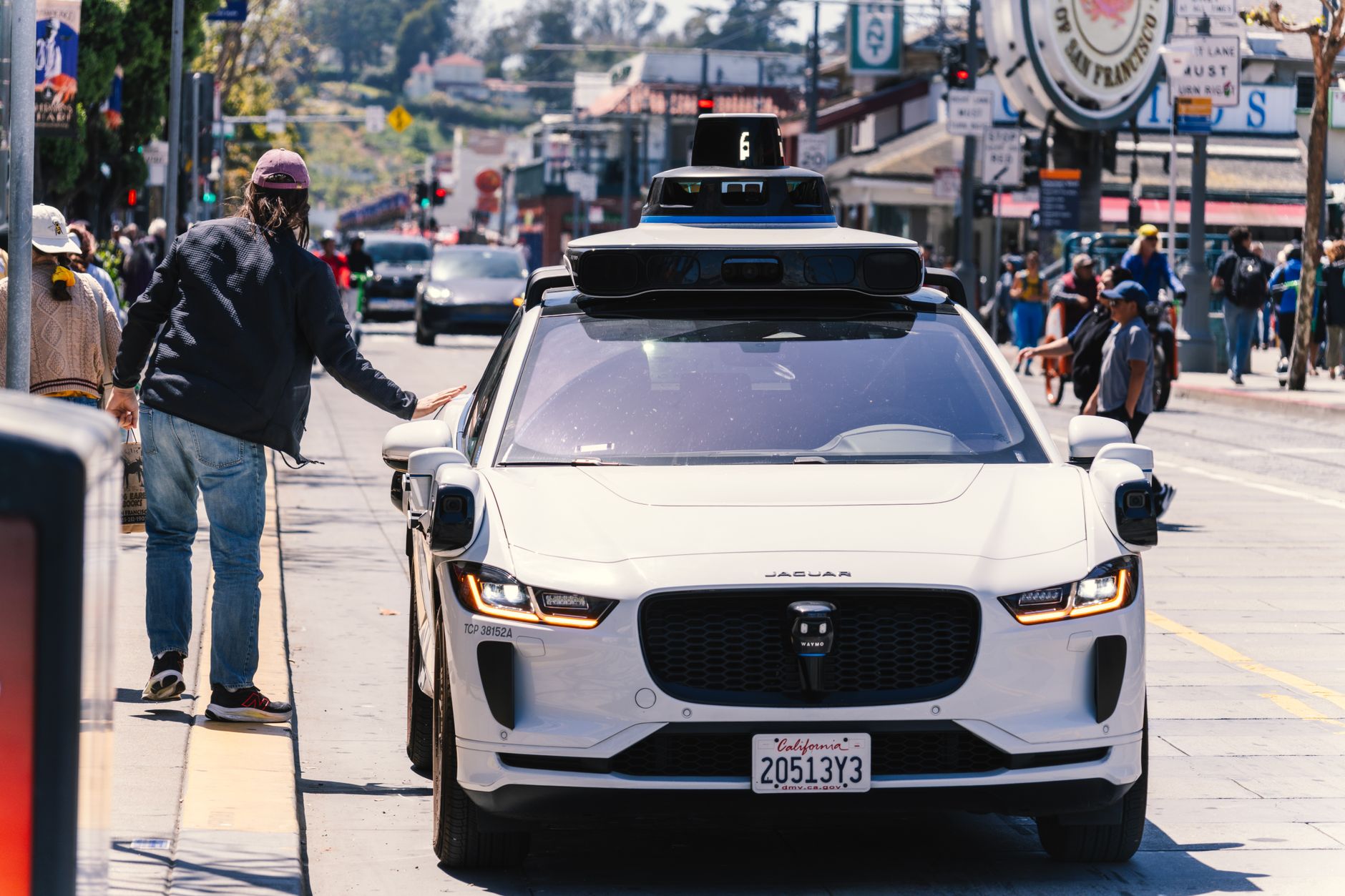
The operational pause has fueled skepticism among transportation analysts about whether autonomous vehicle operators have sufficiently stress-tested their systems against infrastructure failures common in major cities. The incident demonstrates that even companies with years of development experience face unexpected challenges when real-world conditions diverge from controlled testing environments.
Waymo’s response to the crisis—coordinating with city officials, proactively suspending service, and implementing software improvements—suggests the company takes emergency protocols seriously. However, the regulatory pushback over data transparency indicates that stakeholders expect more openness about how autonomous systems perform during failures, particularly as these services expand into densely populated urban centers.
Waymo’s Expanding National Footprint
The San Francisco service resumption occurs as Waymo aggressively expands its robotaxi operations across the United States. The company currently operates commercial driverless services in nine cities: San Francisco, Los Angeles, Phoenix, Austin, Houston, Dallas, San Antonio, Orlando, and Atlanta—though Atlanta operations were paused. Waymo has announced upcoming launches in San Diego, Las Vegas, Tampa, and Denver, positioning itself as the market leader in autonomous ride-hailing ahead of competitors including Tesla and Amazon-owned Zoox.
The company’s national expansion demonstrates investor confidence in autonomous vehicle technology and Waymo’s operational capabilities. However, the San Francisco outage underscores that rapid geographic expansion must be matched by equally rigorous emergency response protocols and system reliability across diverse infrastructure environments and climate conditions.
What Comes Next for Autonomous Vehicle Regulation
The incident will likely influence how regulators approach autonomous vehicle safety standards going forward, particularly regarding infrastructure interdependencies and emergency response procedures. Expect heightened scrutiny of robotaxi operators’ data disclosure practices and their technical capacity to handle scenarios beyond normal driving conditions.
Waymo’s ability to resume service quickly and implement software improvements positions the company to navigate increased regulatory oversight. However, the San Francisco power outage has established a precedent that autonomous vehicle operators must demonstrate preparedness for infrastructure failures as part of their operational licensing requirements, not merely as edge cases in development timelines. The coming months will reveal whether regulators demand standardized emergency protocols across all robotaxi operators operating in major U.S. cities.
