
Key takeaways
- Jio Platforms raised $3.2 billion in India's largest IPO and surged 21% on debut, valuing the company at $131.9 billion and making it India's second-most valuable listed company.
- The telecom giant serves over 540 million customers and has diversified into broadband, cloud services, and artificial intelligence beyond its core telecommunications business.
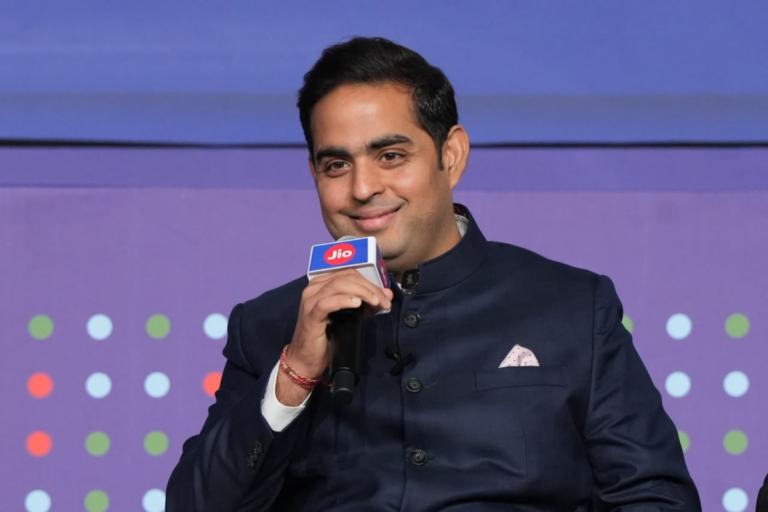
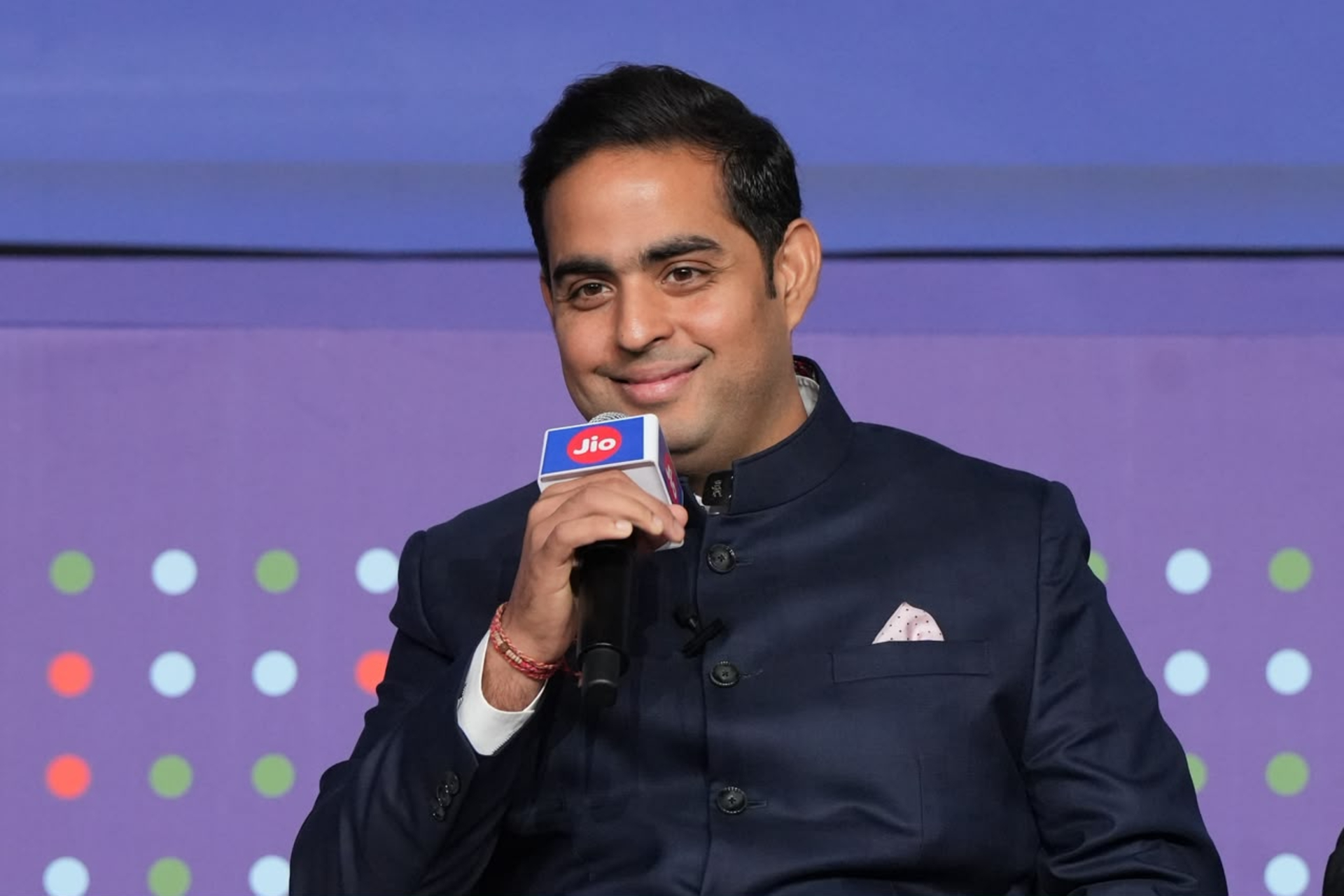
- Managing director Akash Ambani expressed ambitions for Jio to become a global technology company, signaling a succession plan at Reliance Industries as his father transfers operational control.
- Meta and Google invested $5.7 billion and $4.5 billion respectively in 2020 and retained their stakes through the IPO despite the opportunity to sell into exceptional demand.
Jio Platforms, the telecom and digital services division of Reliance Industries led by billionaire Mukesh Ambani, surged 21% in its stock market debut on Wednesday following the completion of India’s largest initial public offering on record. The IPO raised $3.2 billion and attracted investment bids exceeding $77 billion, demonstrating exceptional investor appetite for the company’s shares.
Shares opened at ₹1,358 per share (approximately $14), representing a substantial premium over the IPO price of ₹1,119 (around $12). This debut valuation places Jio at approximately ₹12.5 trillion or $131.9 billion, establishing it as India’s second-most valuable publicly listed company after its parent, Reliance Industries, which trades at approximately ₹16 trillion ($168.6 billion). The valuation reflects remarkable growth since 2020, when Meta and Google invested in the company at a valuation of approximately ₹4.91 trillion ($65 billion).
A Record-Breaking Market Debut
The IPO’s scale and subscription metrics set multiple records within India’s financial markets. The offering ran from October 21 to 22 and received bids totaling 22.19 times the shares available, according to exchange data. More than 13.8 million investors applied, establishing what regulators confirmed as India’s most subscribed initial public offering in history.
Unprecedented Investor Demand
The subscription multiple of 22.19 times represents exceptional confidence in Jio’s business model and growth prospects among Indian institutional and retail investors. This level of demand reflects not only the company’s current market position but also investor expectations for future expansion and profitability. The participation of 13.8 million applicants demonstrates how broadly Jio’s offering captured retail investor interest across India’s financial centers and regional markets.
Market Positioning
Jio’s debut valuation reflects its status as a telecommunications and technology infrastructure leader in India. The company’s second-place ranking by market capitalization, behind only its parent company, establishes Jio as a distinct business entity with investor recognition separate from Reliance’s broader portfolio of petrochemicals, refining, and retail operations.
From Market Disruptor to Industry Leader
Jio’s path to becoming India’s largest telecom operator began in 2016, when it entered a market characterized by entrenched competitors and high service costs. The company’s initial strategy relied on aggressive pricing and free or heavily subsidized data services, fundamentally disrupting the existing competitive landscape.
The Disruption Strategy and Market Conquest
Prior to Jio’s entry, India’s telecom sector was dominated by established operators including Bharti Airtel, Vodafone Idea, and the state-owned BSNL. Jio’s offer of free mobile data and substantially lower service costs enabled rapid customer acquisition from these incumbent providers. The strategy proved commercially effective, as Jio quickly scaled to become India’s largest telecom operator by customer count, serving more than 540 million customers according to managing director Akash Ambani.
Over time, Jio’s pricing has converged toward industry norms, but the company retained its customer base and market leadership position. This transition from a pure price disruptor to a mainstream carrier enabled profitability while maintaining scale.
Diversification Beyond Telecommunications
Jio has substantially expanded its business scope beyond voice and data services. The company now operates broadband networks, cloud computing infrastructure, and artificial intelligence services. This vertical expansion positions Jio within the broader technology industry rather than as a narrow telecommunications operator, creating multiple revenue streams and reducing dependency on mobile service margins.
Financial Performance and Profitability
Jio’s recent financial results demonstrate sustained growth and profit expansion, metrics that likely influenced investor demand for IPO shares. For the fiscal year ended March 2026, the company generated profit of ₹300.5 billion (approximately $3.2 billion) on revenue of ₹1.47 trillion (around $15.5 billion). Both metrics increased approximately 15% compared to the same period a year prior, indicating consistent operational improvement.
Recent Quarterly Growth
In the June quarter of fiscal 2026, Jio’s revenue grew nearly 12% and profit increased 9% on a year-over-year basis. This sustained growth trajectory in the months preceding the IPO provided quantitative evidence of business momentum to the investment market.
Capital Allocation From IPO Proceeds
Jio plans to use up to ₹275 billion (approximately $2.9 billion) from the IPO proceeds to repay debt at its telecom subsidiary, Reliance Jio Infocomm. The remaining capital will support general corporate purposes, including ongoing operations and strategic initiatives. This debt reduction approach is significant given the company’s total borrowings of ₹613.7 billion (around $6.5 billion) as of June 30.
Akash Ambani and the Next Generation of Leadership
The IPO represents a transition in Reliance Industries’ leadership structure, with Akash Ambani, Mukesh Ambani’s eldest son, serving as managing director of Jio Platforms. His central role in the company’s IPO and strategic positioning signals a broader succession plan whereby Mukesh Ambani gradually transfers operational responsibility to the next generation of family leadership.
Global Technology Ambitions
At Wednesday’s listing ceremony, Akash Ambani articulated a vision extending beyond India’s domestic market. He stated, “My dream is that one day, when the world counts its great technology companies, one of them will be from India, and that company will be called Jio Platforms Limited.” This declaration indicates strategic intent to compete globally rather than remain focused exclusively on India’s market.
This ambition shapes how Jio may allocate capital and direct its technology investments in broadband, cloud, and artificial intelligence services. Global expansion requires infrastructure investment and technology development that differs substantially from domestic telecom operations.
Strategic Investors and Ongoing Backing
Meta and Google’s 2020 investments established both companies as significant minority stakeholders in Jio Platforms. In that round of funding, Meta (then operating as Facebook) invested $5.7 billion while Google committed $4.5 billion. These investments occurred during the global COVID-19 pandemic and reflected confidence in India’s digital economy and Jio’s market position.
Investor Participation in the IPO
General Atlantic, Silver Lake, and Vista Equity Partners were among institutional investors participating in Jio’s 2020 funding round. Notably, none of these existing investors sold shares during the IPO process. The offering comprised entirely newly issued shares, meaning all investors from 2020 retained their stakes despite the opportunity to liquidate positions in a highly subscribed offering.
This continued investor participation signals confidence in Jio’s strategic direction and leadership transition under Akash Ambani, as well as the opportunity cost of exiting a company positioned at the intersection of telecommunications and technology infrastructure in a growing market.
Source: TechCrunch
Frequently Asked Questions
How much did Jio Platforms raise in its IPO?
Jio raised $3.2 billion in India's largest IPO on record. The offering attracted investor bids exceeding $77 billion, with more than 13.8 million applicants. Shares surged 21% on debut, opening at ₹1,358 (approximately $14) compared to the IPO price of ₹1,119 (around $12).
How many customers does Jio serve?
According to managing director Akash Ambani, Jio serves more than 540 million customers. The company became India's largest telecom operator after entering the market in 2016 with aggressive pricing and free data offerings.
What are Jio's recent financial results?
For the fiscal year ended March 2026, Jio generated profit of ₹300.5 billion (approximately $3.2 billion) on revenue of ₹1.47 trillion (around $15.5 billion), both up approximately 15% year-over-year. In the June quarter, revenue grew nearly 12% and profit increased 9%.
