
Key takeaways
- Joby Aviation's 3,100-mile autonomous flight across the United States demonstrates the company is expanding beyond electric air taxis into military and autonomous logistics applications.
- The company acquired Resonant Sciences for $500 million in August to build dedicated defense capabilities, and holds a $17 million Air Force contract for a regional airframe equipped with autonomy technology.
- Partnerships with L3Harris Technologies and deployment of a gas-turbine hybrid autonomous aircraft for military missions indicate Joby is pursuing faster commercialization paths than the uncertain eVTOL passenger market.
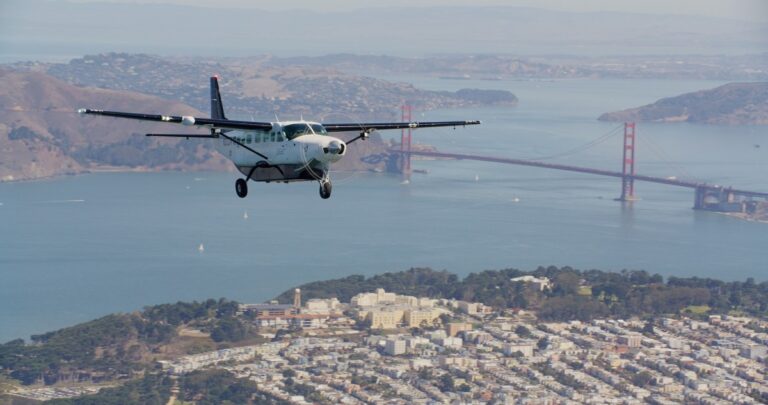
Joby Aviation reported that an aircraft equipped with its autonomy technology completed a 3,100-mile journey across the United States without human pilot control on Friday. The company described this as the “first-ever autonomous flight across the United States.”
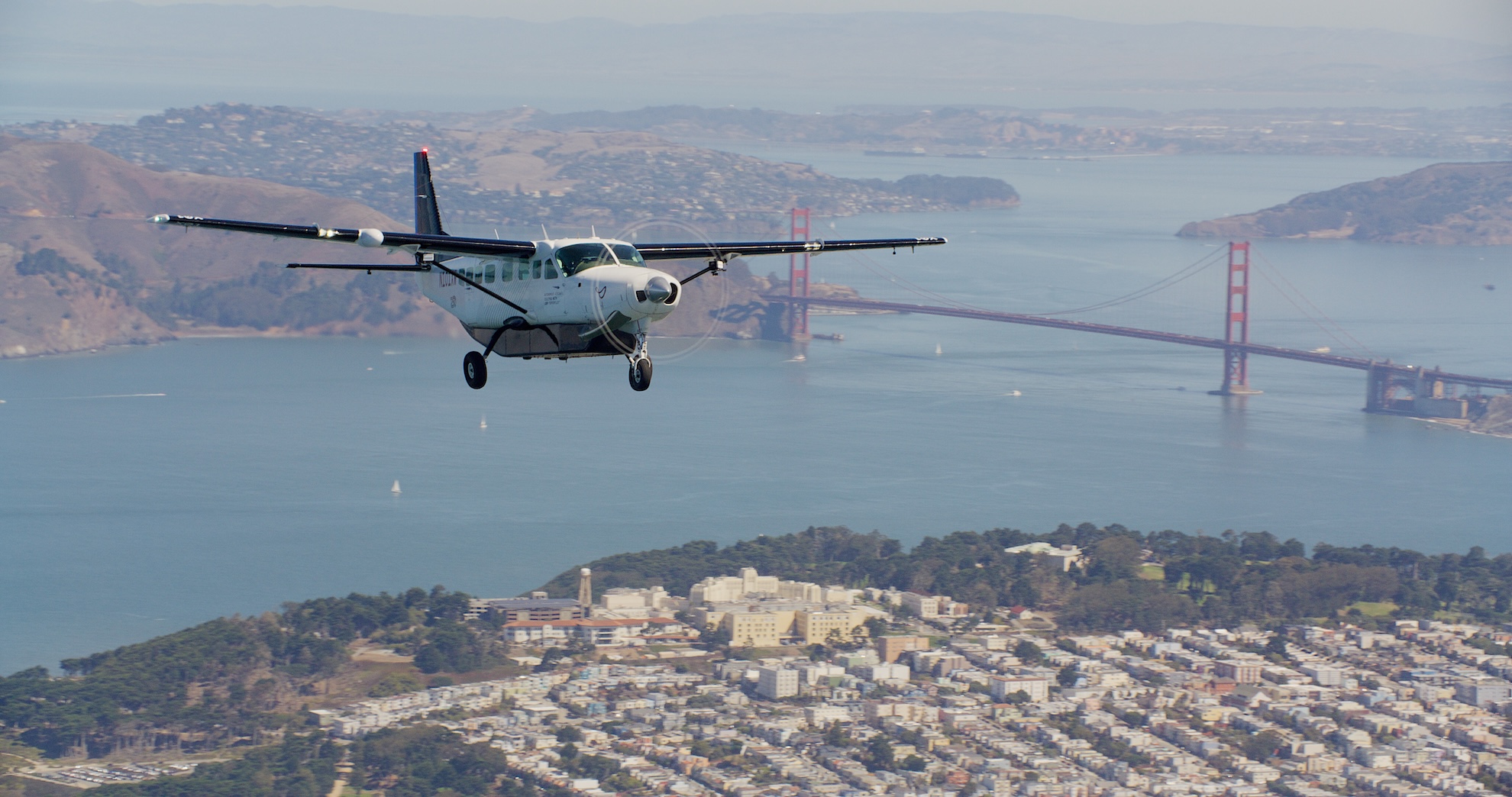
The demonstration involved the entire operational envelope: autonomous taxiing at departure, independent takeoff, en-route navigation, and fully autonomous landing. A pilot remained aboard throughout the journey to satisfy Federal Aviation Administration compliance requirements, but Joby stated this crew member took no control inputs. Remote supervision occurred from two command centers: Joby’s California headquarters and Shaw Air Force Base in South Carolina. The Cessna Caravan, converted for the demonstration, will continue westward with scheduled stops in Louisville, Kentucky, and Salt Lake City before returning to the West Coast over the next two weeks.
A Different Business Beyond Urban Taxis
Joby remains best known for developing electric vertical takeoff and landing aircraft intended for passenger service in urban markets. The company has pursued Federal Aviation Administration type certification for its all-electric eVTOL platform for years, targeting short-hop routes carrying passengers between cities. That program continues.
The cross-country autonomous flight, however, signals that Joby no longer views autonomy as subordinate to the eVTOL taxi vision. Instead, the autonomy stack has become a standalone business opportunity. The technology is designed to retrofit onto conventional aircraft—jet-powered or propeller-driven machines with existing certifications and known operational characteristics.
This retrofit strategy opens markets the eVTOL passenger service could never reach. Medical transport to rural hospitals, disaster response missions delivering supplies to affected regions, cargo operations for e-commerce logistics, and defense missions all represent potential applications. Joby plans to introduce a regional airframe equipped with the autonomy stack as its next commercial product. Such a platform would offer longer range and higher payload capacity than an eVTOL taxi, positioning it for both commercial freight operators and military customers seeking autonomous transport capability.
The Strategic Defense Turn
Acquiring Sensor Systems
Joby has maintained a longstanding relationship with the United States Department of Defense, but recent moves indicate a deliberate escalation of that engagement. In August, the company acquired Resonant Sciences for $500 million in cash and stock. Resonant Sciences, an Ohio-based firm, manufactures radio frequency and sensor systems—the specialized hardware that military and aerospace applications demand.
The acquisition created a dedicated defense business division within Joby consolidating multiple projects: turbine-electric aircraft development, hydrogen-electric platforms, and the autonomy technology stack. The move accomplishes several objectives simultaneously. First, it brings established defense manufacturing expertise and supply-chain relationships into the organization. Resonant Sciences already operates within defense procurement ecosystems with existing certifications. Second, it provides the specialized sensor and radio frequency capabilities essential for autonomous military aircraft. Third, it demonstrates to defense customers that Joby has committed capital and organizational resources to the sector long-term.
Partnerships With Defense Contractors
Last year, Joby signed an agreement with defense contractor L3Harris Technologies to explore development of a gas-turbine hybrid vertical takeoff and landing aircraft capable of autonomous flight for military applications. The partnership pairs Joby’s autonomy expertise with L3Harris’s extensive defense experience and manufacturing infrastructure. Hybrid-electric propulsion using gas turbines allows longer range and higher payloads than pure battery systems—critical for military missions requiring sustained operations or heavy cargo delivery.
The Technical Foundations
The cross-country flight demonstrates capability across several technical domains relevant to military deployment. Remote supervision from multiple locations—California and a South Carolina Air Force base—shows the autonomy system can operate under geographically distributed command. The aircraft performed autonomous taxiing, a function requiring precise low-speed control in confined airport spaces. Navigation across 3,100 miles tests the system’s ability to maintain course accuracy over extended distances. Autonomous landing represents the highest-risk phase of flight, placing demands on sensor integration and decision-making algorithms that persist without human intervention. Each capability matters for defense customers evaluating whether autonomous platforms can handle the operational complexity of military missions.
Financial Support and Validation
The U.S. Air Force committed backing through its AFWERX innovation program, providing a $17 million contract supporting development of the regional airframe equipped with Joby’s autonomy stack. Government contracts serve multiple purposes beyond capital provision. They signal technical validation—a military branch would not fund development of systems it believed unfeasible. They de-risk investment by spreading development costs across public and private sources. And they create customer commitment: the Air Force’s willingness to fund continued development implies the service views the platform as operationally valuable.
The autonomous flight serves as market evidence. Potential customers—whether commercial operators or military branches—require proof that autonomous systems function reliably across varied conditions, geographies, and operational scenarios. A 3,100-mile journey without pilot intervention across different regions and weather patterns provides that evidence more credibly than simulations or controlled test flights over familiar terrain.
The Business Case for Diversification
The autonomy and defense strategy offers revenue diversification Joby needs for long-term viability. The eVTOL urban air taxi market remains unproven in timeline and regulatory pathway. No operator currently flies paying passengers in commercial eVTOL services. Regulatory uncertainty persists around noise, safety certification, and airspace integration for vertical takeoff machines in metropolitan areas.
Licensed autonomy technology and specialized military platforms offer faster commercialization paths. Defense customers typically accept longer development cycles but commit capital earlier than consumer markets. Defense budgets, while subject to annual appropriations, provide more predictable revenue streams than consumer services dependent on multiple regulatory approvals and mass-market adoption. A military contract to retrofit existing aircraft with autonomy systems could generate revenue years before Joby’s eVTOL service carries its first passenger.
Execution Challenges
Joby must now execute simultaneously on multiple fronts: advancing the eVTOL passenger program toward type certification, developing the regional autonomy airframe, and delivering specialized defense platforms. Integrating newly acquired Resonant Sciences capabilities—its manufacturing operations, supply relationships, and personnel—adds organizational complexity. Each initiative alone would strain most aerospace companies. Joby must navigate overlapping certification requirements across commercial and military regulators while maintaining operational focus on three distinct product lines and two separate business models.
The 3,100-mile autonomous flight demonstrates technical capability. Whether Joby can convert that achievement into operational revenue across defense, commercial freight, and eventually passenger service depends on execution across engineering, manufacturing, and customer development simultaneously.
Frequently Asked Questions
Did a human pilot control the aircraft during the 3,100-mile flight?
No. A pilot remained on board for Federal Aviation Administration compliance, but the aircraft performed all autonomous taxiing, takeoff, navigation, and landing without pilot control inputs. Remote supervision came from Joby's California headquarters and Shaw Air Force Base in South Carolina.
Why did Joby acquire Resonant Sciences for $500 million?
Resonant Sciences manufactures radio frequency and sensor systems essential for military applications. The acquisition created a dedicated defense business division within Joby and provided specialized hardware capabilities needed for autonomous military aircraft, while also bringing established defense manufacturing expertise into the organization.
What is Joby's timeline for the next phase?
The cross-country flight continues with stops in Louisville, Kentucky, and Salt Lake City over the next two weeks before returning to the West Coast. The company plans to develop a regional airframe equipped with the autonomy stack as its next commercial product, supported by a $17 million Air Force contract through AFWERX.
