
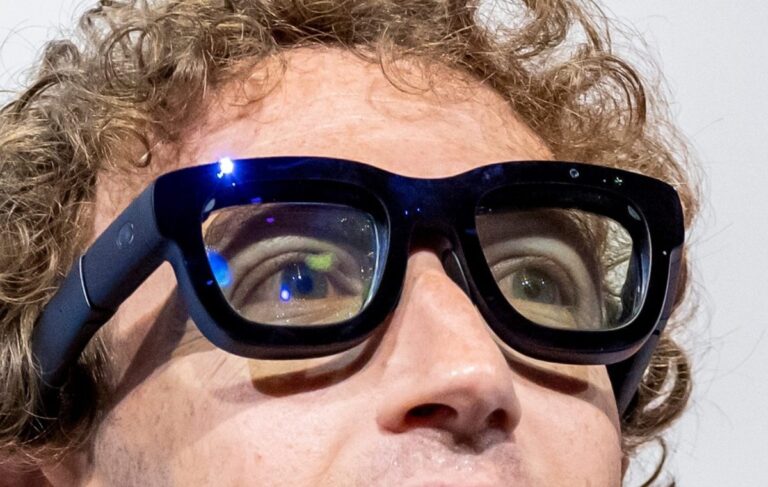
Key takeaways
- Meta is developing Luna, camera-free smart glasses equipped with six microphones and a side button, to address privacy concerns that have plagued its camera-equipped Ray-Ban frames.
- Luna enables hands-free voice interaction with Meta's AI chatbot and Muse agent but sacrifices augmented reality features and visual AI capabilities.
- Meta's shift to camera-free design signals that privacy concerns—not technical limitations—may be the primary constraint on mainstream adoption of smart glasses.
Meta Opts for Camera-Free Smart Glasses Amid Privacy Outcry
Meta’s Ray-Ban smart glasses have captured leading market share in wearable eyewear, but the integrated camera has become a focal point for consumer criticism. Privacy advocates and ordinary users alike express discomfort with devices that enable video recording without visible signals to bystanders. The backlash has intensified, with critics applying the derisive label “pervert glasses” to characterize the devices as surveillance instruments incompatible with social norms around consent. Responding to the pressure, Meta is developing Luna, a forthcoming smart glasses model that eliminates the camera entirely.
The Information reports that Luna will rely exclusively on audio interaction. The design choice reflects Meta’s assessment that camera-equipped wearables face fundamental obstacles in reaching mainstream adoption.
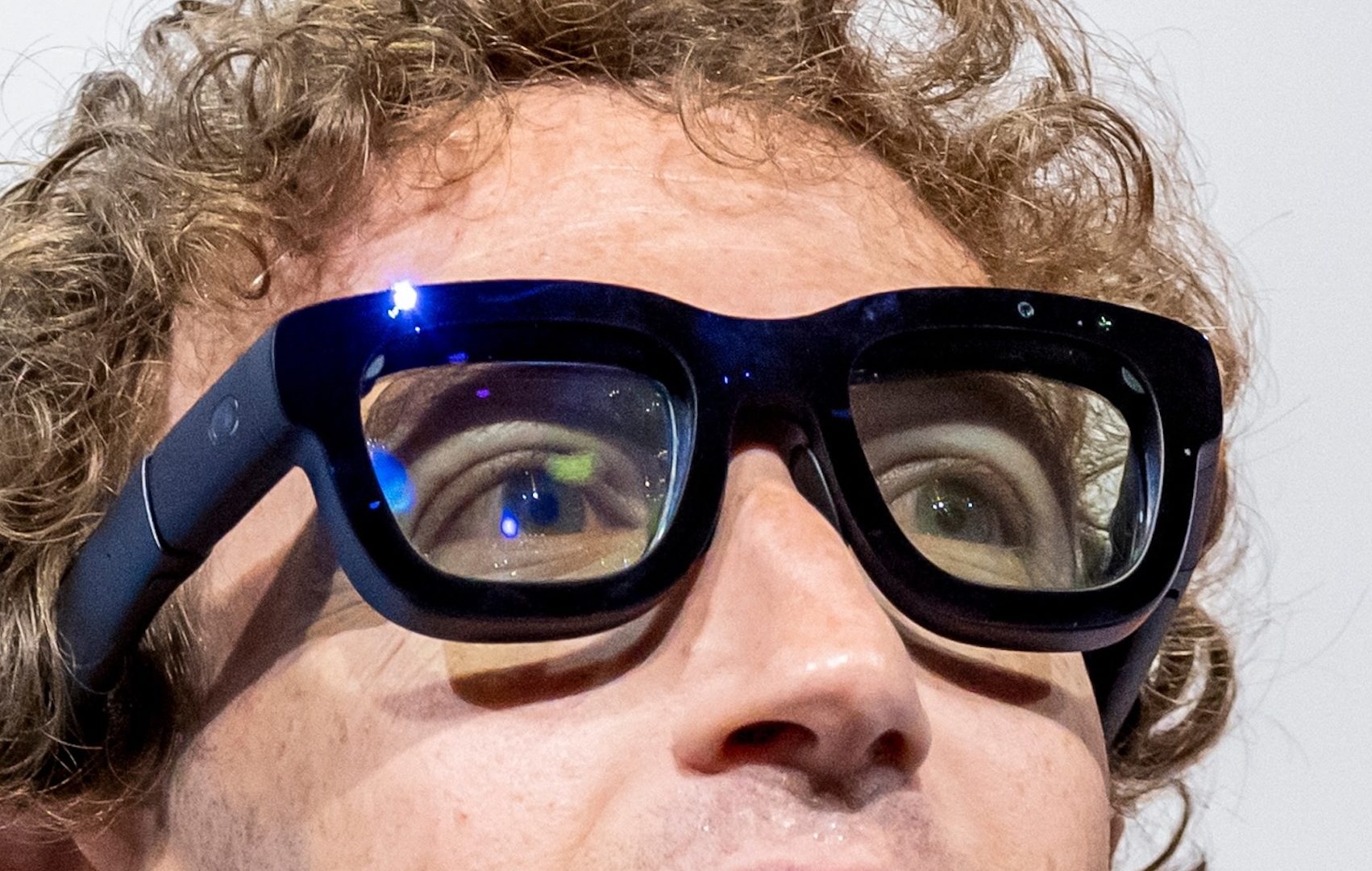
Luna: Designed for Voice, Built Around AI Assistance
Technical Specifications
Luna incorporates six built-in microphones distributed throughout the frame, enabling voice capture from multiple directions. A button positioned on the side of the glasses activates the device, initiating voice interaction without requiring hand operation or a separate handheld device.
AI Integration and Capabilities
The glasses connect to Meta’s AI chatbot and Muse, the company’s consumer-facing AI agent. This configuration enables hands-free access to generative AI services through voice commands alone.
Market Debut
Meta plans to unveil Luna at Meta Connect, scheduled for next week in Menlo Park. The company’s annual hardware and developer conference will offer the first public indication of whether Luna is positioned as a specialty product or as a fundamental pivot in the company’s wearables strategy.
The elimination of the camera removes several technical capabilities. Augmented reality features, visual AI analysis, and video documentation are no longer possible. The design prioritizes social acceptance—removing the primary flashpoint for privacy objections—at the expense of technical breadth.
Smart Glasses Market Remains Stuck Below Critical Mass
The smart glasses category has expanded considerably over recent years, with Meta commanding a leadership position. Despite this growth, mainstream adoption has stalled. Consumers remain unconvinced about practical applications for smart glasses in everyday life. Premium pricing limits the addressable market. Privacy concerns have emerged as a veto issue for many potential buyers.
Meta’s Reality Labs division, which oversees smart glasses development, continues to post substantial losses. The April earnings report confirmed the ongoing cash burn. No public timeline exists for when the division might achieve profitability.
A Calculated Trade-Off: Removing Cameras to Enable Scale
The shift to camera-free design reflects Meta’s judgment that the wearables market cannot absorb camera-equipped frames at scale under current conditions. Regulatory uncertainty around recording consent, social anxiety about corporate surveillance, and consumer wariness around data collection create powerful headwinds for any camera-first device.
Luna sidesteps these objections by eliminating the recording hardware. The trade-off is significant: the device cannot deliver augmented reality features, cannot analyze visual information, cannot capture video. For privacy-conscious consumers, however, Luna may represent an acceptable compromise between functionality and data protection.
Broader Implications for Hardware Strategy
Luna tests whether audio-first interaction can substitute for visual features in wearable computing. If successful, the device could reshape industry assumptions about smart glasses design. Competitors may reassess their own camera-first roadmaps. If Luna underperforms, the lesson might be different: perhaps consumers lack sufficient use cases for any smart glasses design, regardless of privacy protections.
Frequently Asked Questions
What is Luna and when will Meta release it?
Luna is a new smart glasses model without a camera that Meta may unveil at Meta Connect next week in Menlo Park. It features six built-in microphones and a side button to activate voice interaction with Meta's AI chatbot and Muse agent.
Why is Meta removing the camera from its smart glasses?
Meta has faced significant criticism over privacy concerns related to its camera-equipped Ray-Ban glasses, with critics calling them "pervert glasses." Luna eliminates the camera to address these objections and remove the primary barrier to mainstream adoption.
What are the trade-offs of removing the camera from Luna?
While Luna removes the primary source of privacy concerns, it sacrifices augmented reality features, visual AI analysis, and video documentation capabilities that camera-equipped smart glasses offer.
