
Key takeaways
- Oura sued Ultrahuman on Thursday over two patents, including one issued just two days prior, threatening the startup's U.S. market comeback following a previous import ban.
- Ultrahuman CEO Mohit Kumar said the company would defend against the claims vigorously and that the Ring Pro remains available to U.S. customers.
- Oura has pursued patent infringement cases against multiple smart ring makers, with RingConn and Circular agreeing to pay royalties to settle their disputes.
- Global smart ring shipments are forecast to grow 12.8% this year to 4.9 million units, with annual growth expected to continue through 2030.
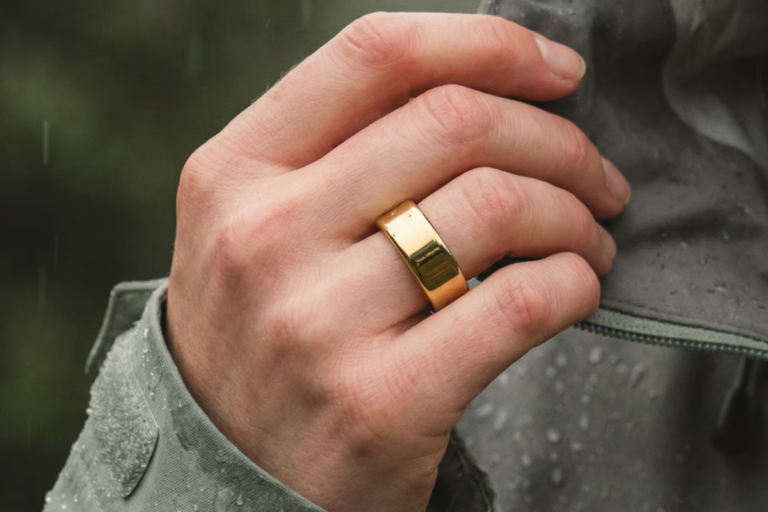
Oura, the market leader in smart rings, has filed a new patent infringement lawsuit against Ultrahuman, its Indian rival, seeking to block U.S. sales of the redesigned Ring Pro. The complaint was filed Thursday in federal court in Texas and threatens to derail Ultrahuman’s recent comeback in the American market.
Patents at the Center of the Dispute
The lawsuit centers on two patents. One, D804,471, covers the ring’s design. The other, 12,769,363, issued to Oura on October 20, just two days before the lawsuit was filed. This patent covers the internal architecture of a smart ring, specifically a curved battery, circuit board, magnets, and sensors that Oura alleges Ultrahuman has copied.
Oura argues that while Ultrahuman’s Ring Pro received clearance from U.S. Customs and Border Protection in March, that ruling addressed only the patent involved in the earlier import ban on the Ring Air. The two patents cited in this new lawsuit were never part of that clearance. “To protect its patent rights, Oura is now forced to file this complaint of patent infringement,” the company said in its filing.
Ultrahuman’s Redesigned Ring and the Ban That Preceded It
The Ring Pro’s February Launch and CBP Approval
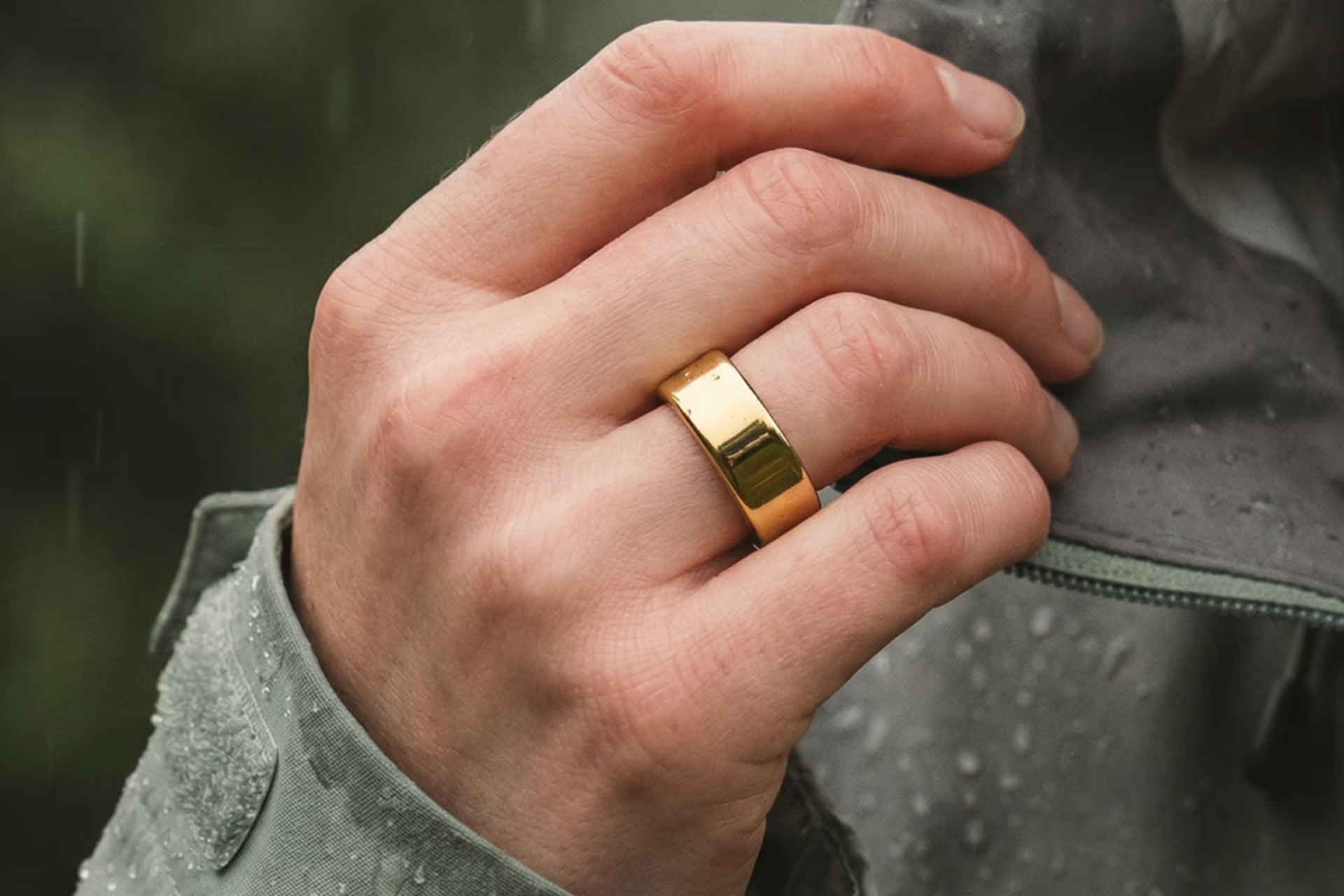
Ultrahuman redesigned its smart ring and launched the Ring Pro in February. The redesign prompted a favorable ruling from U.S. Customs and Border Protection in March, clearing the path for the startup’s return to the U.S. market. This ruling came as a significant victory for Ultrahuman after an import ban on its previous Ring Air model took effect following an International Trade Commission decision in August 2024.
Manufacturing Under Scrutiny
SVTronics, a Texas-based electronics manufacturer, has been named as a defendant in Oura’s lawsuit. According to the complaint, SVTronics manufactures the Ring Pro at a facility in Plano, Texas, under Ultrahuman’s direction and control. Oura alleges that both companies infringe its patents through the manufacture, importation, and sale of the device in the United States.
A Dispute Spanning Years and Jurisdictions
The patent battle between Oura and Ultrahuman began in 2023 when Oura first sued the Indian startup over the Ring Air. That case escalated when Oura brought a separate dispute before the International Trade Commission in 2024, resulting in the import ban that took effect last year. The current lawsuit represents another escalation in what has become a prolonged legal confrontation.
Ultrahuman CEO Mohit Kumar responded to the new allegations by noting that Oura “has now chosen to assert different patents, including one that issued just two days before this lawsuit was filed.” He told TechCrunch that the startup would “address these claims through the appropriate legal process and will defend our position vigorously,” emphasizing that “there is no court order affecting Ring Pro, and it remains available to customers in the U.S.”
Oura’s Broader Patent Enforcement Strategy
Multiple Competitors Facing Infringement Claims
Ultrahuman is far from Oura’s only legal target. The company has pursued patent infringement claims against smart-ring makers including Samsung, RingConn, Circular, and Zepp Health. Some disputes have ended in resolution: both RingConn and Circular agreed to pay royalties to Oura in order to continue selling their products in the U.S.
An Aggressive Approach to IP Protection
Oura’s strategy of systematically enforcing its patents across multiple competitors reflects its commitment to defending its technology and market position. A company spokesperson said that Ultrahuman has “a history of copying Oura’s innovations” and that while the redesigned Ring Pro represents a design change, it “failed to address continued infringement of Oura’s patents.”
A Fast-Growing Market Amid Legal Battles
The smart-ring category is expanding significantly. Research firm IDC forecasts that global shipments will rise 12.8 percent this year to 4.9 million units, with projections reaching approximately 6.3 million units by 2030. Although Oura remains the category leader, an increasing number of competitors are entering the space.
Ultrahuman has demonstrated staying power despite the legal pressure. In September, the startup raised $70 million in funding from investors including Qualcomm Ventures and Labcorp, valuing the company at approximately $365 million. The startup is also collaborating with Qualcomm on development of a new smart ring capable of running more software directly on the device, moving beyond health and fitness tracking into areas such as artificial intelligence interactions and gaming.
Contrasting Trajectories for the Two Companies
The lawsuit arrives at a pivotal moment for both companies. Oura shelved its $2.2 billion initial public offering in recent weeks, citing “uncertainty” in the market. Despite the setback, Oura has continued adding features to its product line, introducing new fitness metrics earlier this week designed to help users track how workouts affect their cardiovascular health.
For Ultrahuman, the new legal action represents another obstacle to establishing a foothold in the U.S. market after its recent return. For Oura, it reflects an aggressive posture toward competitors it views as infringing on its innovations. The timing of the lawsuit, shortly after Ultrahuman’s successful market re-entry and substantial funding round, underscores the intensity of competition within the smart-ring category.
Source: TechCrunch
Frequently Asked Questions
What patents is Oura alleging Ultrahuman has infringed?
Oura claims infringement of two patents: D804,471, which covers the ring's design, and 12,769,363, which covers internal components including a curved battery, circuit board, magnets, and sensors. The second patent was issued to Oura on October 20, just two days before the lawsuit was filed.
Why did Oura's new lawsuit come after Ultrahuman's Ring Pro received customs clearance?
U.S. Customs and Border Protection's March ruling only covered the patent at issue in the earlier import ban on Ultrahuman's Ring Air. The two patents cited in Oura's new lawsuit were not part of that clearance, so Oura argues it must pursue a separate case.
How much funding has Ultrahuman raised, and who is backing the company?
In September, Ultrahuman raised $70 million from investors including Qualcomm Ventures and Labcorp, valuing the company at approximately $365 million. The startup is also collaborating with Qualcomm to develop a new smart ring with more on-device software capabilities.
