
Key takeaways
- Outer Biosciences extended the lifespan of human skin tissue to one month outside the body, enabling researchers to study slow biological processes like collagen remodeling that previously took weeks to observe.
- The company uses an AI model that predicts which chemicals benefit specific skin functions, tests predictions on living tissue, and feeds results back into the model to improve future predictions.
- Rather than building its own cosmetics brand, Outer Biosciences plans to license discovered ingredients to beauty and pharmaceutical companies for commercialization.
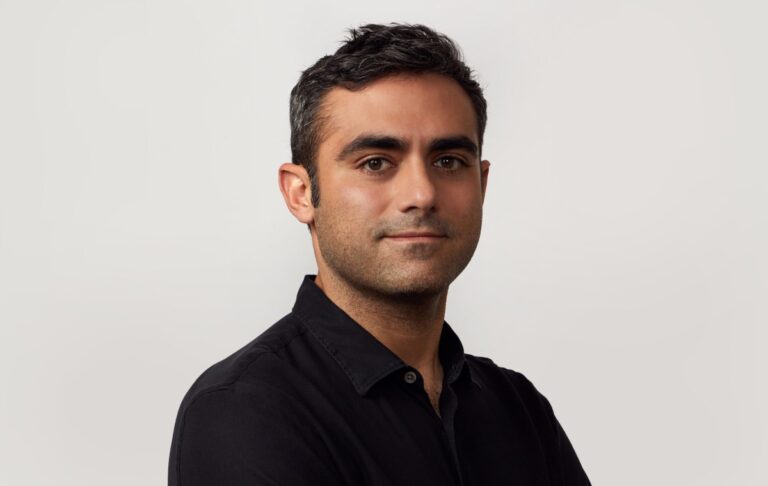
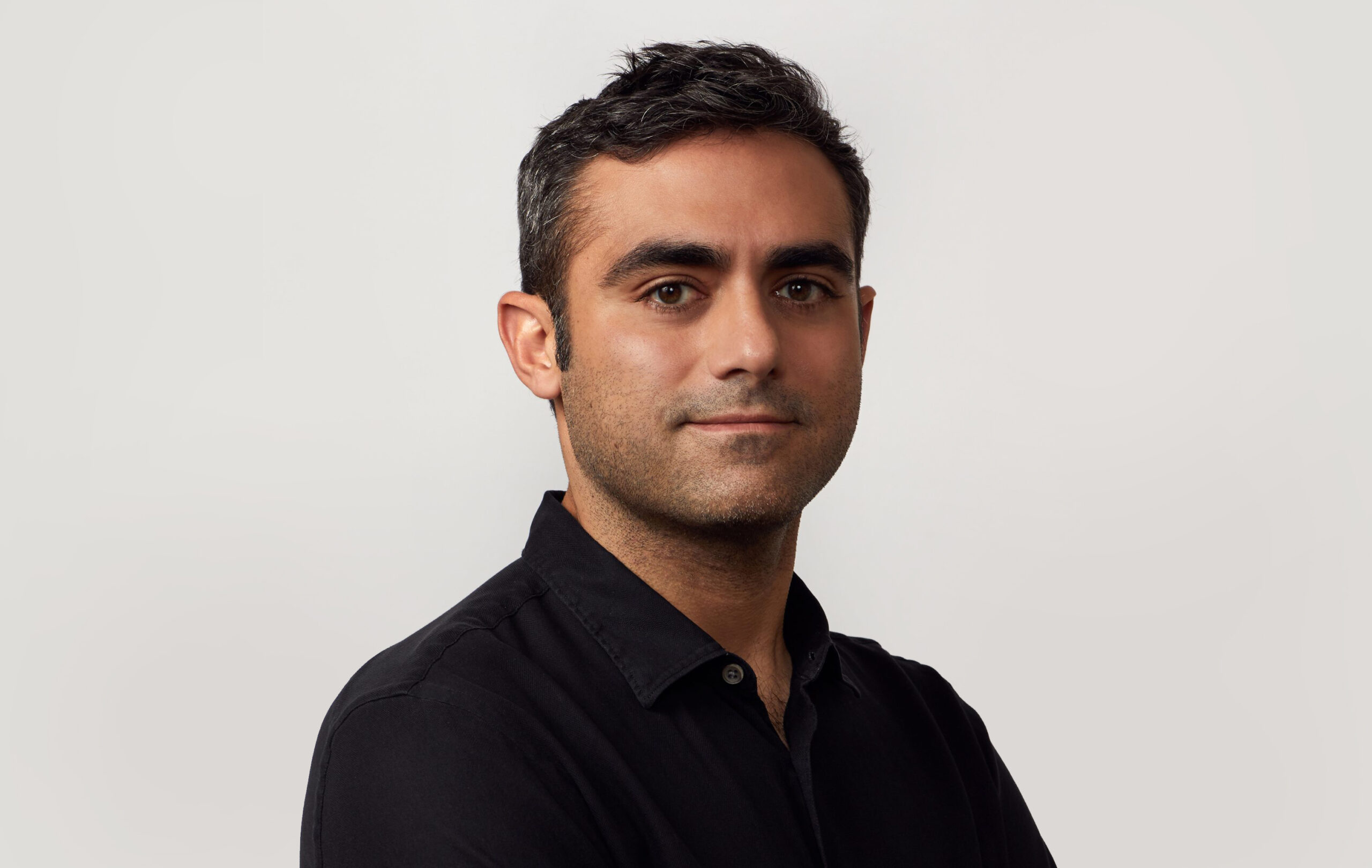
Michael Polansky runs Outer Biosciences, a startup that keeps human skin tissue alive for up to a month outside the body—a feat that stretches the industry standard of a few days. The company, founded in 2022, sources tissue from surgical waste and built a proprietary system that feeds the tissue nutrients and removes metabolic waste, extending its viable lifespan far beyond what researchers could previously achieve.
Polansky leads Outer Biosciences as CEO alongside co-founders chief scientist Kyung-Jin Jang, CTO Chris Hinojosa, and chief business officer Stanley King. The startup emerged from a straightforward problem with how biological research works today. Researchers cannot ethically run experiments directly on humans, so they rely instead on animal models, cell cultures, and lab-grown organoids—all poor stand-ins for how actual human tissue behaves. That gap has limited the pace of discovery in dermatology and related fields.
How Outer Biosciences Sources and Preserves Tissue
Outer Biosciences obtains skin from surgical waste, primarily plastic surgery procedures, through vetted non-profit and commercial biobanks and brokers. The company works principally with the National Disease Research Interchange and the Cooperative Human Tissue Network, both federally funded by the National Institutes of Health and the National Cancer Institute. Rather than purchasing tissue outright, Outer Biosciences pays fees to these suppliers on a cost-recovery basis.
The sourcing process took roughly two years to develop. The company built protocols to receive tissue within hours of surgery while it remains living. Every sample arrives already de-identified, with names, contact information, and other direct identifiers stripped away upstream by the supplying organizations. Polansky notes that there is no single government tissue network overseeing these transactions, so Outer Biosciences works with multiple suppliers to ensure consistent access.
Extending Tissue Lifespan Beyond Industry Standards
The standard lifespan for tissue in laboratory conditions is days—enough time to test for acute toxicity but not for the slower biological processes that take weeks. Dermatologists tell patients to expect skin changes over weeks for the same reason. Outer Biosciences’ system keeps tissue alive for up to a month while preserving what Polansky describes as its “day-zero architecture” and day-zero molecular programs across epidermal, stromal, and immune-associated cells. A thirty-day sample still resembles day-one tissue, though it is not fully indistinguishable from it.
What Researchers Can Study in Extended Timeframes
That extra month of lifespan opens new research possibilities. One clear example is sunburn. Outer Biosciences researchers can induce UVB damage in living tissue, then track the stress, inflammatory, and recovery-related responses over the following weeks. The team is not attempting to heal the skin but rather watching an injury unfold in real time and tracking the biological responses that follow. This window into slower biological processes represents a fundamental shift in how dermatological research can be conducted.
The AI Model Learns From Biological Outcomes
Outer Biosciences uses an AI model that predicts which untested chemicals are likely to have a beneficial effect on specific skin functions. These predictions are tested on the living tissue system. The results—whether predictions were right or wrong—are fed back into the model, improving the next round of guesses in a closed feedback loop.
The company started with a brute-force approach, mining scientific literature and partnering with the National Cancer Institute on natural compounds from extreme environments. Over about eighteen months, that phase produced a few leads. After layering in AI, Outer Biosciences now generates a new candidate roughly every six weeks. The company currently has six leads in its pipeline and several dozen additional hits logged.
Polansky emphasizes that the startup’s value lies not in any single piece of what it does but in how the pieces fit together: tissue that can be kept alive for weeks, a diverse donor pool subjected to controlled experimental conditions, and repeated molecular measurements taken over time. All of it feeds into one system that continuously improves itself. The compute demands are modest compared with training a large language model, and all of Outer Biosciences’ AI work currently runs on-premise rather than in the cloud because the company does not want the data stored in cloud infrastructure.
Polansky’s Path From Finance to Life Sciences
Polansky grew up in Minnesota and studied applied mathematics and computer science at Harvard, graduating in 2006. He spent three years at the hedge fund Bridgewater Associates before moving to Silicon Valley. His move west came through a personal connection: Sean Parker’s assistant at the time had been Polansky’s neighbor growing up. At a 2009 wedding in Minnesota, she mentioned that Parker was looking for someone to work with him. Polansky and Parker had dinner in New York, hit it off immediately, and Polansky quit Bridgewater the next day.
He initially joined Founders Fund as a principal when the firm was run by its four original partners—Peter Thiel, Sean Parker, Luke Nosek, and Ken Howery. When Parker later became liquid in his Facebook stock and built his own family office, he brought Polansky with him. Polansky ran that office, handling Parker’s business, investment, and philanthropic interests, including the Parker Institute for Cancer Immunotherapy, where he remains executive director. That decade-plus immersion in cancer immunotherapy gave Polansky deep exposure to life sciences, even though he is not a scientist himself.
His life shifted around the time of the COVID-19 pandemic. He met Stefani Germanotta, professionally known as Lady Gaga, in late 2019 at one of Parker’s birthday parties. The introduction came at the urging of Germanotta’s mother, Cynthia, who is president of the Born This Way Foundation and whom Polansky knew through his philanthropic work. The couple now manage a full professional partnership alongside their personal relationship, overseeing operations ranging from Germanotta’s world tour—which ran from July 2023 to April 2024 across three 747 aircraft and involved a 200-person operation—to Haus Labs, her cosmetics brand. Germanotta sits on Outer Biosciences’ board, and the two companies collaborate at the margins. Jang, Outer Biosciences’ chief scientist, also sits on Haus Labs’ scientific advisory board.
Licensing Strategy and Revenue Partnerships
Outer Biosciences is not pursuing a direct-to-consumer cosmetics brand. Instead, the company plans to license or sell finished ingredients to beauty or pharmaceutical companies that will formulate them into products and bring them to market under their own brands. Of the six current leads in the company’s pipeline, four already look likely to reach commercialization.
Revenue Streams and Collaborative Work
The startup is generating revenue from collaborative research partnerships. One pharmaceutical partner is studying why certain cancer drugs cause severe skin rashes. Consumer beauty brands are testing whether Outer Biosciences’ data holds up against their own product-development and marketing needs. These partnerships serve dual purposes: they provide near-term revenue while the company refines its core ingredient-discovery engine.
Funding and Team Scale
Outer Biosciences has raised roughly $23 million to date. Early backers include Wing Ventures, Initialized, and Hawktail, an investing firm associated with Polansky. The company employs nineteen people, with all but Polansky based just outside Cambridge, Massachusetts. Polansky declined to say whether the company is currently raising additional funds. Haus Labs, Germanotta’s cosmetics company, is based in El Segundo, California and employs roughly 70 people.
The Universe of Skin-Active Ingredients and Regulatory Path
The total number of approved skin-active ingredients is surprisingly small. The FDA maintains rules covering thirteen categories of over-the-counter skin drugs, such as sunscreens and antifungals. Across all categories, only about 120 to 130 active ingredients are approved by the FDA. When cosmetic ingredients backed by actual research are added to that count, the total rises to roughly 200.
Outer Biosciences is discovering cosmetic ingredients, not drugs, so the company does not need FDA approval. Instead, the path involves two steps: first, obtaining a standardized industry name for the ingredient, and then safety testing under guidelines set by the OECD, the Paris-based international organization whose member countries agree to accept each other’s properly conducted studies. A study run correctly in one member country is accepted across all forty-plus participating nations, significantly accelerating the path to market.
Competition and the Decade Ahead
Outer Biosciences is not the only company pursuing this approach. Vivodyne, a Philadelphia-based competitor building lab-grown human organ tissue, announced this month that it has raised close to $80 million to date, including a $38 million seed round and a $40 million Series A led by Khosla Ventures. Other rivals are pursuing various forms of organ-on-chip and microphysiological systems for preclinical testing.
Polansky does not appear especially preoccupied with competitors. Unlike AI companies training on internet data, there is no “biology internet” to scrape. The data that Outer Biosciences generates does not exist anywhere else, making the company’s position more defensible, if slower to build than traditional software-based AI startups.
The more immediate goal is developing a predictive model accurate enough that the company can identify promising directions in skin biology without running every experiment physically first. That would unlock a rate of discovery in dermatology that does not currently exist. For now, the work of turning a promising compound into a real product—formulation, manufacturing scale-up, supply chain, and safety testing—is still done manually by the same scientists who discover the compounds. Building a product-development team with people experienced in this work is next on the roadmap.
Polansky chose to discuss the company publicly now after years of near-total silence because of the data the team is beginning to amass and the confidence it has given them. “We kind of want to start working in public now,” he says.
Frequently Asked Questions
How does Outer Biosciences keep skin tissue alive for so long?
The company sources tissue from surgical waste through vetted biobanks and developed a proprietary support system that continuously feeds the tissue nutrients and removes metabolic waste, preserving its day-zero molecular programs for up to a month.
What happens to the compounds Outer Biosciences discovers?
The company plans to license or sell finished ingredients to beauty or pharmaceutical companies that will formulate and market them under their own brands. Of its six current pipeline leads, four already look likely to reach commercialization.
Who is Michael Polansky and what is his background?
Polansky studied applied mathematics and computer science at Harvard, worked at hedge fund Bridgewater Associates, became a principal at Founders Fund, and spent over a decade running Sean Parker's family office handling business and philanthropic interests before co-founding Outer Biosciences in 2022.
