
Key takeaways
- Solidigm seeks U.S. approval to export chipmaking equipment to its Dalian facility in exchange for building a NAND flash factory in upstate New York.
- NAND flash prices are forecast to rise 15 to 20 percent in Q4 as AI data centers compete for limited storage chip supply.
- The Trump administration revoked export exemptions for SK Hynix, Samsung and Intel China facilities in September 2025, requiring annual licensing instead.
- Solidigm is preparing for a 2027 U.S. IPO projected to raise around $10 billion and value the company at up to $100 billion.
The Deal Taking Shape
Solidigm, the NAND flash memory subsidiary of South Korean chip manufacturer SK Hynix, is seeking U.S. government approval to ship advanced semiconductor production equipment to its factory in Dalian, China. The permission request appears to be structured as part of a broader negotiation: in exchange for this export authorization, Solidigm has committed to building a new semiconductor manufacturing facility in the United States, with upstate New York emerging as a potential location for the investment.
The arrangement, first reported by Reuters citing anonymous sources, highlights the tension between maintaining profitable operations in established markets and meeting new U.S. government demands that foreign chipmakers shift production capacity to American soil.
Understanding NAND Flash and Current Market Dynamics
What NAND Flash Does and Where It Goes
NAND flash memory forms the backbone of solid-state drives, which store data in everything from personal laptops and mobile phones to the massive server arrays that power cloud computing and artificial intelligence infrastructure. Unlike older rotating hard drives, SSDs have no mechanical parts, making them faster and more reliable for modern applications.
Demand Explosion and Supply Constraints
The surge in AI data center construction has intensified demand for storage chips, creating shortages across the supply chain and driving up prices. Research firm TrendForce forecasts NAND prices will climb by 15 to 20 percent during the fourth quarter, reflecting the imbalance between what buyers need and what suppliers can currently deliver.
Why Capacity Matters Now
For manufacturers like SK Hynix, the current tight market represents both an opportunity and a challenge. Higher prices reward increased production, yet regulatory restrictions on where that production can occur create strategic complications.
The Dalian Facility and Spare Capacity
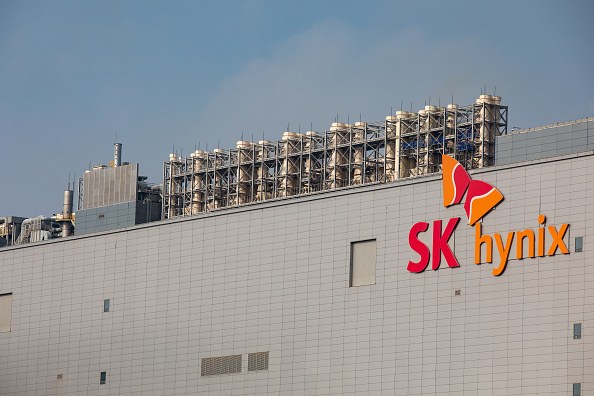
SK Hynix operates a major NAND flash manufacturing complex in Dalian. The facility’s Mod B phase was completed in 2023, adding production capacity that the company can now leverage. According to Reuters sources, Solidigm is looking to use available space within that existing plant to install additional chipmaking equipment and increase NAND output.
SK Hynix, when reached by TechCrunch, pushed back on suggestions that this represented a capacity expansion. The company stated it is not seeking to grow production capacity at the Dalian Mod B facility. What SK Hynix did confirm, however, is that any equipment installation is proceeding with consultation and authorization from the U.S. government, indicating that whatever Solidigm is pursuing has passed official review.
The U.S.-China Chip Export Restrictions
The Timeline of Escalating Controls
The United States has been systematically restricting semiconductor exports to China on national security grounds. In October 2022, the U.S. government imposed sweeping limitations on exports of advanced chips and the equipment used to manufacture them. One year later, in 2023, those restrictions were tightened further. Then, in September 2025, the Trump administration took a more aggressive step by revoking special export exemptions that SK Hynix, Samsung, and Intel had previously held for their Chinese facilities.
The Annual License Model
Rather than operating under standing exemptions, SK Hynix and Samsung now function under annual export licenses issued by the U.S. government. This system gives Washington more frequent opportunities to review and adjust what equipment these companies can send to China, effectively shortening the runway for long-term planning while giving the U.S. more control over the flow of sensitive technology.
Washington’s Domestic Manufacturing Strategy
The U.S. government, under both recent administrations, has made it clear policy to attract foreign chip production to American shores. Commerce Secretary Howard Lutnick articulated this position explicitly in July, stating that he wanted Samsung and SK Hynix to construct semiconductor plants in the United States. Lutnick indicated he was actively in talks with both companies to make this happen.
The strategy reflects broader concerns about supply chain vulnerability and national security. By having key components produced domestically, the thinking goes, the U.S. reduces dependence on foreign supply lines and geopolitical rivals.
Solidigm’s IPO and Timing
The pressure to move quickly carries added weight because of Solidigm’s planned future. The company is preparing for a U.S. public market listing in 2027, with expectations that the IPO could raise around $10 billion and potentially value Solidigm at up to $100 billion.
For investors evaluating the company ahead of that offering, clarity on where manufacturing will occur and what export restrictions may apply has direct implications for growth projections and profitability. A U.S. factory announcement, combined with continued access to Chinese markets, would present a more favorable picture than either restriction alone.
What This Means for Chip Supply
The negotiation between Solidigm, SK Hynix and U.S. authorities represents a microcosm of larger supply chain pressures. As NAND prices rise and data centers scramble for storage capacity, the ability to produce chips where they are needed matters increasingly. A new U.S. facility could help address domestic demand, while continued access to Chinese production would maintain a global supplier’s competitiveness in one of the world’s largest electronics markets.
What remains unclear is the timeline for a U.S. factory, the specific capacity it would have, and whether regulatory approvals and geopolitical tensions will continue to constrain what can flow between the U.S. and China.
Source: TechCrunch
Frequently Asked Questions
Why is SK Hynix seeking to export equipment to China while building a U.S. factory?
The arrangement appears to be a trade-off negotiated with U.S. authorities: SK Hynix is offering to invest in U.S. manufacturing capacity in exchange for government approval to export equipment to its existing Dalian facility. This lets the company maintain operations in an important market while meeting Washington's policy goal of attracting foreign chipmakers to invest domestically.
What happened to SK Hynix's previous export exemptions for China?
In September 2025, the Trump administration revoked special export exemptions that SK Hynix, Samsung and Intel previously held for their Chinese facilities. These companies now operate under annual licenses issued by the U.S. government, which provides the U.S. more frequent opportunities to review and adjust what equipment is permitted to be exported.
Why is NAND flash memory in short supply?
NAND flash is essential for solid-state drives used in laptops, smartphones and AI data center servers. Growth in AI infrastructure has intensified demand for storage chips faster than manufacturers can expand production, creating shortages. TrendForce forecasts prices will increase 15 to 20 percent in Q4 as a result.
