
Key takeaways
- Replit CEO announced ending its Anthropic partnership to shift to OpenAI, citing cost, performance, and partnership considerations.
- Blog posts and social media from late September show Anthropic's Claude models still running in Replit's production environment weeks before the announcement.
- Enterprise contracts grew from 2% to 15% of revenue year-over-year, with B2B sales now comprising over half of total revenue.
- Masad outlined technical requirements for safe AI agent deployment including orchestration, error recovery, sandboxing, and identity controls.
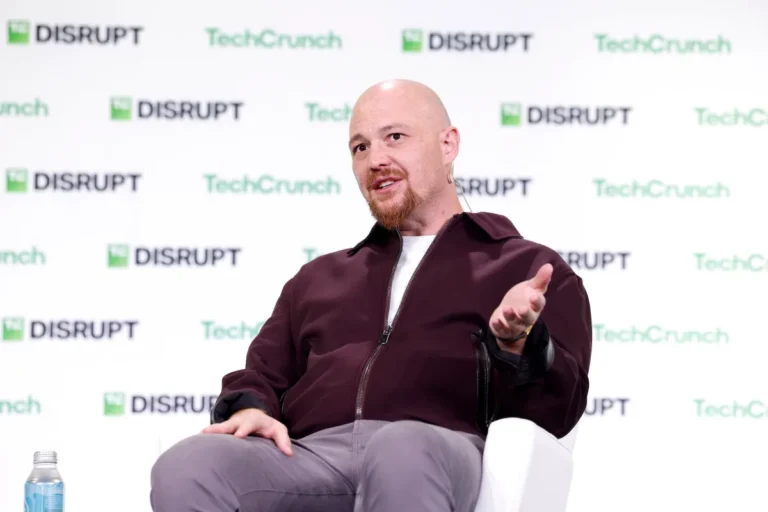
Replit, the browser-based coding platform that has gained prominence among startup founders and developers, is no longer working with Anthropic, according to CEO and co-founder Amjad Masad, who made this announcement on Thursday while speaking at TechCrunch Disrupt. The disclosure came after Replit had announced a partnership with OpenAI in August, though there had been no prior public indication that the company was concluding its work with Anthropic. This sudden pivot raises questions about the stability of AI partnerships in developer tools and the competitive dynamics between major AI labs.
Understanding Replit’s Architecture
Replit provides a cloud-based software development platform accessible directly through web browsers. Users can write code, test applications, and deploy software without needing to set up local development environments. The platform abstracts away infrastructure complexity, allowing developers to focus on writing applications.
How Claude Models Powered Replit
Under its partnership with Anthropic, Replit integrated Claude models as a central feature for AI-assisted development capabilities. This integration reportedly contributed to significant revenue growth for the company, though specific financial figures have not been disclosed. The reliance on Claude represented a strategic bet that Anthropic’s models could maintain a technical advantage in code generation and development assistance, crucial capabilities for a platform aimed at developers.
The partnership had been framed as mutually beneficial, with Claude’s capabilities embedded across Replit’s feature set to enhance productivity for its user base.
The Rationale for Switching to OpenAI
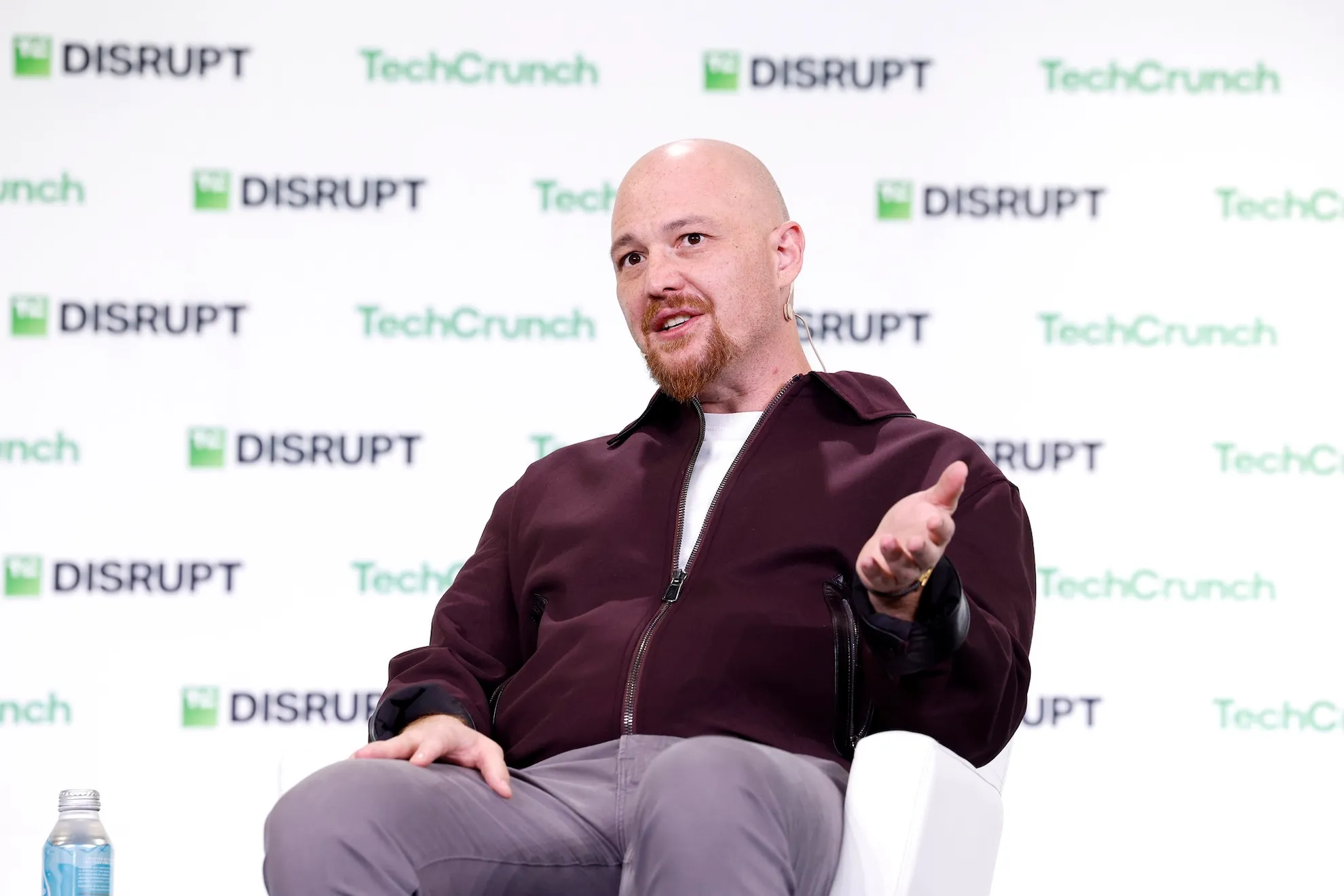
Masad presented multiple justifications for the transition during his Disrupt talk. He emphasized that the company uses internal benchmarking to evaluate model performance and also publishes public benchmarks. According to Masad, these evaluations consistently showed OpenAI’s models performing better for the specific task of building applications from scratch. “We publish a public benchmark as well, and consistently, Sol and Astra perform better on building vibe-coded applications from scratch,” he said. “It was a decision based on both cost, partnership, and performance. And for all these reasons, we just felt like they were a better partner for now.”
Performance as the Primary Driver
The CEO framed the switch in terms of technical superiority. “I think ChatGPT is better now,” Masad stated, suggesting a straightforward assessment of model capabilities rather than a strategic or political realignment. This positioning emphasizes engineering judgment over business negotiation.
The Economics of AI Integration
Masad identified cost as one of three key factors alongside performance and partnership dynamics, but he provided no specific data about pricing differentials or how significantly economics influenced the decision. For a platform that integrates AI models at scale across its user base, API costs represent a material operational expense, making pricing negotiations a standard business consideration when evaluating providers.
The Partnership Status Remains Contested
However, Masad’s announcement encountered immediate pushback. People with direct knowledge of the Anthropic-Replit partnership told TechCrunch that the collaboration remains active, contradicting the CEO’s public statement and creating confusion about the relationship’s actual status.
Contradicting Statements from Insiders
Unnamed sources familiar with the partnership indicated that no termination has occurred, suggesting either a miscommunication within Replit’s leadership or a deliberate decision to publicly characterize the relationship differently than its operational reality. This gap between public statements and behind-the-scenes accounts raises questions about transparency or internal coordination.
Documentary Evidence Undermines the Timeline
Replit’s own public materials directly contradicted the announcement timing. A blog post published in late September explicitly identified Anthropic’s Claude Fable 5 and Claude Fable 5.1 as models currently running in Replit Agent’s production environment. Around the same period, a Replit product employee posted on X (formerly Twitter) about actively using Anthropic’s flagship model Opus 5.5 and promoting its capabilities to followers.
Both of these posts appeared several weeks before Masad’s Disrupt statement, creating a temporal conflict with the narrative that the partnership had been concluded. Either the partnership was still active at the time these statements were made, or the company’s internal and external communication about the relationship’s status are misaligned.
The Shifting Revenue Mix
During his presentation, Masad shared data about changes to Replit’s business composition. Enterprise contracts, which represented just 2% of revenue in the prior year, have grown to comprise approximately 15% of revenue in the current year. More broadly, business-to-business sales now account for more than half of the company’s total revenue.
While Replit has not disclosed annual recurring revenue (ARR) figures, these proportions indicate a strategic shift from individual developer monetization toward enterprise customers. This transition often signals business maturation, more predictable revenue streams, and improved customer acquisition economics at larger deal sizes.
The Infrastructure for Safe AI Agents
Masad also discussed the prerequisites for responsibly deploying autonomous AI agents. He used an analogy to human working environments, describing what agents require to function effectively: “In the same way that us humans need a certain environment to work — you need a nice office, maybe nice good food in the office, air-conditioning, computer — agents need a habitat for them to exist and do good work.”
He outlined specific technical components of this habitat: orchestration systems to coordinate complex processes, error recovery mechanisms to handle failures, sandboxing to isolate agent actions, networking infrastructure, identity and authorization systems to control access, and safety and security measures to prevent harmful outcomes. Masad suggested that once these foundational elements are properly implemented, organizations can deploy AI agents more confidently.
This emphasis reflects broader industry concerns about autonomous systems operating in sensitive environments like code generation and infrastructure management, where errors can cascade quickly and affect production systems.
Source: TechCrunch
Frequently Asked Questions
Why is Replit switching from Anthropic to OpenAI?
CEO Amjad Masad cited cost, performance, and partnership factors. He stated that Replit's internal and public benchmarks show OpenAI's models consistently perform better at building applications from scratch.
Is Replit actually leaving Anthropic?
People familiar with the partnership told TechCrunch it remains active, contradicting Masad's statement. Additionally, Replit blog posts and social media from late September showed Claude Fable 5.1 and Opus 5.5 models still running in production.
How is Replit's business changing?
Enterprise contracts increased from 2% to 15% of revenue this year, and business-to-business sales now represent more than half of total revenue, indicating a shift toward larger organizational customers.
