
Key takeaways
- Sony’s decision represents a fundamental restructuring of how players will access new PlayStation games across all current and future hardware generations.
- Sony’s confidence in this transition rests on the extraordinary scale of its PlayStation 5 user base.
- Despite abandoning discs, Sony remains committed to maintaining a presence in physical retail environments after 2028.
- Sony’s decision positions the company as the industry’s most aggressive player in the digital-only transition.
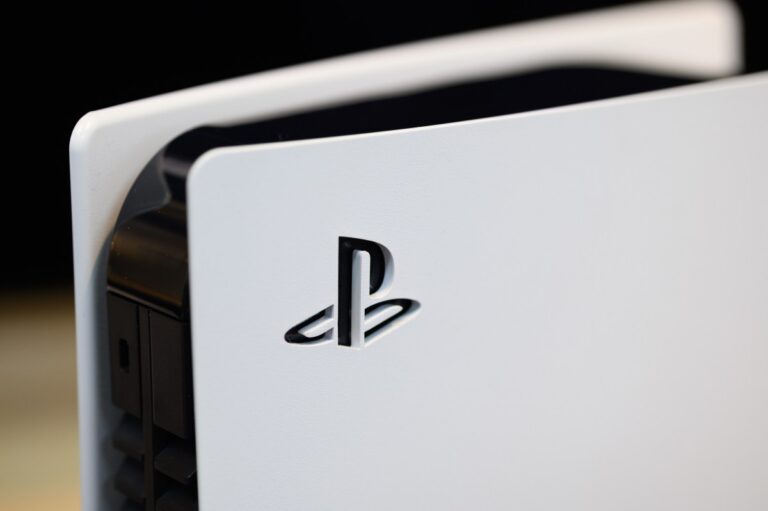
Sony Interactive Entertainment will cease production of physical game discs for all new PlayStation titles starting January 2028, marking the first time a console manufacturer has fully ended physical disc production for new releases. The Japanese electronics giant announced the sweeping policy shift on July 1, 2026, signaling an irreversible pivot toward digital-only distribution for its gaming ecosystem. After the cutoff date, all new games will be available exclusively through the PlayStation Store and via digital redemption codes sold at physical retailers.
The End of an Era: Physical Discs Exit the PlayStation Ecosystem
Sony’s decision represents a fundamental restructuring of how players will access new PlayStation games across all current and future hardware generations. Sid Shuman, Senior Director of Content Communications at Sony Interactive Entertainment, stated that “this is a natural direction for Sony Interactive Entertainment to adapt to consumer trends as the general preference for digital media significantly outpaces physical discs. This transition will enable us to align more closely with how most of our community prefers to access and play games today.”
The timeline provides a clear transition window for consumers and retailers. Any games released before January 2028—including anticipated 2027 titles like Madden, God of War, Call of Duty, and Sly Cooper—will remain available on physical discs. This 18-month runway allows publishers to plan releases strategically and gives players time to adjust to the digital-first future. Grand Theft Auto 6 has already pioneered this model on PlayStation hardware, offering only digital versions on the PlayStation Store and download codes in physical boxes, with no disc version provided.
A Massive Installed Base Drives the Shift
Sony’s confidence in this transition rests on the extraordinary scale of its PlayStation 5 user base. The PS5 has sold over 84 million units globally and accumulated 100 billion hours of gameplay across five years, according to data the company released in November 2025 to mark the console’s fifth anniversary. This massive installed base demonstrates that the majority of PlayStation players already possess the infrastructure and familiarity to purchase games digitally through the PlayStation Store ecosystem.
The move reflects broader entertainment industry trends where digital consumption has become the dominant format. By eliminating the manufacturing, distribution, and logistics costs associated with physical discs, Sony positions itself to improve profit margins while reducing environmental impact from production and shipping. The company acknowledges that general consumer preference for digital media has significantly outpaced physical discs, validating the strategic realignment with how most of its community currently plays games.
Retail Strategy Evolves While Physical Presence Persists
Despite abandoning discs, Sony remains committed to maintaining a presence in physical retail environments after 2028. The company plans to continue selling games through brick-and-mortar retailers, though the exact mechanism—whether boxes containing download codes, cards with digital redemption numbers, or other physical packaging—remains unspecified in the official announcement. This hybrid approach preserves Sony’s retail partnerships and revenue streams while eliminating the need for expensive disc manufacturing infrastructure.
The announcement also reveals Sony’s broader platform consolidation strategy. The company is shutting down online marketplaces for legacy PlayStation 3 consoles and the PS Vita handheld in July 2027 across most countries, with earlier closure dates in Latin America during August 2026 and late 2026. Players will retain access to previously purchased digital games “for the foreseeable future” after these store closures, ensuring backward compatibility for legacy digital libraries while streamlining the company’s digital infrastructure.
Industry Implications and Competitive Positioning
Sony’s decision positions the company as the industry’s most aggressive player in the digital-only transition. While Microsoft has released digital-only versions of some consoles and Nintendo maintains a hybrid approach, Sony becomes the first manufacturer to mandate digital-only releases across its entire platform. This bold move sets a precedent that could influence how competitors design future hardware and structure their own digital ecosystems.
The timing suggests Sony anticipates PlayStation 6 hardware could launch by January 2028, potentially arriving as a fully digital console for new releases. Whether the PS6 includes a disc drive for backward compatibility with PS5 physical games remains unclear, but the phased approach ensures a smooth transition for developers and players. Third-party publishers must now plan all post-January 2028 releases exclusively for digital distribution, fundamentally reshaping how games reach consumers.
PlayStation’s Path From Physical Pioneer to Digital Leader
The PlayStation brand, owned by Sony Interactive Entertainment and created by legendary executive Ken Kutaragi, has dominated the gaming industry since its 1994 Japan launch. The original PlayStation became the first console to ship over 100 million units, establishing the franchise’s position as a global entertainment powerhouse. That same brand now leads the industry’s transition away from the physical media format that defined console gaming for nearly three decades.
This shift marks a historic inflection point for the 32-year-old PlayStation brand, transforming from a disc-based platform into a purely digital ecosystem for new releases. The decision acknowledges that gaming consumption patterns have fundamentally changed since the PS5’s 2020 launch, with digital purchases now representing the preferred method for the vast majority of players.
Key Dates and Developments to Monitor
The January 2028 cutoff date serves as the critical inflection point for the entire PlayStation ecosystem. Investors and industry observers should track how publishers respond to the deadline, whether the PS6 launches before or after the cutoff, and how physical retailers adapt their business models around digital redemption codes. The PS3 and PS Vita store closures in July 2027 will provide an early indicator of how smoothly Sony executes its digital transition strategy.
Sony’s decision fundamentally redefines the future of console gaming, eliminating physical discs as a viable distribution method for new PlayStation titles. The move signals that digital distribution has achieved sufficient market penetration and consumer acceptance to make physical media obsolete, reshaping how 84 million PlayStation players—and potentially billions more across competing platforms—will access games for the next generation of hardware.
