
Key takeaways
- Apple Upgrade and Samsung Galaxy Forever convert smartphone ownership into monthly subscriptions as devices last longer and costs rise.
- Subscription leasing works best for annual upgraders; customers keeping phones 3-5 years save money buying outright.
- Manufacturers use subscriptions to improve retention and protect margins while secondary markets ensure refurbishment supply.
- Startups like BytePe and Raylo prove subscription models thrive with young professionals seeking premium devices without upfront costs.
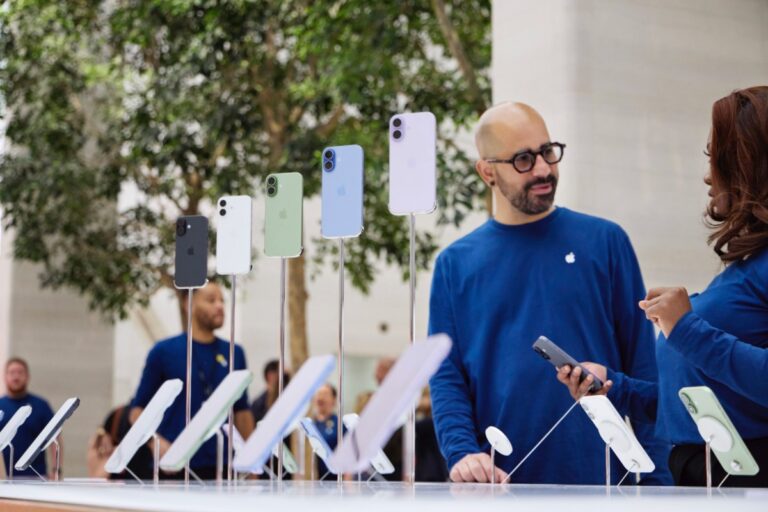
The smartphone industry is quietly making a bet on how people will own their next phone — and it may not involve ownership at all. This week, Apple unveiled Apple Upgrade in the United States, a leasing program developed with payment partner Klarna that lets customers pay monthly to use an iPhone, Mac, iPad, or Apple Watch, with built-in options to upgrade, return, or eventually purchase the device outright. The move represents a significant shift in how the world’s largest tech companies think about moving hardware.
Samsung is pursuing similar territory. The company’s Galaxy Forever program, currently available in India, bundles equipment financing with guaranteed buyback terms, enabling customers to predictably upgrade their flagship devices without the unpredictability of resale markets. Neither program invented subscription phones — carriers in the U.S. have financed handsets for years — but the manufacturers are now stepping in to own the relationship directly.
Why Makers Are Betting on Leasing
Longer Replacement Cycles Create New Economics
The smartphone replacement cycle has stretched significantly. U.S. customers now hold onto premium phones for an average of 42 months, up from 38 to 40 months in previous years, according to market intelligence firm IDC. Counterpoint Research projects the global average will hit four years by 2026, extending from 3.5 years in 2025. That shrinking demand worries manufacturers facing rising component costs and increasingly marginal hardware improvements that keep older devices useful for years.
The math forces a strategic choice: wait longer between upgrades while your customer base stabilizes, or shift the model entirely. Apple CEO Tim Cook explained the Upgrade program targets customers who prefer regular upgrades, framing it as convenience. But analysts identify a sharper motivation underneath.
Protecting Margins and Retention
Navkendar Singh, associate vice president of devices research at IDC, said the underlying driver is fundamentally different. “The real driver isn’t shorter upgrade cycles; it’s protecting margin and retention as pricing pressure mounts,” Singh told TechCrunch. Rather than convincing people to replace phones more often, smartphone makers are converting expensive one-time purchases into predictable monthly subscriptions that lock customers into their ecosystems while prices climb.
This shift occurs as tighter component supplies have pushed device costs upward, making the initial purchase barrier higher. By converting that barrier into recurring payments, manufacturers reduce friction and improve the lifetime value of each customer relationship.
The Secondary Market Dependency
These programs only work if refurbished phones re-enter the market efficiently. Max Weinbach, analyst at Creative Strategies, was direct: “These programs fundamentally do not work unless a secondary market exists. The only way to sustain a used or refurbished market is to make sure devices enter that market, and leasing and guaranteed buyback programs make that possible.”
When customers own phones for five years, those devices eventually vanish into drawers or recycling bins. Leasing programs guarantee a steady pipeline of trade-in devices at predictable intervals, feeding the certified refurbishment market and sustaining resale channels that third-party buyers rely on.
The Financial Case: When Leasing Wins
Who Benefits From Leasing vs. Buying
The economics aren’t universal. Matt Schulz, chief consumer finance analyst at LendingTree, noted that leasing works best for frequent upgraders. Consumers who keep phones for three, four, or five years save money by buying outright rather than chasing a subscription model. The math flips, however, for annual or biennial upgrades.
Weinbach’s analysis of Apple’s program suggests that customers replacing phones every 12 to 36 months could match or beat the total cost of outright purchase-plus-trade-in, particularly on higher-storage models whose trade-in values historically lag their purchase price premiums. For these upgraders, leasing eliminates the gap between what they pay for storage and what they recover on resale.
But the programs target a specific demographic. BytePe, a subscription-phone startup operating in India, reports that more than 80 percent of its customer base chooses subscriptions over traditional financing or outright purchases. Founder Jayant Jha identified the core market: young professionals in early career stages who want premium devices without the full upfront cost or multiyear ownership commitments.
The Global Expansion of Device Subscriptions
The U.S. and India are not alone in exploring leasing models. Raylo in the United Kingdom and Grover in Germany have built entire businesses around monthly subscription plans for smartphones and consumer electronics. These startups are now watching as Apple and Samsung enter the space with vastly larger distribution and brand power.
Tarun Pathak, research director at Counterpoint Research, expects these initiatives to proliferate in the premium segment. “The primary objective is to increase customer lifetime value by improving retention, creating predictable upgrade cycles and securing a steady pipeline of trade-in devices for certified refurbishment and resale,” Pathak told TechCrunch. That objective already guides startups like Cashify in India, which has built a business on trade-in and refurbishment.
Ownership Models Will Coexist, Not Consolidate
The smartphone market is unlikely to tip entirely toward leasing. Mandeep Manocha, co-founder and CEO of Cashify, expects all three models — leasing, subscriptions, and outright purchase — to persist. “All three business models have a place to exist, and they will continue to do so. There is a natural transition that may happen from complete ownership to leasing, but it’s a long journey,” Manocha said.
Existing carrier financing in the U.S. already demonstrates this coexistence. Wireless carriers have long bundled interest-free 36-month financing with aggressive trade-ins worth up to $1,100, creating an affordability bridge that helped the U.S. achieve the world’s highest smartphone average selling prices. Apple and Samsung command over 80 percent of the U.S. market combined, partly because that financing structure made premium devices accessible.
Apple’s entry into direct leasing may reshape this landscape, but IDC’s Nabila Popal expects the impact will be uneven. She believes the Upgrade program will drive greater adoption in Mac sales than iPhones, as financing alternatives are less established for computers than phones. For the smartphone market itself, Popal suggested the program will expand financing optionality rather than fundamentally overturn how Americans buy their next handset.
The smartphone industry is testing whether ownership is becoming a product feature rather than a business model. Apple’s partnership with Klarna and Samsung’s Galaxy Forever suggest that manufacturers believe the answer is yes — at least for the premium segment where margins matter most.
Frequently Asked Questions
When does smartphone leasing make financial sense compared to buying?
Leasing benefits customers who upgrade every 1-3 years, particularly on high-storage models where trade-in values lag purchase prices. Customers keeping phones for 3-5 years save money buying outright instead.
Why are Apple and Samsung pushing leasing programs now?
Manufacturers aim to improve customer retention and protect margins as device costs rise and replacement cycles extend to 4+ years. Subscription models lock customers into ecosystems while creating predictable revenue.
What companies besides Apple and Samsung offer smartphone leasing?
BytePe operates in India where over 80% of customers choose subscriptions; Raylo serves the UK and Grover serves Germany. These companies target young professionals seeking premium devices without full upfront costs.
