
Key takeaways
- Bitchat, Jack Dorsey's decentralized messaging app, has been removed from Apple and Google's app stores in India under Section 69A of the Information Technology Act.
- The app uses Bluetooth mesh networking to enable encrypted messages without internet or centralized servers, making it valuable during internet shutdowns and government restrictions.
- The Internet Freedom Foundation challenged the order as unconstitutional, arguing Section 69A targets unlawful content, not software based on its technical capabilities.
- India accounted for 85 percent of Bitchat's global downloads between July 17-23, 2026, during protests where demonstrators used the app when authorities suspended internet access.
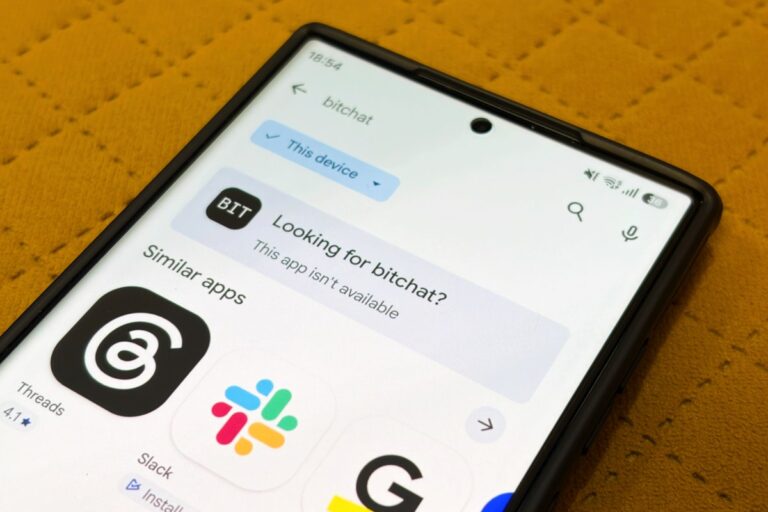
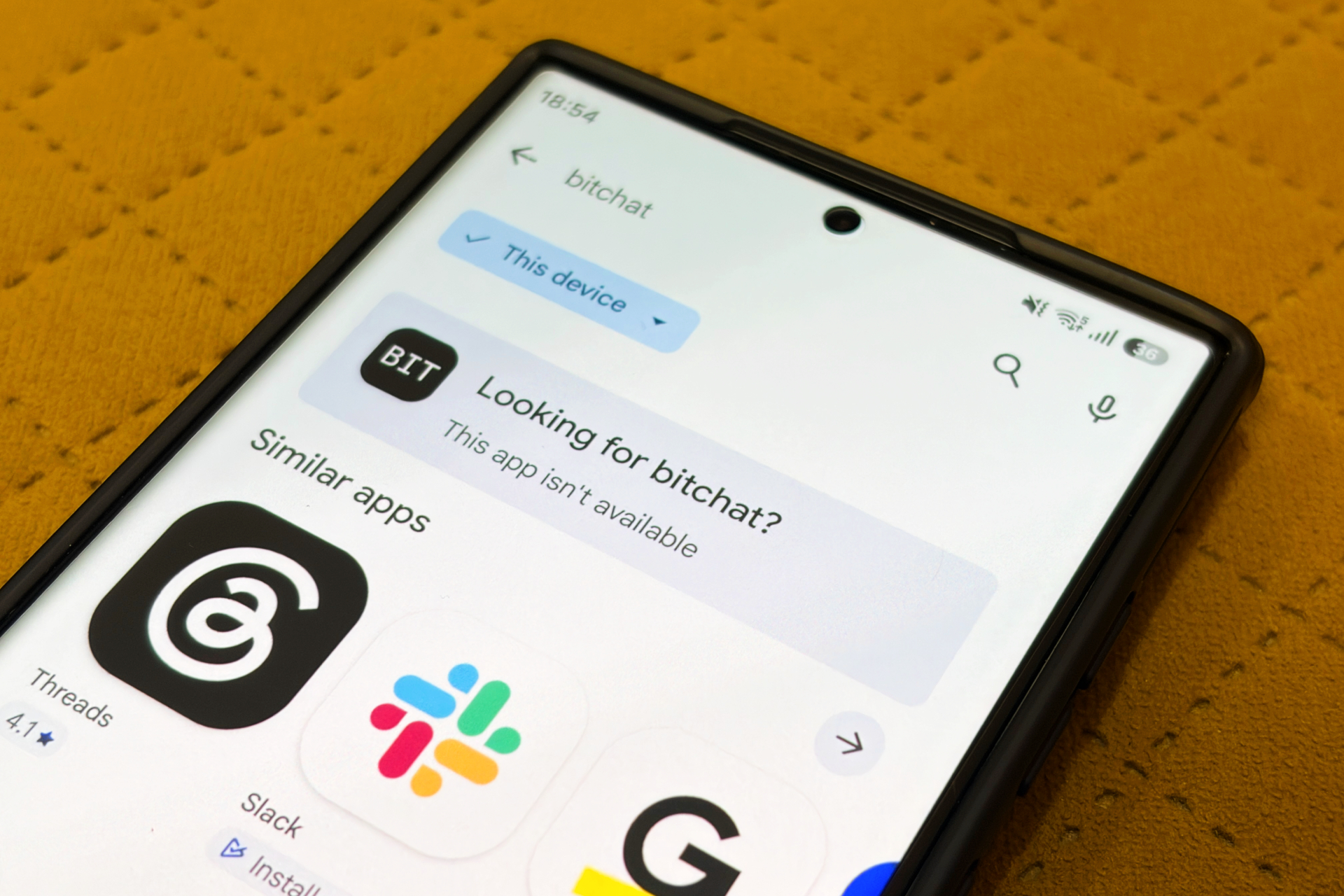
Bitchat, Jack Dorsey’s decentralized messaging application, has been removed from Apple’s and Google’s app stores in India following a government order. Dorsey disclosed the action Saturday on X, sharing a notice from Apple indicating that the Indian government’s Ministry of Electronics and Information Technology invoked Section 69A of the Information Technology Act to mandate the removal. The app remains available through Apple’s store outside India, though access through TestFlight, the company’s beta-testing service, is blocked nationwide. When TechCrunch checked on Saturday, the application was no longer available on Google Play in India, and Bitchat’s website had become inaccessible across Indian internet service providers. Apple, Google, and India’s IT ministry did not respond to requests for comment.
Removal from Major Platforms
This marks the second major government action against Bitchat in 15 months. In July 2026, the Indian government ordered GitHub to remove repositories containing the open-source code for the application, citing provisions governing intermediary liability for third-party content. The current removal uses different legal authority. Section 69A empowers the Indian government to block access to information deemed unlawful, a provision traditionally applied to specific content rather than to software based on its functionality.
The shift in legal strategy suggests the government is testing whether Section 69A can serve as a broader tool for restricting applications. This distinction matters because it raises questions about how expansively the provision can be interpreted and applied to technologies beyond information or content in the traditional sense.
Understanding Bitchat
Technology and Design
Bitchat launched in July 2025 using Bluetooth mesh networking to enable encrypted communication between nearby devices without relying on cellular networks, internet connections, or centralized servers. The technology allows messages to hop from device to device across a mesh network, enabling communication to continue even when internet access is unavailable, including during periods when authorities deliberately suspend connectivity.
Open-Source Architecture
The application operates as open-source software, meaning its code is publicly accessible and can be modified or redistributed. This open nature complicates government restrictions. While the July GitHub takedown removed official repositories, the public nature of open-source projects means information about the software’s development and distribution remains accessible through other channels and documentation.
Encryption and Privacy
Messages transmitted through Bitchat employ encryption, which the Indian government identified as problematic in its July order. Officials stated that the combination of encryption and mesh networking makes it difficult for law enforcement to intercept communications or identify users. They specifically flagged the app’s ability to operate during internet blackouts as a vulnerability to governmental control during civil unrest.
Government Concerns and Legal Basis
The Indian government framed its restriction around law enforcement capabilities and national security concerns. According to the July order, Bitchat’s reliance on local mesh networking rather than centralized servers makes communications difficult to intercept. The government emphasized the app’s continued operation during internet shutdowns, treating this as a potential obstacle to governmental authority during periods when officials attempt to control information flow.
Section 69A, invoked in the current removal order, permits the government to block access to information the state deems unlawful. However, the statute does not explicitly address whether the provision extends to restricting software based on its functional capabilities rather than its content. This ambiguity has become central to the legal challenges emerging from digital rights organizations.
Digital Rights Challenge
The Internet Freedom Foundation, a New Delhi-based advocacy group, declared the latest order unconstitutional, arguing that Section 69A targets unlawful content, not the technical features of applications. The organization contends that a statute designed to block specific information cannot legitimately be used to prohibit software because of what it can do.
The foundation also noted that the government has not publicly disclosed the specific illegal information allegedly justifying the blocking order, raising due process concerns. Neither the blocking order itself nor the content cited as its basis has been made public, meaning the rationale for the government’s action remains opaque.
This legal question extends beyond Bitchat. If Section 69A permits blocking software based on functionality rather than content, the precedent could apply to encryption tools, cloud storage services, decentralized networking applications, and privacy-focused browsers. All of these technologies share the property of limiting governmental visibility into user communications and data.
The Protest Context
Bitchat’s removal occurs during a period of heightened political tension in India. The country is experiencing youth-led protests over alleged irregularities in voter rolls, with demonstrators demanding the resignation of the chief election commissioner. On the Saturday when Dorsey disclosed the Bitchat removal, police detained several people during demonstrations in New Delhi. The day before, authorities suspended internet services around Jantar Mantar, a major protest location in the capital, for 12 hours.
Bitchat’s functionality became directly relevant during the July protests. When authorities suspended internet access, demonstrators reportedly turned to Bitchat and a competing application called Briar to maintain communication. These tools’ ability to operate without centralized infrastructure made them valuable precisely when officials attempted to control information channels. The current removal appears designed to prevent similar use during future unrest.
Escalation and Precedent
Interest in Bitchat surged dramatically in India during July 2026. According to market intelligence firm Sensor Tower, India accounted for approximately 85 percent of the application’s global downloads between July 17 and July 23, up from roughly 1 percent of downloads during the previous 30 days. This concentrated adoption during a period of active protests likely accelerated regulatory attention to the platform.
The pattern reveals a cycle: governments restrict internet access during protests, users seek alternative communication methods, applications like Bitchat become attractive, and regulators respond by attempting to restrict the tools themselves. The removal from app stores represents a more aggressive approach than the earlier GitHub takedown, targeting distribution rather than source code. Digital rights organizations have signaled they will challenge the order in Indian courts, but the outcome remains uncertain. For now, users in India cannot download Bitchat through official channels, though the app’s decentralized design means determined individuals may still locate and install the software through alternative means.
Source: TechCrunch
Frequently Asked Questions
Why did the Indian government order Bitchat's removal?
India's Ministry of Electronics and Information Technology invoked Section 69A of the Information Technology Act, citing the app's encryption and ability to operate without internet as obstacles to law enforcement interception. The government also flagged the app's functionality during internet shutdowns as a vulnerability to governmental control.
What is Bitchat and how does it work?
Bitchat is a decentralized messaging application launched in July 2025 that uses Bluetooth mesh networking to allow nearby devices to exchange encrypted messages without relying on cellular networks, internet connections, or centralized servers.
Has this been the first restriction against Bitchat in India?
No. In July 2026, the Indian government ordered GitHub to remove repositories containing Bitchat's open-source code, citing intermediary liability provisions. The current removal from app stores represents a more aggressive approach targeting distribution channels.
