
Key takeaways
- Breslow personally invested $5 million in a $27 million bridge round after returning as Bolt's CEO in March 2025, betting the company can reach profitability.
- Bolt's valuation collapsed from $11 billion in early 2022 to $300 million today, a 97 percent decline that followed a failed $450 million fundraise attempt in 2023.
- The bridge includes a pay-to-play provision that penalizes existing investors who don't participate, forcing them to choose between committing capital or accepting dilution.
- Breslow is betting a newly launched super app integrating payments, crypto, and financial services can restore growth as the company operates with just 60 employees, down from 900 in 2021.
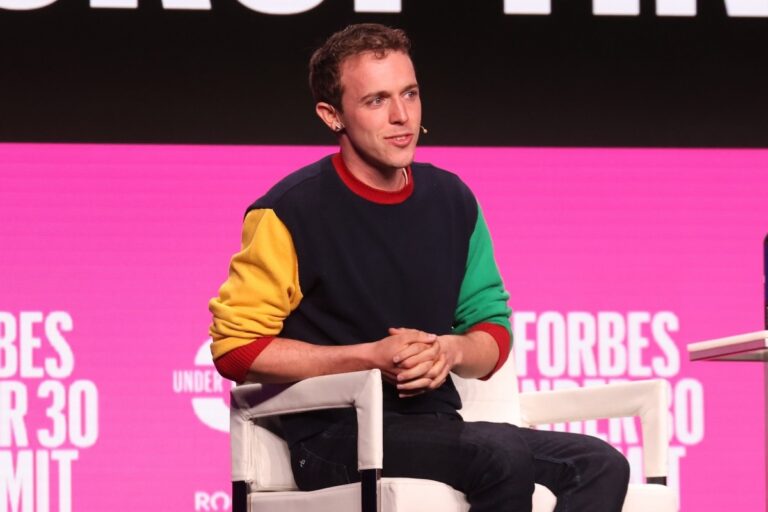
Ryan Breslow has not written off Bolt, the checkout startup he founded in 2014 at age 19 as a Stanford dropout. After stepping down as CEO in 2022, he returned to the role in March 2025 and is now pursuing a bridge round of up to $27 million to extend the company’s runway and move toward a full Series E2 close. He is personally committing $5 million to the round, a gesture meant to demonstrate conviction in a company whose value has evaporated far faster than its trajectory ever suggested it would.
The Valuation Freefall
Bolt’s fall from grace represents one of the sharper declines in recent startup history. The company hit an $11 billion valuation in early 2022, placing it among a select group of checkout-focused unicorns built atop speed and frictionless payment flows. Within months, that assessment had collapsed entirely. Bolt now stands at $300 million in valuation, a 97 percent destruction of value.
A failed mega-round and investor litigation
In 2023, Breslow attempted to raise $450 million at a $14 billion valuation. The effort unraveled after major existing investors, including BlackRock and Hedosophia, sued to block the round. Court filings revealed that one investor named as a lead backer disputed participating at all, while another offered $250 million in marketing credits in place of actual cash. All parties eventually dismissed the litigation voluntarily, but the damage to Bolt’s reputation and investor confidence persisted.
Breslow’s three-year absence
Breslow departed the CEO role in 2022, yielding leadership to others. Over the following three years without him, the company shed customers and momentum, by his own assessment. The decision to return in March 2025 followed more than a year of exploratory conversations about a new fundraise. The timing underscores the urgency: without new capital, Bolt’s options narrow considerably.
The Bridge Round Structure
Bridge financing typically serves startups in two distinct situations: either a high-growth company needs six to 12 months to reach the next major milestone, or a troubled company requires time to restructure operations or approach profitability. Breslow frames Bolt’s capital raise as the former case, claiming the company is approaching profitability and returning to revenue growth after years of contraction.
The round is being raised from existing investors and structured as a convertible note. The capital will “capitalize on recent operational milestones, clear legacy obligations, and ensure a seamless transition” toward the full Series E2 close, according to a company statement. Breslow declined to specify which legacy obligations require addressing.
Pay-to-play penalties for passive investors
The convertible note includes a punitive pay-to-play provision: investors who decline to participate will see their equity stakes diluted significantly when the note converts to equity at a discount during the next funding round. This mechanism creates pressure on existing backers to choose between doubling down or accepting substantial dilution. It often signals that a company faces limited options and must resort to investor fear to secure commitments.
Board and shareholder approval
Unlike the 2023 attempt, Breslow says Bolt’s board and a majority of preferred shareholders have authorized this fundraise. He estimates that participation from Bolt’s roughly 100 existing investors will reach at least $15 million, though participation will not be universal. At least one angel investor confirmed through his wealth manager that he intends to participate, though most investors’ positions remain undisclosed.
The Cash Picture and Operational Scale
Breslow has not disclosed how much cash Bolt currently holds or how many months of runway the company maintains. The company has contracted dramatically: headcount fell from 900 employees in 2021 to approximately 60 today, a reduction of more than 93 percent. This scale reduction, coupled with Breslow’s claims about profitability, leaves ambiguity around whether the bridge is purely precautionary or a lifeline necessitated by dwindling reserves. The bridge itself appears positioned as a stepping stone toward a larger Series E2 close, not a permanent solution.
Betting on the Super App
Breslow’s strategy for revival centers on a super app Bolt introduced last year. The platform consolidates checkout, financial services, peer-to-peer payments, cryptocurrency functionality, and credit cards into a single interface. The vision is to eliminate the friction of entering payment information repeatedly across different merchants and contexts.
Comparing himself to Lyft’s path
When asked about Bolt’s potential trajectory, Breslow offered a specific market positioning analogy: “I think we can be the Lyft to Stripe’s Uber.” The comparison suggests he believes Bolt can establish itself as a sustainable second player in checkout and payments, even though Stripe has already claimed market dominance and built a durable moat.
Efficiency Claims Anchored to AI
Breslow attributes Bolt’s ability to operate as a 60-person company to gains from artificial intelligence. He stated the company is “getting probably 10 times more done, shipping 10 times faster because of AI.” This efficiency narrative explains how a startup once requiring 900 employees can maintain product velocity with a team one-fifteenth its historical size. It reframes the massive headcount reduction as strategic optimization rather than investor-forced contraction or evidence of unit economics failure.
Choosing to Fight Rather Than Flee
Breslow was offered an exit path multiple times. He disclosed that several founders have approached him with offers of $10 million to abandon Bolt and launch a new company, sparing him what he described as “this nightmare of a situation.” He rejected each offer. Instead, Breslow maintains that Bolt’s existing customer base, proprietary technology, and market relationships create a defensibility moat that cannot be replicated from zero.
The founder’s unshaken conviction
Breslow founded Bolt 12 years ago. Despite a 97 percent valuation collapse, investor litigation, a leadership transition, and three years away from the CEO role, he remains convinced the company warrants restoration. His $5 million personal commitment to the bridge round serves as a signal of that conviction, even if it falls short of definitive proof. Whether his existing investors—who have already seen their stakes devalue catastrophically—will share his belief and commit the remaining $15 million to $22 million needed remains uncertain.
Frequently Asked Questions
Why is Bolt raising a bridge round instead of a full funding round?
Bridge rounds typically serve startups that need six to 12 months to reach the next milestone, or companies requiring time to restructure. Breslow frames Bolt as approaching profitability and returning to growth, positioning the bridge as a stepping stone toward the full Series E2 close.
What happened to Bolt's previous $450 million fundraise attempt?
In 2023, Breslow attempted to raise $450 million at a $14 billion valuation. The deal collapsed after major investors including BlackRock and Hedosophia sued to block it, following disclosures that one named lead backer denied participating and another offered marketing credits instead of cash. All parties later dismissed the litigation.
How does the pay-to-play provision work?
Investors who decline to participate in the convertible note will lose a substantial portion of their equity when the note converts to equity at a discount during the next funding round. This mechanism pressures existing backers to commit capital or accept significant dilution.
