
Key takeaways
- Democrats sent a letter to Commerce Secretary Lutnick questioning how Nvidia's H200 chips reached China after Trump added a tariff and issued export licenses, with concerns about verification of foreign buyers.
- The inquiry questions why Megaspeed, where an alleged Chinese spy worked as an executive, continued receiving chip purchase licenses despite U.S. intelligence warnings to the Commerce Department.
- The letter raises timing concerns about Nvidia's $26 million donation to Trump's projects occurring after Trump learned of CEO Huang's affair with the alleged spy, suggesting possible coercion.
- Two Congressional investigations are underway: Republicans demanding closed-door testimony (which Huang agreed to after his resignation), and Democrats requesting documents about the Commerce Department's decision-making.
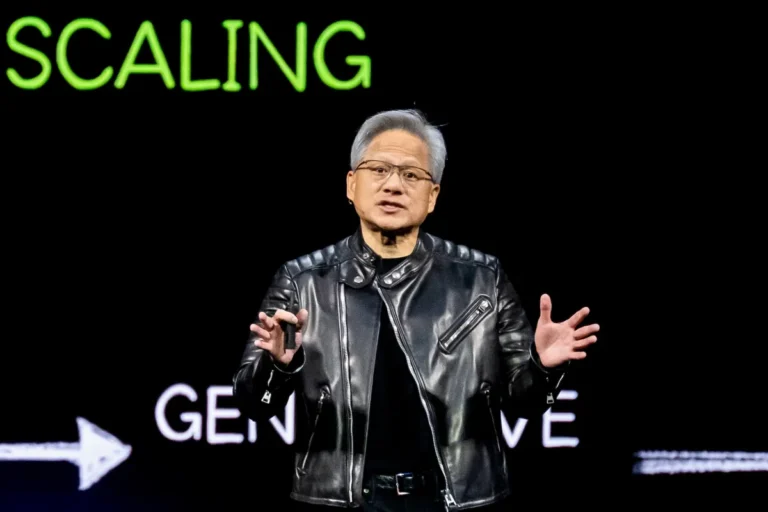
Democrats launched an inquiry Thursday into how the Trump administration managed Nvidia’s semiconductor sales to China, the same day CEO Jensen Huang was ousted from the company he founded. Huang agreed to testify before a separate Republican-led Congressional committee investigating the arrangement.
Huang resigned after confessing to an extramarital affair with Alice Huang, a woman U.S. intelligence officials believe to be a Chinese spy. Alice Huang worked as an executive at Megaspeed, a Singapore-based company that authorities suspect of facilitating advanced Nvidia chip shipments into China.
The Democratic inquiry, led by Rep. Richard Neal of Massachusetts and Sen. Ron Wyden of Oregon—the ranking members of their respective tax and finance committees—sent a letter to Commerce Secretary Howard Lutnick demanding preservation of records related to the arrangement. As the minority party, they cannot compel testimony but can request information and raise concerns publicly.
The Stated Mechanism
How chips reached Chinese buyers
According to the Democrats’ letter, the process operated in defined stages. Nvidia’s H200 chips, manufactured in Taiwan, were required to ship first to the United States. Upon arrival, Trump imposed a tariff that effectively extracted a percentage of Nvidia’s revenue from subsequent sales to China. The Commerce Department then issued export licenses permitting the shipments to continue.
The public revenue-sharing agreement
The arrangement itself was disclosed publicly. In August 2025, both Nvidia and AMD agreed to share 15 percent of their revenue from China chip sales with the U.S. government, according to the Associated Press. This deal was negotiated to secure the export licenses required for such sales. The revenue-sharing mechanism became a matter of public record when announced.
The Democratic inquiry moves beyond questioning the general structure. It focuses instead on how officials administered the arrangement and what facts preceded its approval.
Questions About Regulatory Oversight
Megaspeed purchases despite intelligence warnings
The letter challenges why the Commerce Department continued issuing licenses to Megaspeed even after U.S. intelligence reportedly informed Lutnick of suspicions regarding Alice Huang and her relationship with Jensen Huang. If accurate, this raises questions about whether officials ignored intelligence assessments when making licensing decisions.
Unverified buyers overseas
The Democrats also questioned why the Commerce Department approved sales to other Asian companies that reportedly had no physical presence at their registered addresses. The implication is that the administration issued licenses without adequately verifying whether purchasing entities operated as legitimate businesses, or chose to overlook such gaps.
These concerns suggest the Democrats believe either inadequate vetting occurred or intelligence warnings were disregarded.
The Donation Question
The letter raises a timeline concern: the export deal received approval after Trump learned of Huang’s personal involvement with an alleged Chinese spy, and after Nvidia donated $26 million toward Trump’s projects, including a ballroom. The Democrats appear to ask whether Trump leveraged knowledge of Huang’s situation to extract financial contributions from the company—a potential quid pro quo arrangement.
This angle shifts focus from Nvidia’s operations to possible coercion of executives based on personal vulnerabilities.
Two Parallel Investigations
The Republican-led Congressional investigation, involving leaders from the House Select Committee on the Chinese Communist Party, the House Committee on Foreign Affairs, and the House Intelligence Committee, demanded Huang testify in closed session. The committee threatened subpoena if he did not comply voluntarily. After his resignation Thursday, he agreed to appear.
The Democratic inquiry from Neal and Wyden, unable to compel testimony, can continue requesting documents from the Commerce Department. Their public letter creates pressure on the administration to preserve evidence and explain its decision-making process.
Trump’s Approach to Tech Executives
In a “60 Minutes” interview airing Sunday, Trump mentioned how his team threatened an unnamed AI executive with jail, after which the executive “totally changed.” While he did not identify Nvidia or Huang by name, the comment illustrates how aggressively the administration has negotiated with major technology executives, mixing threats alongside financial arrangements.
What’s at Stake
The investigation touches on national security (advanced chips to China), regulatory integrity (whether licensing decisions were corrupted), and the relationship between personal leverage and government policy. Huang’s scandal became entangled with trade policy in ways that raise questions about how thoroughly Trump’s administration integrates personal knowledge of executives’ vulnerabilities into its technology dealings.
For Nvidia, the situation demands managing reputational damage while navigating two separate investigations and transitioning leadership. For the Trump administration, it tests whether it can justify the arrangement and the Commerce Department’s specific licensing decisions, particularly given alleged intelligence warnings about one of the primary purchasers.
Source: TechCrunch
Frequently Asked Questions
Why did Jensen Huang resign as Nvidia CEO?
Huang was ousted after confessing to an extramarital affair with Alice Huang, a woman U.S. intelligence officials suspect of being a Chinese spy. Alice Huang worked as an executive at Megaspeed, a company authorities believe facilitated advanced Nvidia chip shipments into China.
What was the revenue-sharing arrangement between Nvidia and the Trump administration?
In August 2025, Nvidia and AMD agreed to share 15 percent of their revenue from China chip sales with the U.S. government as part of a deal to secure export licenses, according to the Associated Press.
What specific concerns did the Democratic letter raise about the Commerce Department?
The letter questioned why the Commerce Department continued issuing licenses to Megaspeed after intelligence warned of the alleged spy connection, and why it approved sales to other Asian companies with no apparent physical presence at their registered addresses.
