
Key takeaways
- Nvidia's board established a standing committee chaired by Suzanne Nora Johnson to oversee national security policies, export controls, and trade risk following CEO Jensen Huang's resignation.
- The Commerce Department announced new export controls targeting AI chips and data center infrastructure outside the U.S. to prevent companies in China from remotely accessing American AI resources.
- Huang committed to testifying before Congress regarding allegations of an affair with a suspected Chinese spy and his prior advocacy for easing restrictions on AI chip exports to China.
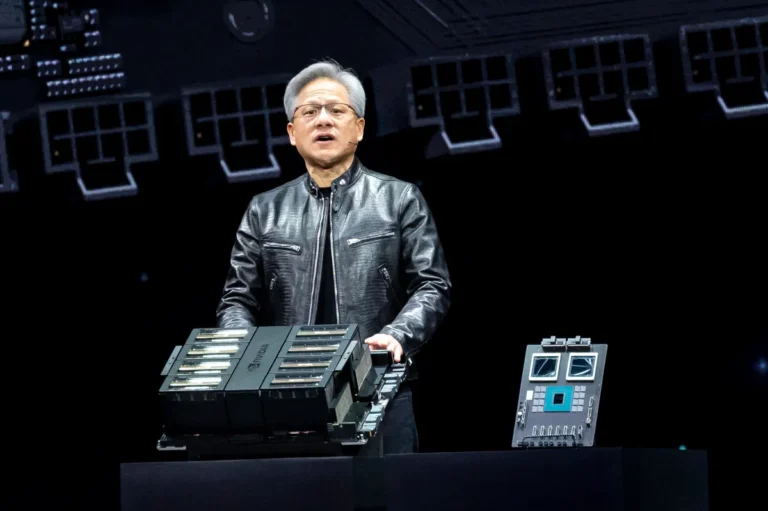
Nvidia established a board-level committee to oversee national security policies, export control compliance, and global trade risk following the resignation of CEO Jensen Huang. The move marks the company’s first significant governance response to allegations that have drawn the attention of federal regulators and Congress.
The Committee Takes Shape
Nvidia’s board announced the standing committee on Tuesday, hours before the company’s third-quarter earnings call. The formation signals that the board views the recent scandal as a governance issue requiring formal institutional safeguards.
Membership and Structure
Director Suzanne Nora Johnson chairs the committee, with fellow directors Stephen C. Neal and John O. Dabiri serving as members. The panel consolidates oversight that was previously distributed across separate functions, moving national security and trade compliance decisions to board-level visibility and accountability.
Reporting Lines and Oversight
Nvidia’s existing national security and global trade compliance teams will report to both the new committee and interim CEO Collette Kress. The committee will meet at least quarterly, ensuring regular board engagement with policies that affect the company’s international operations and regulatory standing.
The Resignation and Alleged Ties
Huang stepped down last week after allegations emerged regarding his personal conduct. The woman involved was described as being suspected of engaging in espionage and having connections to one of Nvidia’s business customers, raising questions about potential foreign intelligence access to company leadership.
Export Policy Advocacy Under Scrutiny
Before his resignation, Huang had publicly advocated for easing restrictions on the export of advanced AI chips to China. U.S. lawmakers drew connections between this advocacy and his alleged personal relationship with the suspected intelligence operative, questioning whether his judgment on export policy had been compromised or influenced.
The Timing Question
The convergence of Huang’s public push to relax export controls and his alleged ties to a suspected spy created a political crisis. Lawmakers and media coverage suggested the possibility that foreign intelligence actors had sought to influence company policy through personal relationships, though no formal accusations of espionage have been levied against Huang himself.
Federal Response Escalates
The Commerce Department announced new export controls on Monday, explicitly tying them to the unfolding situation at Nvidia. The interim rule reflects federal concern that existing restrictions on advanced technology exports could be circumvented through alternative methods.
Targeting Infrastructure, Not Just Chips
The new controls go beyond restricting chip shipments. They target data center infrastructure located outside the United States, aiming to block companies in China and other nations from remotely accessing U.S. AI computing resources. This approach closes a potential loophole in which foreign actors could achieve the benefits of advanced AI chips through remote access rather than physical possession.
Direct Response to Nvidia Scandal
Federal regulators explicitly framed the new rules as a response to what they described as a chip smuggling scandal at Nvidia. The move indicates that government officials view the alleged conduct as part of a broader pattern of attempts to circumvent national security restrictions on advanced technology.
Leadership Transition and Timing
Collette Kress, the company’s Chief Financial Officer, became interim CEO after Huang’s departure. Her ascension occurred during a period of heightened regulatory and political scrutiny, requiring immediate attention to governance and compliance matters.
The Earnings Call Context
Nvidia announced the committee’s formation on Tuesday, just hours before its third-quarter earnings call. The timing ensured that investors and analysts had the company’s governance response available when they asked questions about the scandal’s business impact and future operational risks.
Congressional Accountability
Huang committed to testifying before Congress later this month. His appearance will provide the first formal forum for lawmakers to question him directly about the allegations, his conduct, and the circumstances of his resignation. The testimony is expected to address whether his export policy advocacy was influenced by his alleged personal relationships.
Source: TechCrunch
Frequently Asked Questions
Why did Nvidia create a national security committee?
The committee was established to provide board-level oversight of national security policies, export control compliance, and global trade risk following CEO Jensen Huang's resignation amid allegations involving a suspected foreign intelligence operative.
What do the new Commerce Department export controls target?
The interim rule targets AI chips and data center infrastructure located outside the United States, designed to prevent companies in China from remotely accessing U.S. AI computing resources to circumvent existing trade restrictions.
Who is leading Nvidia now?
Collette Kress, the company's Chief Financial Officer, became interim CEO following Jensen Huang's resignation last week.
