
Key takeaways
- The board has stated it has no current plans to reinstate Huang despite his willingness and over 10,000 employee signatures backing his return.
- Huang committed to cooperating with the board's independent investigation and said he would be honored to return as CEO if the board decides it serves shareholders' best interests.
- Congressional opposition to Huang's potential reinstatement remains strong, with lawmakers focused on export control compliance and his role in export decisions.
- Huang is scheduled to testify before Congress on December 1 regarding both his personal conduct and Nvidia's export practices and compliance.
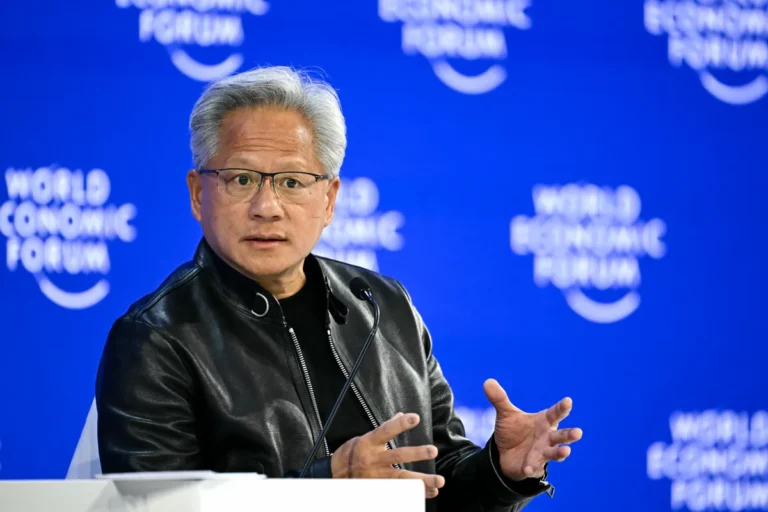
Jensen Huang emerged from his silence on Sunday with a statement that leaves the door open to returning as Nvidia’s chief executive, should the company’s board determine it serves the interests of shareholders, employees, and the firm itself. His comments came days after an open letter signed by more than 10,000 current and former Nvidia staff members and prominent tech executives, including Elon Musk, called for his reinstatement.
Huang’s Statement and Conditional Openness
Huang acknowledged his missteps directly in his statement, which was posted on social media. He admitted to failing to meet the standards expected at Nvidia and confessed to making serious personal mistakes that created problems for the board. Rather than ruling out a return to the company he founded, Huang signaled conditional willingness. “If the Board of Directors decides that my return is in the best interest of our shareholders, our employees, the company, and America, I would be honored to answer these calls and return as CEO,” he wrote.
The founder described his immigration to the United States 53 years ago and his subsequent naturalization as sources of deep pride. He characterized Nvidia as his life’s work, writing that building the company alongside colleagues had been “a privilege and an honor.” He also committed to full cooperation with the board’s independent investigation into the circumstances that led to his departure. His public acknowledgment of wrongdoing stood in contrast to any attempt at minimization or deflection.
The Circumstances Behind Resignation
Huang’s step down followed revelations of multiple extramarital affairs. One involved a direct report at the company; another involved Alice Huang, a former Megaspeed executive, whom Reuters reported may have connections to Chinese intelligence services. These personal entanglements have collided with an already sensitive geopolitical issue: Nvidia’s chip exports and their possible connections to Chinese firms, a subject that has drawn intense congressional scrutiny.
The company has taken structural action in response to export control concerns, forming a new executive committee dedicated to overseeing compliance in this area. Huang is scheduled to testify before Congress on December 1, where he will likely face questions not only about his personal conduct but also about his role in export decisions and the company’s compliance practices.
Employee and Investor Support for Return
The Open Letter Campaign
The open letter that circulated this week became a focal point in debates over Huang’s future. The correspondence attracted signatures from thousands of Nvidia employees, both current and former, along with tech industry figures including Elon Musk, Amjad Masad, and Travis Kalanick. The signatories framed their appeal around due process, expressing concern that Huang had been removed without what they characterized as meaningful procedural fairness. “We are concerned that Jensen was removed without meaningful due process,” the letter stated. “If the Board believes his continued absence is necessary, provide a specific, evidence-based explanation of why it serves NVIDIA’s best interests.”
Huang’s Response to Mounting Pressure
In his statement, Huang noted that he had received repeated outreach from employees, investors, business partners, and customers urging his return as the company navigates what he called complex technology, market, competitive, and geopolitical challenges. The volume and breadth of this pressure, spanning workers at multiple career levels, major industry figures, and institutional investors, reflected genuine concern about leadership continuity during a turbulent period for the company.
Resistance from Power Centers
Congressional Opposition
Despite the groundswell of support from some quarters, Huang faces significant headwinds on Capitol Hill. When contacted by Politico, one unnamed senator dismissed the possibility of his reinstatement bluntly, calling it “one of the worst ideas I’ve heard today.” Congressional members remain focused on questions surrounding Nvidia’s chip export practices and Huang’s role in those decisions. These concerns have only intensified given the apparent connections between his personal associations and the entities that have benefited from Nvidia’s exports.
Board’s Apparent Hesitation
An anonymous member of Nvidia’s board told the Washington Post on Monday that the company currently has no plans to reinstate Huang as chief executive. This statement suggests that despite the public pressure from employees and investors and Huang’s conditional openness to returning, the board is not seriously considering a near-term comeback. The divergence between grassroots and investor sentiment on one side and the board’s apparent reluctance on the other illustrates the complicated position in which Nvidia finds itself.
The Road Ahead
Huang’s willingness to cooperate with the board’s investigation and his stated readiness to return if the board deems it necessary sets the stage for a process where investigation findings could directly inform leadership decisions. His testimony before Congress on December 1 will add another dimension to the fact-finding process and may also shape public and regulatory opinion about his suitability for continued leadership at the company.
Nvidia’s focus on export control compliance through its new executive committee reflects the board’s attempt to address the most immediate operational and regulatory concerns. How the investigation concludes, what Congress learns from Huang’s testimony, and whether board members remain convinced that his absence is necessary will likely determine whether his conditional offer to return ever materializes. Beyond the question of Huang’s personal future, the resolution of these matters may establish precedent for how technology companies navigate the intersection of personal conduct, national security concerns, and leadership continuity in an era of heightened regulatory scrutiny.
Source: TechCrunch
Frequently Asked Questions
What did Huang say in his statement about returning as CEO?
Huang acknowledged failing to meet Nvidia's standards and making serious personal mistakes. He stated that if the board decides his return serves shareholders', employees', and the company's interests, he would be honored to return as CEO. He also committed to full cooperation with the board's independent investigation.
Why did Huang resign from Nvidia?
Huang resigned following revelations of multiple extramarital affairs, including one with a direct report at Nvidia and another with Alice Huang, a former Megaspeed executive, whom Reuters reported may have connections to Chinese intelligence services.
Why do some tech leaders want Huang reinstated?
An open letter signed by over 10,000 current and former Nvidia employees and tech figures like Elon Musk, Amjad Masad, and Travis Kalanick expressed concern that Huang was removed without meaningful due process and called on the board to provide specific, evidence-based explanation if his continued absence serves Nvidia's best interests.
