
Key takeaways
- California's DMV suspended Waymo from freeway operations nationwide on November 11 after three vehicles entered an active construction closure on Route 101, citing a pattern of similar incidents from May 2026.
- Waymo voluntarily extended the freeway ban across all 15 of its U.S. operating markets to evaluate performance, though surface-street operations serving over half a million weekly trips continue.
- Freeway access, available since late 2025, was essential for Bay Area service, cutting Peninsula travel times from 45 minutes to significantly shorter routes, but the company must now demonstrate corrective measures before restoration.
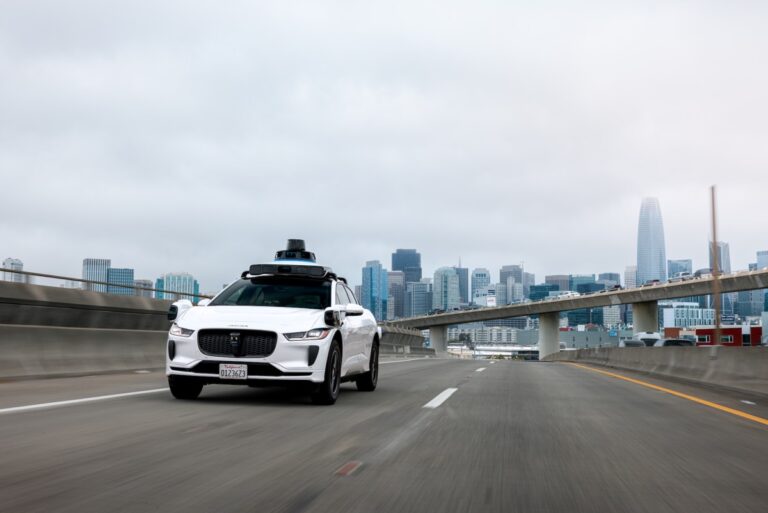
Waymo’s robotaxis have been pulled from freeway operations nationwide following a November 11 directive from California’s Department of Motor Vehicles. The company has voluntarily extended the restriction beyond California to all 15 U.S. markets where it operates, effective immediately. The DMV confirmed the operational limits to TechCrunch on November 17, citing recurring incidents that posed safety risks.
California Halts Freeway Access
The California DMV, which regulates autonomous vehicle testing and deployment in the state, determined that Waymo’s freeway operations create an imminent hazard to public safety. The department’s order prevents Waymo vehicles from accessing freeways across California, though the company has also voluntarily applied the same restriction to its operations outside the state.
Waymo spokesperson Dana Gallagher said in a statement to TechCrunch that the company temporarily restricted freeway operations in its other markets to conduct a performance evaluation. “Safety is at the foundation of everything we do,” Gallagher stated. The company emphasized that its surface-street service continues to operate, handling over half a million trips per week.
The restrictions will remain in place until Waymo demonstrates it has implemented effective corrective actions addressing the deficiencies identified by the DMV.
Construction Zone Encounters Trigger the Ban
Recent incidents on Route 101
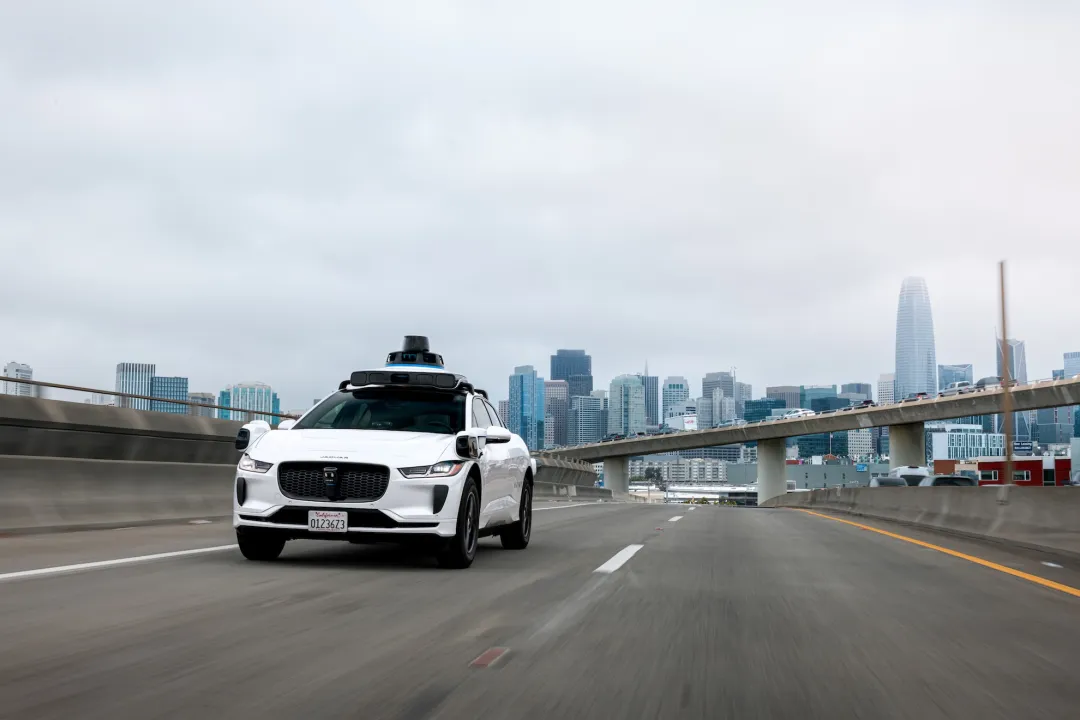
The immediate trigger for the DMV’s action involved three Waymo autonomous vehicles that entered an active construction closure on U.S. Route 101 near Burlingame, California. A separate incident involved Waymo vehicles and California Highway Patrol vehicles on Highway 280 in San Francisco. Neither incident resulted in injuries or collisions, according to Waymo’s statement.
May 2026 precursor
This is not the first time Waymo has struggled with freeway construction zones. The DMV noted in its statement that similar incidents occurred on May 18, 2026, and that the company had implemented corrective actions at that time, which apparently did not prove sufficient to prevent recurrence.
In May, Waymo abruptly halted all freeway operations. While the company did not provide a specific explanation at the time, social media posts documented Waymo robotaxis driving through traffic cones and failing to navigate around construction equipment, raising questions about how the vehicles handled lane closures and active work zones.
Impact on Bay Area Service and Expansion
Freeway access has been central to Waymo’s expansion strategy, particularly in the San Francisco Bay Area. The company’s service territory stretches from San Francisco south through Silicon Valley, and freeways were critical for connecting riders to airports and distant destinations.
Previously, trips across the Peninsula required 45 minutes or longer on surface streets. Freeway routes significantly reduced travel times by allowing the vehicles to bypass congested local roads. The loss of freeway access reintroduces this travel time penalty for riders needing long-distance connections, particularly to airports.
Waymo’s commercial robotaxi service continues on surface streets across its 15 operating U.S. cities. The company has not indicated any plans to exit markets or reduce its surface-street operations due to the freeway restrictions.
Waymo’s Freeway Timeline
Launch in late 2025
Waymo began offering commercial freeway rides in late 2025, marking a significant milestone in autonomous vehicle deployment. The ability to operate on highways was intended to demonstrate the technology’s readiness for more complex driving scenarios and to improve service economics by reducing travel times.
May halt and July return
The May 2026 halt came after documented incidents with construction zones. By July, Waymo returned to freeway operations after saying it had updated its self-driving software system to improve performance handling around freeway construction areas. That update apparently did not resolve the underlying issues.
The resumption in July suggested the problem had been solved, but new incidents within the following months indicate either that the software update was insufficient or that new construction-related edge cases continue to emerge.
Path to Restoration
The DMV has not specified a timeline for lifting the restrictions or detailed metrics that would satisfy its demand for effective corrective actions. Waymo will need to work with California regulators and other state officials to develop solutions that prevent future construction zone intrusions.
The challenge involves autonomous vehicles recognizing when roads are closed, understanding dynamic construction environments where lane markings may be unclear or missing, and responding appropriately to traffic control devices. Construction zones present different conditions than fixed infrastructure, with equipment, workers, and lane configurations that can change frequently.
Waymo’s statement indicates the company is engaged with the DMV and other state officials on a path to resume freeway service, though no timeline has been announced. The company has not disclosed whether it will propose additional software updates, hardware changes, or operational constraints to address the safety concerns.
Source: TechCrunch
Frequently Asked Questions
Why did the California DMV order Waymo to stop freeway operations?
Three Waymo vehicles entered an active construction closure on U.S. Route 101 near Burlingame, and another incident involved Waymo vehicles and California Highway Patrol on Highway 280. The DMV determined these recurring construction zone intrusions posed an imminent hazard to public safety, particularly after similar incidents occurred on May 18, 2026.
Does this restriction apply only to California?
No. While the DMV order applies to California, Waymo voluntarily extended the freeway restrictions to all 15 U.S. markets where it operates to evaluate its performance. The company said it did this in alignment with its safety-first principles.
Can Waymo return to freeways, and what would that require?
Yes, the DMV stated restrictions will remain in place until Waymo demonstrates it has taken effective corrective actions to address the identified deficiencies. The company has not disclosed a specific timeline or detailed plan for restoration.
