
Key takeaways
- Google Photos' AI-powered virtual closet, inspired by "Clueless," is now available in the U.S., Brazil, and India on both Android and iOS after rolling out to Android first in June.
- The feature organizes your wardrobe by analyzing photos of your clothing, allowing you to filter items by category and mix-and-match outfits digitally while keeping style data private from retailers.
- Google Photos also received updates to Gemini Spark for single-prompt photo selection, enhanced Markup editing tools with redacting and font options, and new Moods filters that mimic vintage film aesthetics on Android.
Google’s new feature for its Photos app takes inspiration from a 1995 comedy to solve a modern wardrobe problem. An AI-powered virtual closet, which organizes your clothing based on photos you’ve taken, is now available in the U.S., Brazil, and India on both Android and iOS devices.
The Feature Arrives
The company announced the tool earlier this year and began rolling it out over the summer. Android users received access first, starting in June, and the feature has now expanded to all iOS users in the supported markets. This staggered approach gave Google time to test and refine the experience before the broader release.
How the Virtual Closet Works
AI-Powered Organization From Your Photo Library
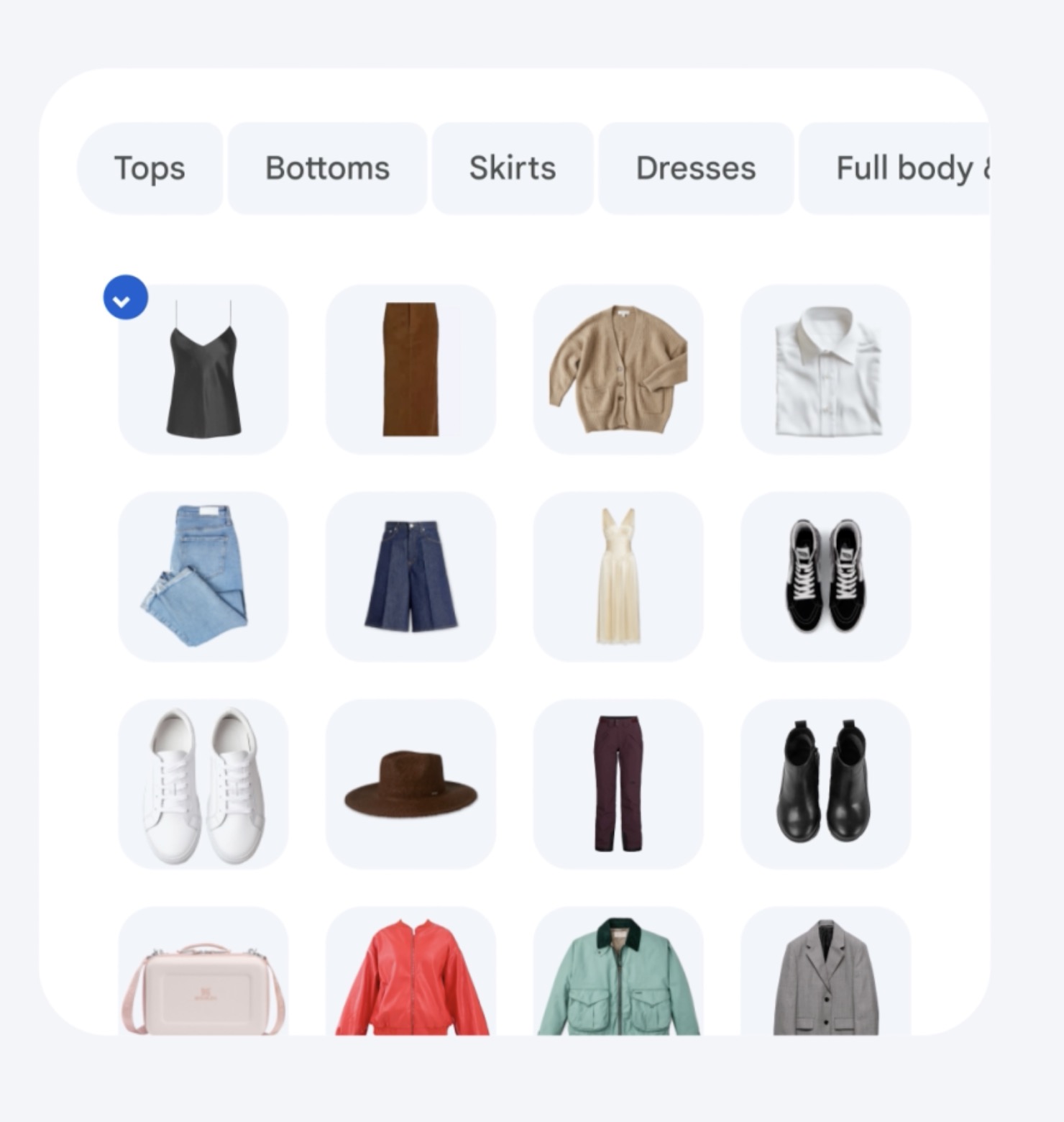
The virtual closet uses artificial intelligence to catalog your wardrobe by analyzing photos where you’re wearing the items. Rather than requiring manual entry or separate uploads, the feature extracts clothing from your existing photo library—a significant advantage given that most smartphone users have thousands of images already stored in Google Photos. This removes a major barrier to adoption: you don’t need to restart your wardrobe documentation from scratch.
Building and Testing Outfit Combinations
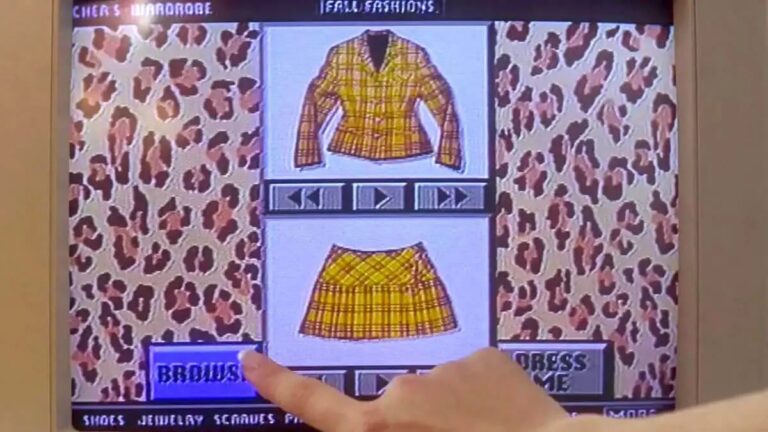
From the app, you can sort pieces by category: tops, bottoms, jewelry and more. This organization unlocks the ability to mix and match pieces on screen, testing potential outfit combinations before putting them on in the real world. The concept echoes a fictional device from the movie “Clueless.” In the 1995 film, Cher’s digital wardrobe application symbolizes her lavish Beverly Hills lifestyle, a visual joke about having so many clothes that organization itself requires technology. Google’s version serves a practical function for the average person—no Beverly Hills fortune required.
Privacy and Commercial Implications
Google’s Privacy Commitment
Google states that data about what you wear and how you dress is not shared with third parties, including retailers. This privacy stance matters as fashion companies increasingly track consumer behavior and preferences in order to target advertising and refine their product recommendations. By keeping your style data within Google’s system, the company is positioning the feature as a personal tool rather than a marketing pipeline for the fashion industry to exploit.
Risks and Sensitivity of Wardrobe Data
The privacy commitment, while stated clearly by Google, will likely face scrutiny as the feature gains users. Data about personal style choices can reveal identity, socioeconomic status, size, age, and other demographic information that companies would gladly purchase. Google’s promise not to share this with retailers will need to hold as commercial pressure and monetization opportunities increase. The company has a track record of aggressive targeting and data sharing, so enforcement of this promise matters for users considering adoption.
Companion Features and Updates
Gemini Spark and Photo Selection
The virtual closet arrives alongside several other additions to Google Photos. The Gemini Spark feature, which requires a Google AI Pro or Ultra subscription in the U.S., now lets you select, brighten, and share photos with a single text prompt. This consolidates what previously required multiple separate actions into one conversational request to the AI system.
Enhanced Editing and Markup Tools
Markup, the app’s built-in editing tool, received an upgrade. Users can now apply a redacting pen to blur sensitive information such as license plates, adjust sketch thickness using precise sliders, and select from multiple fonts when adding text overlays to images. These additions address common editing needs without requiring users to leave the Photos app or switch to a separate tool.
New Filters, Remix, and Moods
Remix templates, which use AI to transform photos, have also expanded with new options available to all users. Android users specifically gain access to Moods, a new filter suite that applies artistic effects to photos. The filters mimic vintage camera aesthetics: 35mm film stock, 2000s digicam styles, and others. These bring to mind the preset film emulation tools that became popular in phone photography over the past decade, now integrated directly into Google’s ecosystem.
The Clueless Parallel and Cultural Context
The reference to “Clueless” carries cultural weight. The 1995 film has experienced a resurgence in recent years, with its portrayal of technology, fashion, and teenage life aging into something between period piece and inadvertent prophecy. The virtual closet joke—a tool so absurd in 1995 that it worked as satire about wealth and excess—has become a genuine consumer product in 2026. This pattern repeats across technology history: video calls, voice assistants, recommendation algorithms, and gesture-based interfaces all existed as speculative fiction before becoming everyday tools. Cher’s closet app represents another moment where the impossible becomes mundane, though without requiring quite as much wealth to access.
Market Strategy and Competitive Positioning
The staggered rollout and feature priority reveal where Google sees opportunity. Launching first on Android in June, then expanding to iOS, allowed the company to refine the experience before its broader release. The choice of three initial markets—the U.S., Brazil, and India—represents significant populations with high smartphone adoption and diverse fashion cultures across different economic levels.
Digital wardrobe management isn’t new; fashion apps and closet organizers already exist in app stores. Google’s advantage rests on its control of the Photos library itself. Extracting clothing items from an existing archive of thousands of photos, rather than requiring users to manually photograph or upload their wardrobe separately, removes a critical friction point from adoption. Most people have been taking photos of their outfits for years without the intention of building a wardrobe app; Google is simply repurposing that data stream.
The feature sits at the intersection of two growing areas in consumer AI: personal data organization and visual analysis. Google’s Photos app generates a constant stream of images from device cameras and screenshots. Building intelligence into that library—extracting objects, organizing by context, suggesting actions—makes the app increasingly central to how people manage their digital lives. For now, the tool is live in three markets, and if the rollout pattern holds, other regions will likely see it in the coming months.
Frequently Asked Questions
Which countries and devices can access Google Photos' virtual closet?
The feature is available in the U.S., Brazil, and India on both Android and iOS devices. Android users gained access first in June, followed by iOS users in the broader rollout.
How does the virtual closet organize your clothing?
The feature uses AI to analyze photos where you're wearing items, extracting pieces from your existing photo library and categorizing them by type (tops, bottoms, jewelry, etc.). You can then mix and match pieces to test outfit combinations.
Does Google share my wardrobe data with third parties?
No. Google states that data about what you wear is not shared with third parties, including retailers, and remains within Google's system.
