
Key takeaways
- India's UPI will charge merchants 0.4% on transactions above ₹2,000 starting October 15, ending six years of free processing and introducing the first sustainable revenue model for the network.
- The fee structure exempts payments under ₹2,000 and small merchants earning below ₹100,000 monthly, protecting over 95% of transaction volume while keeping UPI cheaper than credit or debit cards.
- NPCI cites annual operating costs of ₹200 billion ($2.1 billion) for running the network at scale, with collected fees funding infrastructure, cybersecurity, and a rural expansion fund.
- Payment companies like Paytm, PhonePe, and Razorpay will benefit from fee distribution, though merchants cannot pass costs to consumers and may consider alternative payment methods for larger purchases.
India’s Unified Payments Interface will begin charging merchants a transaction fee this month, marking the end of a six-year period during which the nation’s dominant digital payments network operated without merchant costs. The National Payments Corporation of India, which operates UPI, announced on Tuesday that a 0.4% fee will apply to transactions exceeding ₹2,000 (roughly $21) beginning October 15.
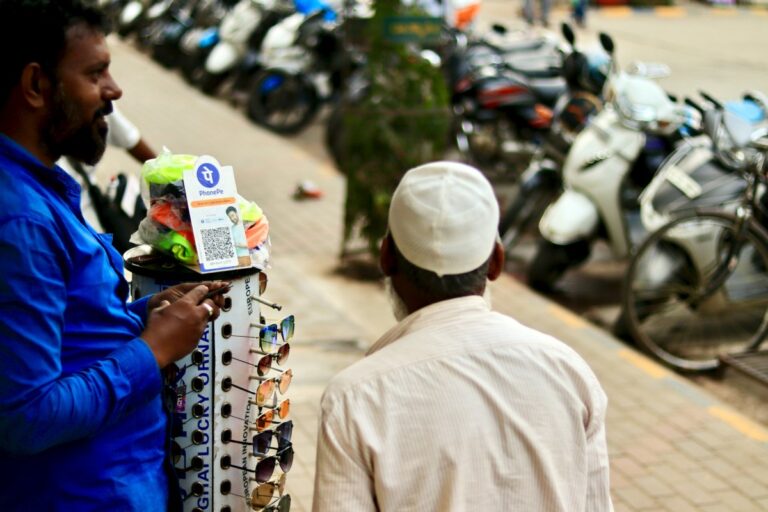
The introduction of merchant fees represents a fundamental economic shift for a payments system that has grown into critical infrastructure for India’s digital economy. UPI processed 24.51 billion transactions totaling ₹29.9 trillion (approximately $312 billion) in August alone, according to data released by NPCI. The system’s zero-cost structure for merchants helped drive this explosive adoption, making QR code payments a ubiquitous sight across Indian markets and storefronts.
The Fee Structure and Payment Thresholds
The new fee regime creates several tiers designed to protect smaller transactions and merchants. Payments of ₹2,000 or less will incur no merchant charge, a threshold that covers more than 95% of UPI merchant transactions by volume. For transactions above this limit, merchants will pay 0.4% up to a maximum of ₹300 (about $3) per transaction. This cap applies to payments of ₹75,000 (roughly $783) or higher.
Small merchants present another exemption: those receiving up to ₹100,000 (approximately $1,041) monthly through UPI will not face any charges. Consumers, meanwhile, will continue accessing UPI without direct payment, maintaining the service’s appeal to end users.
How UPI Fees Compare to Other Payment Methods
Credit card processing typically costs merchants between 1.5% and 2.5% per transaction, while debit card fees are capped at 0.9%, according to NPCI’s official guidance. The new 0.4% UPI rate sits well below both, positioning the network as considerably cheaper than traditional card payments even after the introduction of fees. NPCI explicitly argues this difference is low enough that merchants can absorb the cost without raising consumer prices.
Why India Is Ending the Free Ride
The Indian government scrapped merchant fees entirely in January 2020 to accelerate adoption, using subsidies to compensate banks and payment processors for their work. This strategy succeeded spectacularly in building UPI into a national backbone for digital commerce, payments between individuals, and government disbursements. However, operating a network of this scale has become expensive.
NPCI estimates the annual cost of running UPI—including server infrastructure, fraud detection systems, and customer support—at roughly ₹200 billion ($2.1 billion). As transaction volume exploded, the mathematics of maintaining a free service while bearing these costs became unsustainable. India’s central bank, regulators, and NPCI itself concluded that merchant fees were necessary to put the system on firmer financial footing.
Government Action Paved the Way
The policy shift followed regulatory groundwork laid in August, when New Delhi amended India’s payments law to permit merchant fees on certain UPI transactions. A formal notification issued on Monday specified that banks cannot levy charges on UPI payments up to ₹2,000, effectively creating the legal framework for the fee structure announced the following day. This sequence ensured that any charges would apply only to larger transactions while protecting the mass of daily payments.
Who Wins and Who Pays
The new fee structure will distribute revenue across the payments ecosystem. NPCI stated that collected fees will support infrastructure investment, cybersecurity, fraud prevention, and customer service improvements. However, NPCI declined to disclose how much revenue it expects to generate, how the money will be divided among ecosystem participants, or the methodology behind its cost estimate.
Fintech Companies Set to Benefit
Payment firms that have invested heavily in UPI infrastructure stand to gain. Paytm, Pine Labs, and the IPO-bound duo of PhonePe and Razorpay all process substantial UPI volume and will receive a portion of the collected fees. For these companies, the shift transforms a cost center into a revenue stream, potentially improving the economics of their payment processing businesses.
Merchants Face a New Operating Expense
Despite NPCI’s confidence that 0.4% is absorbable, businesses will absorb a cost that did not previously exist. Merchants cannot legally pass the fee to customers or charge different prices based on payment method. For sectors with thin margins—small restaurants, local retailers, or market vendors—even a small percentage charge affects profitability. The real-world impact will only become apparent once the fees take effect and merchants decide whether to adjust their operations or business mix.
Protecting UPI’s Competitive Edge
UPI’s primary strength has always been cost: free for consumers, free for merchants, and ubiquitous in adoption. Introducing fees threatens to complicate this story, particularly for larger transactions where merchants might reconsider payment options. To mitigate this risk, NPCI designed the fee structure around transaction volume rather than merchant count. Since payments of ₹2,000 or less account for over 95% of UPI transactions by number, the vast majority of payment activity remains unaffected.
Krishnamurthy Subramanian, a former chief economic adviser to the Indian government, raised a broader question on social media: whether UPI should be viewed as digital public infrastructure whose social benefits—reducing cash reliance, bringing informal businesses into the formal economy, and expanding digital access—extend beyond individual transaction costs. He questioned whether the opportunity cost of fees is justified by their revenue benefits. NPCI has not directly responded to this line of argument.
Rural Expansion and Infrastructure Investment
NPCI plans to allocate part of the collected fees toward a new fund designed to expand digital payment infrastructure and merchant adoption in smaller cities and rural areas. The details of this fund will be worked out with India’s central bank over the next three months. This approach frames the fee increase not merely as a cost recovery mechanism but as a means to extend UPI’s reach to currently underserved regions.
The shift reflects a wider global pattern: digital payment networks eventually transition from subsidized adoption phases to sustainable, fee-based models as they mature. India’s UPI has now reached that inflection point, though its modest merchant fees and carve-outs for smaller transactions distinguish it from fully commercialized alternatives. Whether merchants view the change as a reasonable trade-off for continued access to UPI’s 1.5 billion daily users will shape the network’s competitive dynamics in the months ahead.
Frequently Asked Questions
When do India's new UPI merchant fees begin?
The 0.4% merchant fee on UPI transactions above ₹2,000 takes effect on October 15.
Which merchants and payments are exempt from the new UPI fees?
All transactions of ₹2,000 or less remain free for merchants, and merchants receiving up to ₹100,000 monthly through UPI are fully exempt. Consumers are never charged, regardless of transaction size.
Why is India introducing merchant fees on UPI now after six years?
NPCI estimates the annual cost of operating UPI at approximately ₹200 billion ($2.1 billion) for infrastructure, fraud prevention, and support. The government determined that merchant subsidies were no longer financially sustainable at UPI's current scale.
