
Key takeaways
- Apple's $2,000 iPhone Duo survived repeated accidental drops and pocket squashing, with the biggest user friction coming from Touch ID instead of Face ID, not durability concerns.
- The camera system is adequate for casual snapshots and Stories but lacks the telephoto lens and advanced features of the iPhone 17 Pro Max, eliminating it as a choice for photographers.
- The Duo's design actively discourages reflexive scrolling by requiring deliberate unfolding, shifting phone use toward intentional activities like split-screen multitasking and video watching.
- At launch, many apps lack Duo-specific optimization, including a frustratingly unreliable Google Search app, though most software remains functional despite visual compromises.
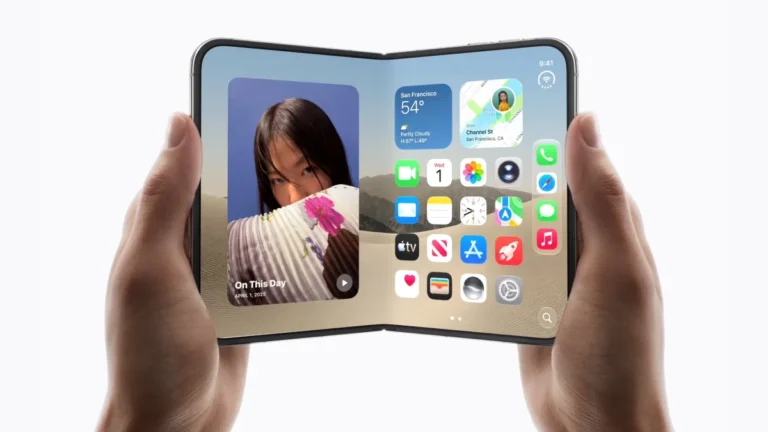
Apple’s iPhone Duo triggered something unexpected in a TechCrunch tech reporter: genuine anticipation. After years of receiving test devices as routine, the $2,000 foldable stirred enough interest that the reviewer found themselves doing financial math to justify the purchase, scrolling TikTok reviews of Duo cases, and seriously weighing an upgrade from the iPhone 17 Pro Max. When the device arrived just before a five-day vacation, they brought both phones along as an experiment. By the end of the trip, the Duo had won them over.
The Physical Device That Survived Neglect
The Duo’s compact folded form—short and squat compared to traditional slabs—raised immediate concerns about pocket fit and durability. According to TechCrunch’s real-world testing (mostly accidental), these worries were unfounded. The phone fit comfortably in front and back pockets even with a case attached. The reviewer, who carries phones in their back pocket habitually, sat on the device repeatedly without damage.
Drop Tests Nobody Planned
Durability proved genuine through unplanned drops. The Duo fell from table height twice and from bedside once, each time landing on concrete, tile, or wood floors. No cracks appeared on either screen, and the device continued functioning normally. These results aren’t professional drop tests, but they contradicted the fragility concerns someone clumsy with phones would reasonably harbor.
Dust Protection That Matters
The Duo carries an IP68 rating, making it dust-tight. This specification became relevant during a conversation with a former Samsung Galaxy Fold owner, who recounted sand destroying their previous foldable’s display during a beach trip—an issue common to earlier Android foldables. The Galaxy Z Fold 8, by comparison, rates IP48. The Duo’s higher dust resistance addresses a known vulnerability of the foldable category.
Touch ID in 2025: A Genuine Limitation
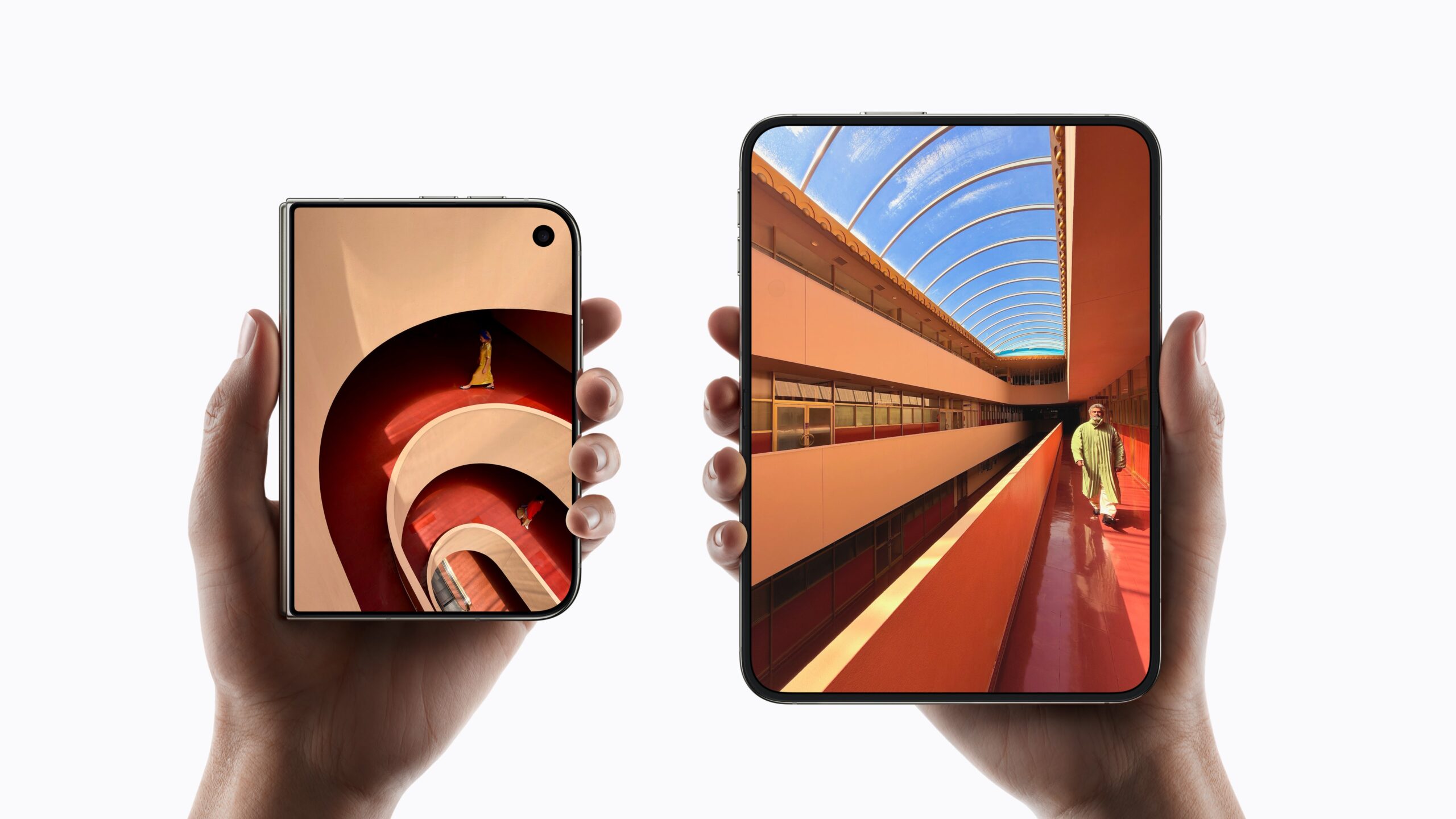
The biggest frustration emerged from returning to Touch ID instead of the iPhone 17 Pro Max’s Face ID. While the reviewer easily avoided using Touch ID to unlock the device—their Apple Watch served as an alternative authentication method—the limitation became immediately obvious during everyday interactions and especially at checkout.
The Checkout Problem
Apple Pay and app authentication required fingerprint confirmation in scenarios where hands were full: holding shopping bags, a purse, and a dog leash simultaneously while trying to pay created constant friction. The required hand position—cradling the phone to access the sensor with a thumb—demanded concentration. Fingers often didn’t sit quite right on the sensor, requiring readjustment. The rhythm of tapping a Face ID sensor-equipped phone felt dramatically smoother by comparison.
The Muscle Memory Question
According to TechCrunch’s experience, Touch ID became tolerable over the course of the trip but never felt natural. The psychological cost of switching authentication methods persists even after mechanical adaptation occurs. A future Duo version is said to support Face ID, which Apple clearly recognizes as preferable.
Cameras: Professional Aspirations Not Supported
The Duo carries two rear cameras; the iPhone 17 Pro Max has three. The Duo lacks a telephoto lens entirely, offers 10x digital zoom against the Pro’s 40x, and omits advanced features including ProRAW, ProRes, and specialized low-light processing. For photographers or content creators, the Duo cannot function as a primary device.
For ordinary use—the Instagram Stories, text message photos, and Lock Screen wallpapers that occupy most people’s camera workflows—the Duo’s system proved adequate. The reviewer found the processing occasionally oversmoothed fine details like tree leaves, and distant landscapes appeared flatter or overly smoothed. Low-light mountain photography suffered, though distinguishing camera limitations from actual haze in the Blue Ridge Mountains proved difficult.
Software Growing Into the Hardware
At launch, many apps lacked Duo-specific optimization, displaying black bars that cramped the already limited screen real estate when the phone remained folded. Google Maps functioned fine without updates, suggesting the limitation was often aesthetic rather than functional. The real annoyance came from Google Search, which froze repeatedly when using AI Mode. Force-closing the app became a required workaround.
The Irony of Google’s Search App
According to TechCrunch’s vacation testing, the most frustrating app was also the most-used. The reviewer relied on Google Search repeatedly to look up restaurants, distances between towns, weather, and points of interest. An unreliable Search app during travel felt particularly galling when Google faces declining search traffic partly due to AI integration, yet failed to prioritize app stability on Apple’s latest flagship device.
Most Apps Stay Functional
Developers have been rolling out Duo-optimized updates relatively quickly. Apps that haven’t been updated remain usable despite black-barred displays that look ugly when folded. The visual compromise felt like a minor tradeoff for functional compatibility with a nascent format.
Unfolding Less Than Expected
The reviewer anticipated spending significant time with the expanded screen. Reality differed. Unfolding attracted attention in ways slab phones never do. About half a dozen conversations emerged during the vacation—from other shoppers, restaurant servers, and business owners—all curious about the barely visible crease, the nano-texture matte finish on the inner screen (which reduces glare), whether sand could damage the display, and what the Kid Cue feature was. Some strangers asked to hold and fold the device. One person specifically wanted to see the Snoopy animations that Kid Cue displays on the outer screen to encourage children to look toward the camera.
Unfolding in public feels like a flex, which doesn’t always align with available time or mental energy. As the novelty wears off, this friction will likely diminish, but it currently affects how often the device moves from folded to open.
A More Intentional Phone
Beyond social dynamics, unfolding signals a shift toward intentional use. When the reviewer did unfold the Duo, it was for defined purposes: watching Netflix, using split-screen multitasking, or running two apps simultaneously—for instance, reading news in Inoreader while monitoring reactions on X. The split-screen gesture proved intuitive: swipe up from the bottom, then drag an app to the left or right edge, with helpful target boxes showing the destination zones.
Design Interrupts the Scroll Reflex
Traditional phones have grown larger, thinner, and more comfortable over years of refinement, conditioning users to reflexively open Instagram, TikTok, or casual games during moments of boredom. The Duo’s design interrupts this gravitational pull. The compact outer screen actively discourages time-wasting apps, but the effect runs deeper. Unfolding requires deliberate action, transforming phone use from an autopilot habit into a conscious choice. The fact that the best experiences require unfolding—split-screen multitasking, video watching, the expanded display—means casual scrolling becomes optional rather than the default.
This aligns with broader trends valuing deliberate technology engagement over reflexive use. The foldable format, combined with its design compromises, creates a device you open and use with purpose rather than one that constantly begs for attention.
Source: TechCrunch
Frequently Asked Questions
Is the iPhone Duo durable enough for everyday use?
According to TechCrunch's testing, yes. The Duo survived being sat on multiple times in a back pocket, dropped three times from table height and bedside onto concrete, tile, and wood floors, and hit with no cracks or breaks. It is rated IP68, making it dust-tight, which surpasses the Galaxy Z Fold 8's IP48 rating.
Why is Touch ID considered the Duo's biggest drawback?
Returning from Face ID on the iPhone 17 Pro Max, Touch ID creates friction during Apple Pay and app authentication, especially when holding multiple items at checkout. According to TechCrunch, muscle memory adaptation took time, and the process never felt as seamless as Face ID's automatic unlock.
Can you use the iPhone Duo for professional photography?
No. The Duo has two rear cameras with 10x digital zoom and no telephoto lens, compared to the iPhone 17 Pro Max's three cameras, 40x zoom, and ProRAW/ProRes support. TechCrunch noted it works for casual snapshots but lacks capabilities for photographers or content creators.
