
Key takeaways
- Tesla committed to selling the Cybercab to outside operators by year-end, after initially keeping all vehicles for its own robotaxi fleet.
- The company's timeline means third-party fleet operators could deploy fully autonomous vehicles before individual Tesla owners receive unsupervised Full Self-Driving in Q2 2026.
- NHTSA's investigation into whether the steering-wheel-free Cybercab meets safety standards poses an existential threat to the company's stated sales timeline and could affect the entire autonomous vehicle industry.
Tesla said during its third-quarter earnings call that it will begin selling its autonomous Cybercab to customers by the end of the year, a timeline that arrives even as federal regulators investigate whether the vehicle meets safety standards.
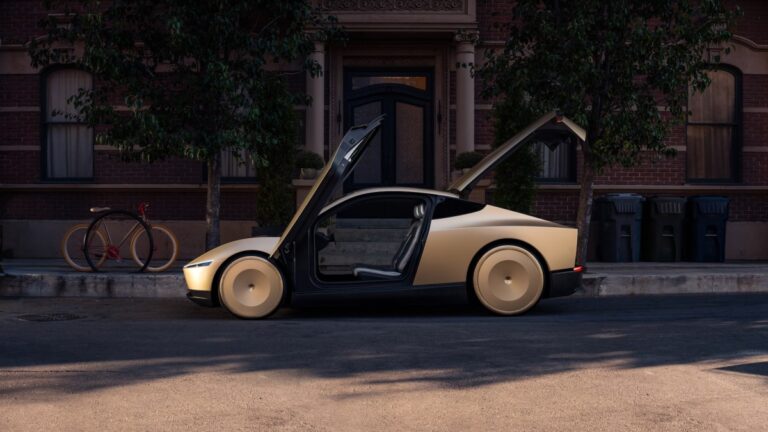
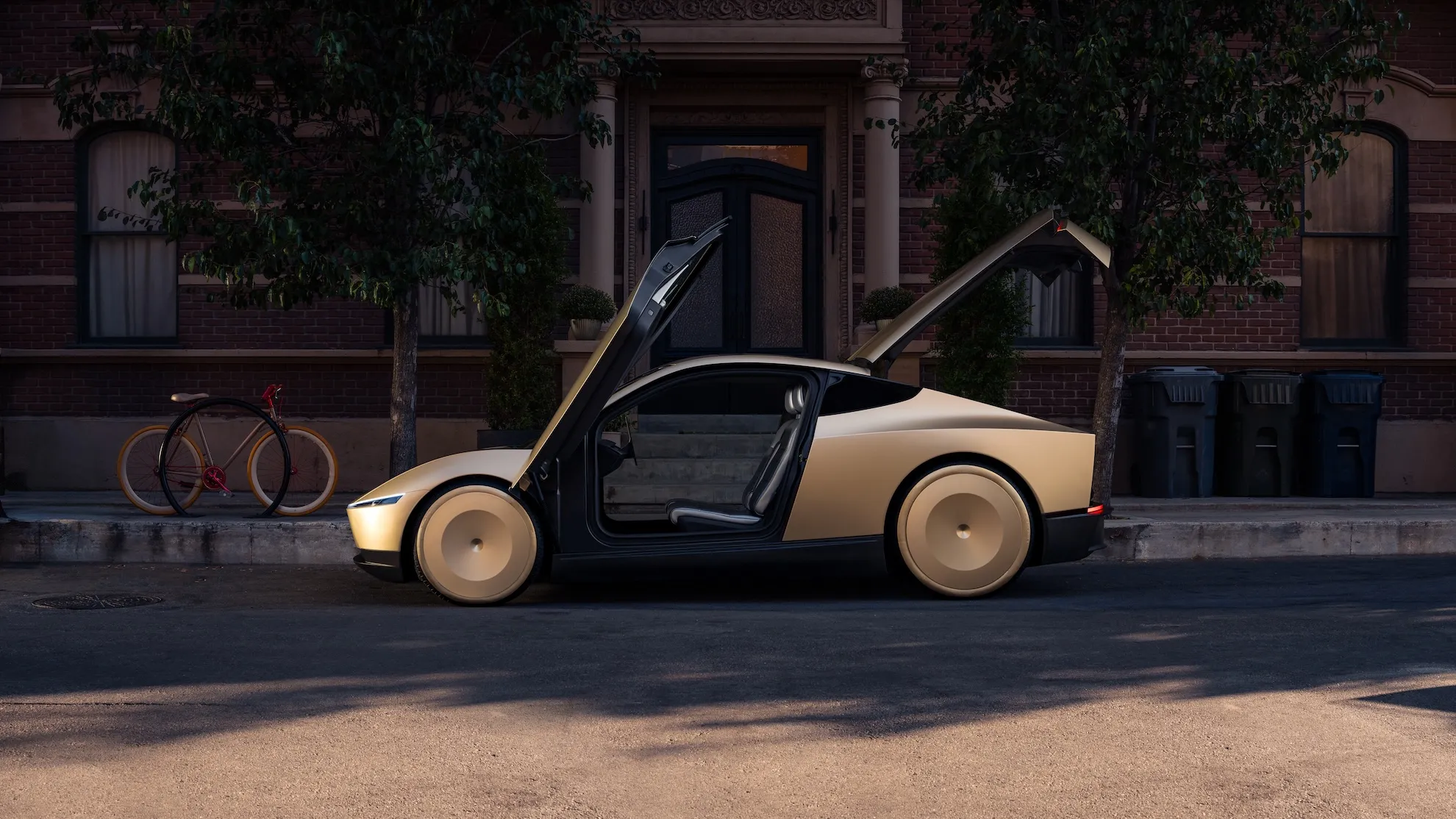
The Cybercab is a gold-hued, two-seat autonomous machine built without a steering wheel or traditional driving controls. During the call, Lars Moravy, Tesla’s vice president of engineering, outlined how the company plans to sell these vehicles. He stated that Cybercabs produced currently are all destined for Tesla’s own robotaxi fleet. As that fleet expands, the company intends to deliver fully autonomous vehicles to third parties, though it will start with limited volumes while it learns the operational challenges of managing ownership and fleet operations of driverless vehicles.
From Software Updates to Purpose-Built Vehicles
The announcement represents a significant shift in Musk’s long-standing vision for autonomous transportation. For years, the CEO has publicly discussed building a massive fleet of low-cost robotaxis, but his stated strategy centered on a simpler path: transforming privately owned Tesla vehicles into self-driving taxis through software updates alone. That plan has yet to materialize, a delay that has not gone unnoticed by customers or investors.
The Full Self-Driving Delay
Tesla owners can currently subscribe to Full Self-Driving (Supervised), an advanced driver-assistance system that automates numerous driving tasks but still requires the driver to take control when needed. The system continues to receive software updates intended to improve its capabilities, though a human driver must remain engaged and ready to intervene at any moment. Musk announced during the earnings call that the unsupervised version of Full Self-Driving would roll out to customers in the second quarter of 2026, which represents another significant delay. This timeline has frustrated many owners who purchased or subscribed to the software years ago, expecting autonomous capability much sooner.
A New Product Category
The Cybercab represents an entirely different approach from the incremental software updates strategy. Rather than adding autonomy to existing vehicles through updates, the Cybercab is a vehicle designed from the ground up as autonomous, with no provisions for manual control whatsoever. Musk positioned the Cybercab explicitly as a ride-hailing vehicle intended for transport-as-a-service operations, not personal ownership by consumers. “Cybercab is primarily going to be something that is offered as like transport as a service,” Musk said during the earnings call. He added that the vast majority of Cybercabs would be Tesla-owned and operated, with other vehicles like the Model 3, Model Y, and Roadster serving as the company’s consumer purchase options.
Third-Party Operators Ahead of Tesla Owners
Tesla first introduced the Cybercab concept last month during a company event in Austin, accompanied by an online form where interested parties could indicate their interest in purchasing robotaxis. At that time, it remained unclear whether Tesla would actually follow through with selling these vehicles to outside operators, or how such a program would function in practice. The earnings call provided concrete answers: customers interested in operating the Cybercab as a commercial robotaxi service would be able to acquire them, provided regulatory approval is obtained.
The Ownership Timeline Reversal
An unexpected consequence of the dual timelines is that third-party fleet operators could potentially gain access to fully autonomous vehicle technology before Tesla’s own customers do. Under the announced schedule, Cybercab fleet operators would receive their vehicles by year-end, while the unsupervised Full Self-Driving update for Tesla owners remains scheduled for Q2 2026. This reversal reflects Tesla’s strategic priorities: establishing a commercial robotaxi fleet that can demonstrate the technology’s viability and generate revenue directly, while keeping individual owners in a supervised mode for the foreseeable future.
The Regulatory Investigation
A significant obstacle could derail Tesla’s timeline. The National Highway Traffic Safety Administration opened an investigation into the Cybercab last month, initiating the probe just hours after the vehicles began operating on public streets in Austin. The investigation specifically examines whether the vehicle complies with Federal Motor Vehicle Safety Standards, the regulatory foundation for all vehicles sold in the United States.
The Missing Manual Controls
Current FMVSS rules mandate multiple manual controls and safety features that the Cybercab does not possess, including brake pedals, steering wheels, and rearview and side mirrors. Automakers traditionally self-certify their vehicles’ compliance with FMVSS requirements before bringing them to market, and Tesla followed that standard practice when certifying the Cybercab. However, the complete absence of manually operable controls creates a fundamental mismatch between the vehicle’s design and the safety standards that currently exist on the books.
A Potential Regulatory Path
The regulatory landscape may be shifting in a way that could help Tesla. The Department of Transportation recently proposed removing the manual control requirements for vehicles specifically designed to operate autonomously. Those proposed changes would create legal space for steering-wheel-free vehicles, though they remain proposals rather than finalized rules. NHTSA said it would investigate “the process and technical data on which Tesla relied when certifying the Cybercab and related issues.” The outcome of that investigation could determine whether Tesla or any manufacturer can legally operate autonomous vehicles without traditional safety controls. If NHTSA finds that current standards apply and are not met, the company’s year-end timeline would be at serious risk.
What Happens Next
Regulatory approval is not assured. If NHTSA determines that the Cybercab does not meet current safety standards and if the proposed exemptions for autonomous vehicles do not advance, the company’s stated timeline for customer deliveries could collapse entirely. The investigation represents a fundamental test of whether the existing regulatory framework can accommodate an entirely new category of vehicle, or whether Tesla and other manufacturers must wait for formal rule changes before proceeding. Until that regulatory question is resolved, the practical viability of Tesla’s year-end sales target remains uncertain. More broadly, the investigation’s conclusions could establish precedent for other automakers pursuing similar autonomous vehicle designs, making the regulatory outcome consequential far beyond Tesla’s own commercial plans.
Source: TechCrunch
Frequently Asked Questions
What is the Tesla Cybercab?
The Cybercab is a gold-hued, two-seat autonomous vehicle designed without a steering wheel or traditional driving controls. Tesla positions it as a ride-hailing service vehicle rather than a consumer purchase, with the company owning and operating the majority of them.
When will Tesla owners get unsupervised Full Self-Driving?
Tesla CEO Elon Musk announced during the earnings call that the unsupervised version of Full Self-Driving will roll out to customers in the second quarter of 2026, yet another delay for owners who have been waiting years.
Why is NHTSA investigating the Cybercab?
Federal Motor Vehicle Safety Standards require features like brake pedals, steering wheels, and mirrors that the Cybercab lacks. NHTSA opened the investigation to examine whether Tesla's self-certification that the vehicle meets safety standards is valid under current regulations.
