
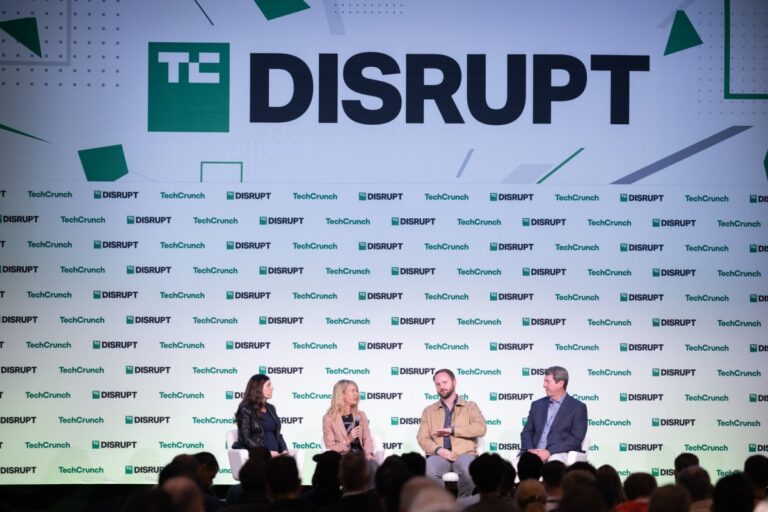
Key takeaways
- TechCrunch Disrupt 2026 runs October 13-15 at Moscone West in San Francisco with 10,000+ expected attendees; early-bird registration pricing up to $300 off expires August 21.
- The conference structures all programming around artificial intelligence development, reflecting where venture capital and founder strategy have shifted over the past 18 months.
- Disrupt serves distinct value for founders (compressed investor meetings), investors (deal sourcing and market assessment), hiring companies, and startup professionals building networks.
TechCrunch Disrupt 2026 will convene October 13-15 at Moscone West in San Francisco, bringing together more than 10,000 founders, investors, and startup ecosystem participants. Early-bird registration pricing—up to $300 below standard rates—expires Friday, August 21 at 11:59 p.m. Pacific time. Group purchase discounts are also available for firms and funds sending multiple team members.
AI Development as the Structural Framework
This year’s program divides into three main stages—Disrupt, AI, and Builders—organized around building companies in the artificial intelligence era. Rather than relegating AI to a dedicated track alongside other programming, organizers have made artificial intelligence foundational to the entire conference architecture. This structural choice reflects where startup capital and founder strategy have shifted over the past 18 months.
Venture capital has concentrated increasingly on AI infrastructure, applications, and tooling. Most startups now evaluate competitive strategy against an AI backdrop, whether building with artificial intelligence, selling AI products, or competing against AI-powered incumbents. By making AI central to all Disrupt programming rather than offering it as a specialty category, organizers acknowledge that investor conversations will inevitably include artificial intelligence topics. Treating AI as one track among many would understate its importance to 2026 startup strategy and capital allocation.
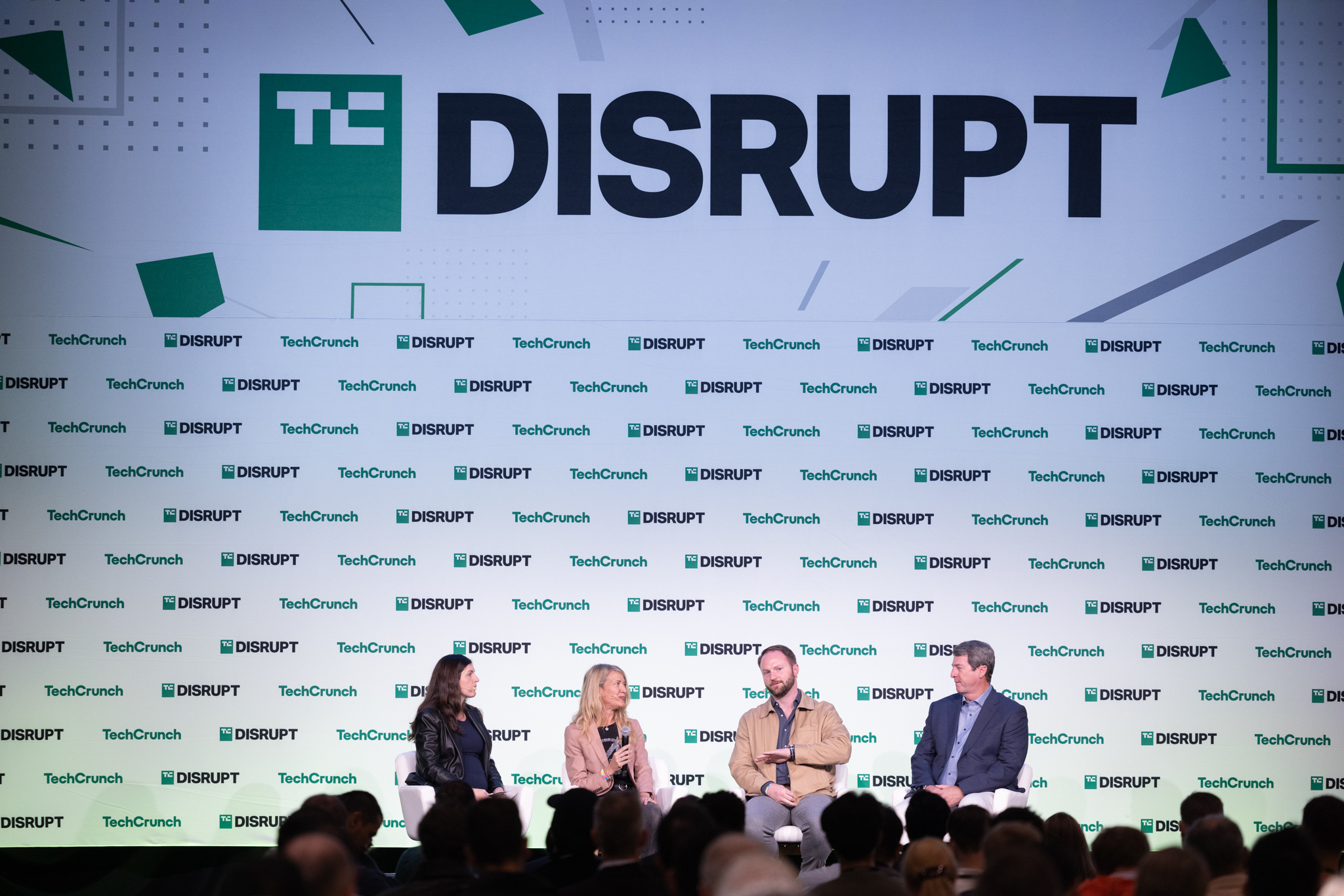
Compressed Fundraising for Founders
Time Compression and Investor Concentration
Disrupt’s primary value for founders is concentrating investor access within three days. Rather than spending months pursuing conversations with venture capitalists across multiple cities and managing calendar coordination, founders can schedule consecutive meetings with investors during the conference. Companies raising Series A or B capital benefit most directly. Founders encounter investors representing different fund sizes, geographies, and investment strategies, gaining perspective on how various investor types assess their company. Early-stage founders attend to understand how investor conversations typically unfold, what investors prioritize, and how to communicate startup strategy effectively.
Visibility Within the Ecosystem
Speaking opportunities on panels or participation in demo showcases provide founders with visibility within the investor and media community. Pitching in front of large audiences creates potential media coverage, helps founders refine their public messaging, and introduces their company to investors who may not have attended individual meetings.
Investor Deal Sourcing and Market Assessment
Pipeline Evaluation Beyond Inbound Channels
Investors rely on multiple sourcing channels including founder networks, other investors, and scouts from larger firms. Disrupt provides one additional channel: direct observation of founders pitching and presenting company strategy. Rather than reviewing hundreds of unsolicited pitch decks monthly, investors can evaluate a pipeline of founders presenting over three days. This allows them to assess founder communication skills directly, observe confidence levels, and discuss company strategy in real time.
Market Trend Identification
Watching dozens of founder pitches helps investors identify which market categories are attracting startup activity and capital. Observing where entrepreneurs are building and what problems they are tackling provides signal about emerging opportunities. Conversations with other investors about capital flows and talent attraction also shapes market assessment and influences investment decisions for larger fund allocations.
Recruitment and Employment
Companies with open positions in engineering, product management, design, and operations use Disrupt to access candidates already committed to startup environments. Recruiting teams conduct interviews during the event and often complete hiring conversations over the three-day period. Job seekers attend knowing they will encounter hundreds of actively recruiting companies in a single location. The self-selected nature of Disrupt attendance—professionals choosing to invest three days at a startup conference—typically indicates higher engagement and career commitment than general recruiting events.
Network Building Across Experience Levels
Entry Point for New Professionals
Students and early-career professionals use Disrupt as an entry point to understand how the startup ecosystem operates. They observe how founders pitch, how investors ask evaluative questions, and what topics shape startup strategy and capital allocation. Early-stage attendees build networks and assess whether startup environments match their career goals and interests.
Annual Check-In for Established Investors and Scouts
Established venture professionals, scouts from larger firms, and corporate development teams often attend Disrupt annually. The conference serves as a touchpoint for maintaining relationships, assessing market direction, identifying emerging companies, and spotting founders worth monitoring. These attendees bring deep experience and often make introductions between founders and investors or portfolio companies.
Strategic Partnerships and Business Development
Disrupt attendees frequently seek integration partners, enterprise customers, or co-founders. The concentration of startup ecosystem participants across three days creates opportunity for partnership conversations that might otherwise require weeks of separate business development efforts across multiple cities. Companies can discuss strategic alliances, technology integrations, and customer acquisition more efficiently in this compressed setting.
Timing, Location, and Logistics
October positioning places the conference far enough into the year that founders have collected several quarters of operational data and metrics to discuss with investors. Fundraising conversations that begin in October can still close before year-end, when many investors allocate capital on annual cycles. San Francisco’s status as the startup investment capital makes the Moscone West location significant—attendees traveling from other regions can justify flight and accommodation costs by scheduling multiple relevant meetings rather than traveling for a single conversation.
Disrupt has operated annually since 2011, making it one of the longest-running dedicated startup conferences in the United States. The event has persisted through multiple technology cycles and shifted investor priorities. The 2026 emphasis on AI-era building reflects where the industry’s attention and capital have genuinely concentrated, not a temporary response to trends.
Pricing and the August 21 Deadline
Early-bird pricing expires Friday, August 21 at 11:59 p.m. Pacific time. Registrations processed after that date will be charged standard rates without promotional discounts. The deadline occurs fewer than three days from publication. Group pricing discounts allow firms and funds to send multiple team members at reduced per-person costs, compounding the financial incentive to register before the promotional window closes.
Frequently Asked Questions
When does TechCrunch Disrupt 2026 take place?
Disrupt 2026 runs October 13-15 at Moscone West in San Francisco.
What is the deadline for early-bird pricing?
Early-bird registration pricing expires Friday, August 21 at 11:59 p.m. Pacific time. Registrations after that date will be charged standard rates.
How much can attendees save with early-bird pricing?
Early-bird registration offers up to $300 in savings below standard pricing. Group purchases receive additional discounts for teams and firms sending multiple attendees.
