
Key takeaways
- Utilities have begun securing partnerships with fusion startups to develop grid-connected power plants, with deals from Realta Fusion, CFS, Helion, Type One Energy, and Proxima Fusion targeting deployment between 2028 and the late 2030s.
- These partnerships provide startups with access to land, grid interconnection rights, engineering expertise, and regulatory assistance—resources that would otherwise require years and substantial capital to obtain independently.
- The shift in utility interest reflects both recent breakthroughs in fusion technology and urgent grid challenges: soaring electricity demand from AI data centers and the intermittency limitations of wind and solar power.
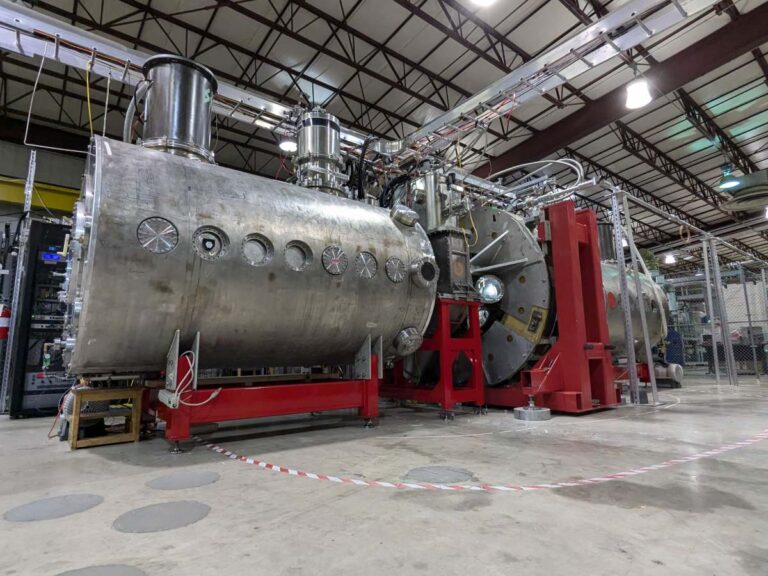
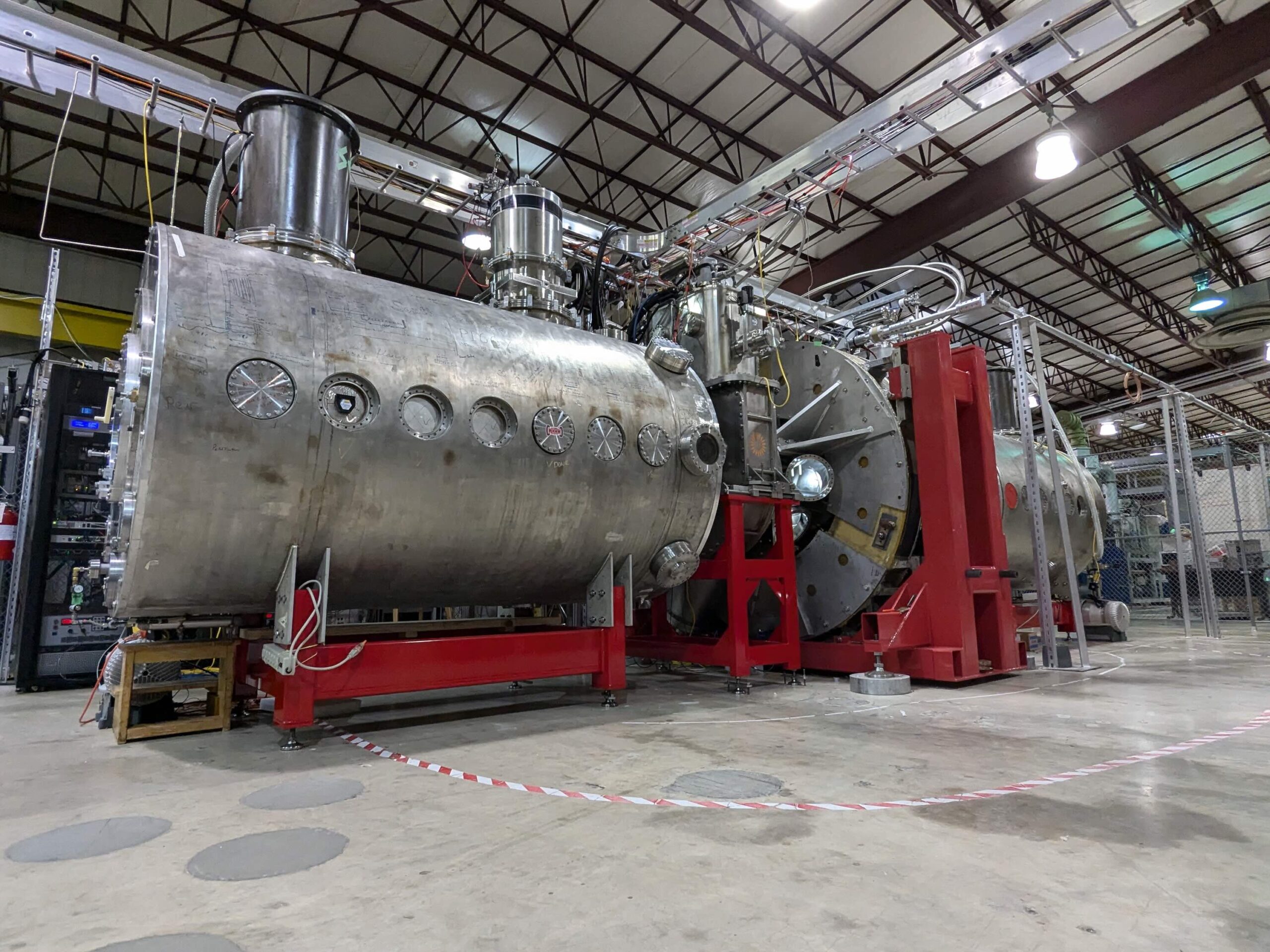
Realta Fusion announced this week a partnership with Madison Gas and Electric that brings one of the first grid-connected fusion power plants to Wisconsin. The facility, targeted for the mid-2030s, will generate 200 megawatts of electricity—a capacity roughly equivalent to the needs of a mid-sized city. This marks another significant milestone in what has become an accelerating courtship between the established utility sector and emerging fusion technology companies.
The Madison-based startup is converting a former Oscar Mayer factory into its research headquarters and development facility. Beyond providing capital through an equity investment in Realta—the specifics of which remain undisclosed—MGE is contributing interconnection site access, engineering expertise, technical assistance, and financing commitments for the eventual power plant. For a startup in an industry where land acquisition and grid connection rights can consume years and millions in administrative costs, these contributions represent invaluable de-risking.
Why Utilities Are Suddenly Pursuing Fusion
AI Data Centers and Grid Demand
For decades, fusion power occupied the role of perpetual future technology. Breakthroughs were repeatedly announced and repeatedly delayed, creating a cycle of hype followed by disappointment. Utilities learned to view fusion skeptically, as a venture that might deliver transformative energy someday but probably not in any timeline relevant to their planning. That calculation has shifted dramatically in recent years. Fusion startups have achieved tangible progress on previously intractable scientific and engineering challenges. Meanwhile, the explosive growth of AI data centers has created unprecedented electricity demand, forcing utilities to reconsider which technologies might be available within their planning horizons.
The Intermittency Challenge of Renewables
The growth of wind and solar power has fundamentally altered electricity markets. Both technologies are cheap and increasingly dominant, yet both share a critical limitation: they only generate power when environmental conditions permit. A solar panel produces nothing at night; a wind turbine sits idle during calm weather. This intermittency has forced utilities to develop new strategies for managing supply and demand. Battery storage has emerged as a valuable tool, smoothing short-term fluctuations, but batteries cannot substitute for consistent, large-scale power generation sustained over days of poor weather or seasonal variations.
Baseload Power as the Missing Link
The traditional solution to intermittency has been baseload power plants—facilities that operate continuously, generating steady electricity around the clock regardless of season or weather. Coal plants have historically filled this role, as have nuclear facilities. Both carry environmental costs or political complications that limit their expansion. Utilities find themselves in an uncomfortable position: renewable energy is superior on cost and emissions, but the grid still requires stable baseline power. Fusion plants, designed to operate continuously and produce zero carbon emissions, promise to solve both problems simultaneously. To grid operators accustomed to baseload thinking, fusion represents a familiar concept wrapped in unfamiliar technology.
A Widening Circle of Fusion-Utility Partnerships
Commonwealth Fusion Systems with Dominion Energy
Commonwealth Fusion Systems stands as perhaps the most advanced fusion startup by conventional metrics. The company entered a partnership with Dominion Energy nearly two years ago and has maintained steady progress. CFS will lease land from Dominion to construct Arc, its first commercial-scale power plant. Located near Richmond, Virginia, the facility is expected to generate 400 megawatts of electricity in the early 2030s. The partnership has attracted additional validation: both Google and Italian energy company Eni have signed agreements to purchase electricity from Arc once it begins operations.
Helion and Microsoft’s Washington Deal
On the opposite coast, Helion Energy operates under an agreement with Chelan County Public Utility District in Washington State. The company’s Polaris facility represents a smaller-scale deployment than Arc or Realta’s facility, at 50 megawatts, but with an earlier target date. Helion intends to bring Polaris online in 2028—several years before the mid-2030s timeline of larger competitors. Helion leases land from the utility and committed to supply electricity to Microsoft under the arrangement, adding another major technology company to the list of organizations betting on near-term fusion viability.
Tennessee Valley Authority Backing Type One Energy
Type One Energy operates a partnership with the Tennessee Valley Authority, the massive public utility responsible for electricity across much of the southeastern United States. The startup plans to build Infinity Two, a 350-megawatt facility, on the grounds of a former coal power plant near Oak Ridge, Tennessee. The location carries symbolic weight, given that Oak Ridge played a central role in nuclear history. The startup aims to begin supplying the grid in the mid-2030s, placing it on a comparable timeline to Realta and CFS.
Germany’s Proxima Fusion Partnership
Proxima Fusion is pursuing an international angle, with a partnership agreement covering a site in southern Germany. The company plans to construct Stellaris, its first commercial power plant, on grounds currently occupied by a decommissioned fission reactor being retired by RWE—one of Europe’s largest utilities and formerly a major operator of Germany’s nuclear fleet. RWE serves as both the landlord and an investor in the project. The late-2030s timeline for Stellaris gives Germany an alternative path for maintaining baseline power capacity after the nation’s decision to phase out nuclear energy entirely.
The Strategic Value for Fusion Startups
For fusion startups, utility partnerships provide access to expertise, land, interconnection rights, and regulatory assistance that would otherwise require years and substantial capital to secure independently. These agreements represent a capital-efficient de-risking mechanism in what is fundamentally a capital-intensive industry, allowing startups to redirect resources toward technology development rather than land acquisition, permitting, or stakeholder management. The rarity of these agreements—only a handful of fusion startups have announced utility partnerships—underscores both the strategic importance of each deal and the distance the sector still must travel.
The Utility Gamble
Utilities are historically conservative organizations with deep risk aversion. They did not rush to embrace fusion when the technology seemed perpetually out of reach. That caution was rational given the history of broken promises. However, utilities also confront a different risk calculus today. An underpowered grid—one incapable of meeting demand from data centers, electrified transportation, and growing populations—presents an existential threat to their business model. A decade-long plant construction timeline, while long by most standards, represents near-term protection to an industry accustomed to planning across multiple decades. For utilities, investing in fusion today becomes a bet that the technology will mature before the grid runs short of capacity.
Frequently Asked Questions
Why are utilities suddenly interested in fusion after decades of skepticism?
Recent progress in fusion technology, combined with explosive electricity demand from AI data centers and the intermittency challenges of renewable energy sources, have made utilities view fusion as a viable source of reliable baseload power.
What is the timeline for these fusion power plants to come online?
The timelines vary: Helion's Polaris is targeted for 2028, while Realta Fusion, Commonwealth Fusion Systems, and Type One Energy aim for the mid-2030s, and Proxima Fusion's German facility targets the late-2030s.
What benefits do fusion startups gain from partnering with utilities?
Startups gain access to engineering expertise, land leases, grid interconnection rights, permitting assistance, and financing—resources that would otherwise require years of negotiation and substantial capital expenditure to secure independently.
