
Key takeaways
- Ultrahuman raised $70 million at a $365 million valuation, enabling the shift from health-tracking rings to computing-capable wearables with Qualcomm's backing.
- Software updates by September will enable game controller functionality, AI interaction, and third-party developer support on existing Ring Air and Ring Pro models.
- The company's annual revenue run rate reached $140 million, up 45% year-over-year, with 800,000 rings sold and a projected $200 million by January 2027.
- Ultrahuman plans to go public in 2028 at the earliest, following eight to ten quarters of profitability, a longer timeline than rival Oura's September IPO.
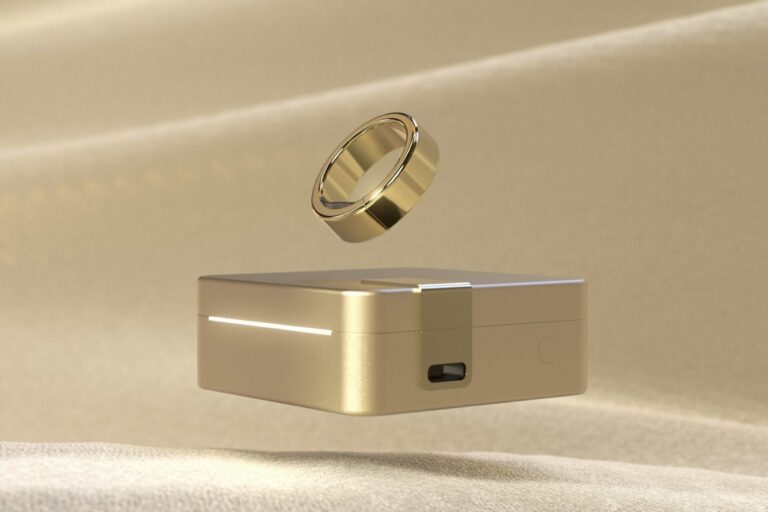
Indian smart-ring startup Ultrahuman has raised $70 million in a funding round that values the company at $365 million, roughly triple its $120 million valuation in 2023. The financing reflects growing investor confidence in Ultrahuman’s strategy to transform smart rings from health-tracking devices into computing platforms capable of running applications, games, and AI interfaces directly on the wearable.
Qualcomm Ventures led the round alongside diagnostics firm Labcorp, venture capital firms Alpha Wave, Blume Ventures, Nexus Venture Partners, and Alteria Capital. The deal includes $65 million in primary equity and $5 million in debt, according to founder and CEO Mohit Kumar. Qualcomm’s participation signals the chipmaker’s strategic focus on wearable computing and commits both companies to a hardware collaboration that will reshape Ultrahuman’s product roadmap.
Rings as Computers, Not Just Trackers
Today’s smart rings operate fundamentally as health sensors: they measure heart rate, movement, and sleep, then send data to smartphones or cloud servers for analysis and storage. Ultrahuman envisions a different model, in which rings function as genuine computing devices executing software directly on the wearable itself.
“All ring devices today are like trackers,” Kumar stated. “You put on the ring, it measures your heart rate, your movement, your sleep.” The company’s goal is to make the ring operate more like a computer, where developers can write and deploy applications that run natively on the device rather than requiring smartphone intermediaries.
New Interaction Models the Ring Enables
This architectural shift opens use cases unrealistic for current tracking devices. The ring could serve as a pointing device or mouse for presentations, act as a car key, or operate as a natural interface for conversing with AI systems. The ring’s position on the finger grants it unique advantages over smartwatches—it can recognize precise hand gestures and serve as an input device in ways that wrist-worn devices cannot match.
Why Computing Power Matters
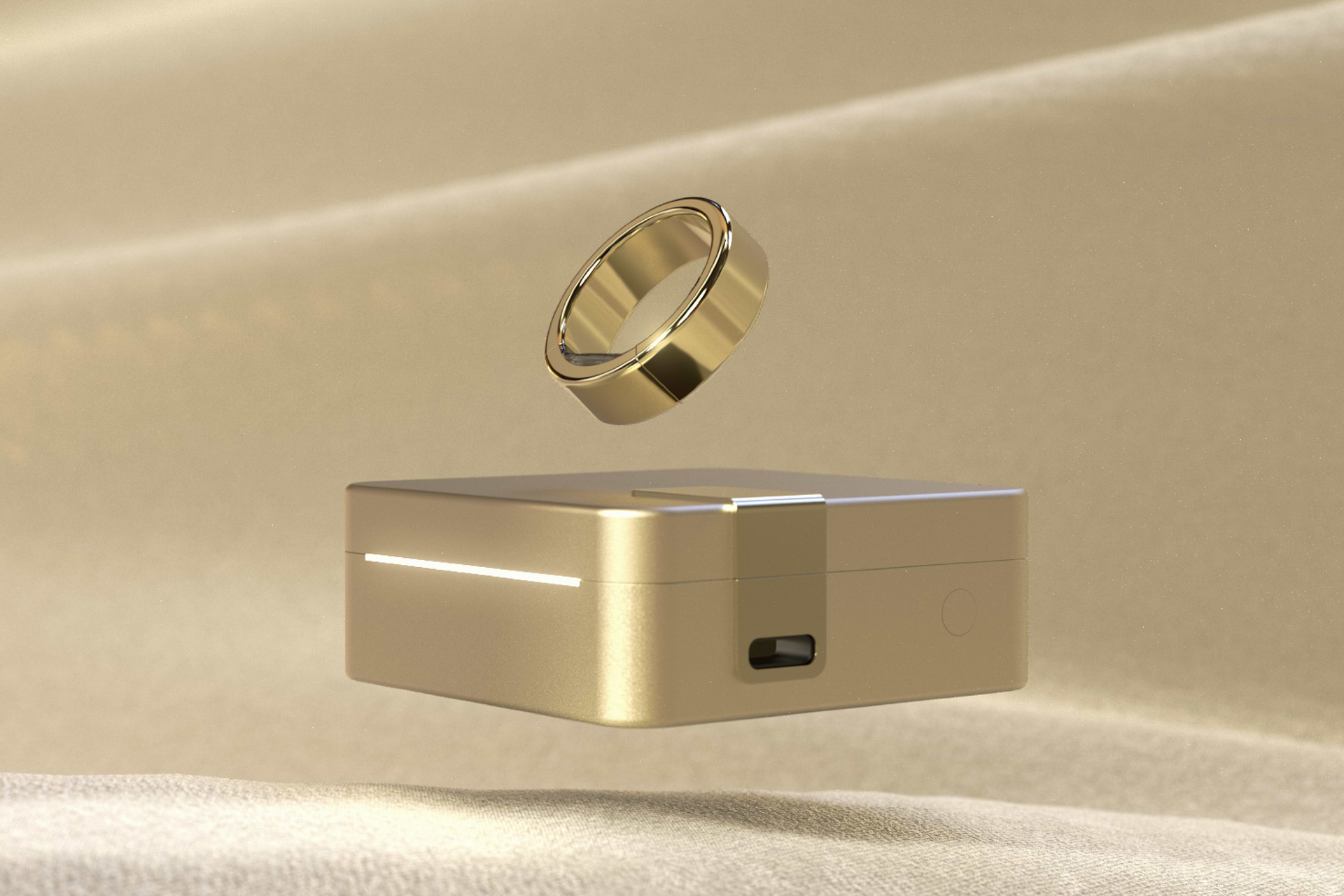
Realizing this vision requires substantially more processor capacity than Nordic Semiconductor chips currently used in Ultrahuman rings provide. The new partnership with Qualcomm introduces the chipmaker’s silicon into Ultrahuman’s next-generation hardware. Kumar emphasized that this increased computing power allows algorithms and software to execute on-device, dramatically reducing the ring’s reliance on connected phones or cloud processing.
Quinn Li, global head of Qualcomm Ventures, framed the ambition in broader terms: “The future of AI is personal, ambient and always on,” he said, characterizing Ultrahuman as a builder of a new generation of personal AI devices.
Software Updates and the Developer Platform
Capabilities Available Before New Hardware
The Qualcomm-powered ring is planned for future release, but Ultrahuman is not waiting for new hardware to validate the vision. By the end of September, the Ring Air and Ring Pro will receive software updates introducing game controller functionality, AI interaction capabilities, and third-party developer support. These updates will deploy the enhanced capabilities to existing hardware, allowing Ultrahuman to test and refine the computing-platform model with its current installed base before the Qualcomm-silicon ring launches.
Physiological Context in Gaming
Kumar highlighted a distinctive feature of rings compared to traditional gaming peripherals. Conventional game controllers are pure input devices—they register player actions but capture nothing about the player’s state. Ultrahuman’s rings continuously measure heart rate, temperature, and movement. A game designed for the ring could process these physiological signals in real time, creating gameplay that responds to both deliberate input and involuntary physiological responses. “A game controller never reads your heart rate and your temperature, but this one does,” Kumar said. He suggested experiences where games adapt to player stress levels, physical exertion, or other bodily signals measured by the ring.
Business Growth and Revenue Milestones
Ultrahuman’s operating business is expanding even as the company pursues new technical frontiers. The company reported an annual revenue run rate of $140 million, up approximately 45% from the prior year. Management projects this rate will climb to $200 million by January 2027. Ring shipments have reached approximately 800,000 units cumulatively, up from roughly 700,000 in February.
Ultrahuman operates a subscription tier called PowerPlugs, which provides advanced software features to users. About 12% of the installed base currently subscribes, creating a recurring revenue stream beyond hardware sales.
Ultrahuman was founded in 2019 by Kumar and Vatsal Singhal and initially focused on continuous glucose monitors before pivoting to smart rings. The company has since expanded into blood testing and environmental sensing.
Market Challenges and International Expansion
Supply Constraints in the U.S. Market
The United States is Ultrahuman’s largest market, generating approximately 45% of quarterly revenue. However, a patent dispute with rival Oura forced Ultrahuman to halt U.S. sales of its Ring Air for most of the past year. The company re-entered the American market this year with the redesigned Ring Pro.
Demand for the Ring Pro in the U.S. significantly exceeds availability. Kumar stated that current demand runs at 18 to 20 times the company’s existing supply. Ultrahuman expects to restore its previous U.S. sales volumes by the next quarter and aims to triple those volumes over the following four quarters as manufacturing capacity increases.
Offline Retail and International Markets
India contributes approximately 11% of Ultrahuman’s quarterly revenue. The company plans to deepen its presence in India and the United Arab Emirates through physical retail locations and offline distribution channels, which Ultrahuman has found to be effective acquisition mechanisms in these markets. The new capital will partly fund this international retail expansion, though increased spending on brand development and clinical research may prevent profitability this year.
Clinical Validation and Health Diagnostics
Beyond consumer applications, Ultrahuman is advancing clinical research with Labcorp, one of the largest U.S. diagnostics companies. The partnership investigates whether blood-flow signals captured by Ultrahuman’s rings, when paired with blood-test data, could identify health risks in cardiovascular health, fertility, and aging. Labcorp’s Megann Vaughn Watters stated: “By combining longitudinal wearable data with deeper biological signals, Ultrahuman is creating new opportunities in personalized health.”
Such work could eventually translate into integrated products and services, though Kumar declined to share specifics, indicating that announcements regarding the collaboration’s outcomes would come later.
Timeline to Public Markets
Ultrahuman has substantially increased investment in clinical research, physical retail presence, and brand building—spending that will likely prevent the company from achieving profitability this year. However, leadership has articulated a clear trajectory toward a public listing.
Unlike Oura, which is reportedly targeting a September IPO, Ultrahuman is charting a longer runway. Kumar stated that the company wants to demonstrate approximately eight quarters of profitability before going public. Establishing this track record will likely take eight to ten quarters, positioning 2028 as the earliest realistic window for an initial public offering.
Frequently Asked Questions
What is Ultrahuman trying to do differently with its smart rings?
Unlike existing smart rings that primarily track health metrics, Ultrahuman aims to build rings that function as computers, running software and algorithms directly on the device. By September, the company will deploy updates enabling game controller functionality, AI interaction, and third-party developer support on its Ring Air and Ring Pro models.
How much did Qualcomm invest and what is the partnership focused on?
Qualcomm Ventures participated in a $70 million funding round that valued Ultrahuman at $365 million. The companies are collaborating on a new ring model using Qualcomm's silicon to replace the Nordic Semiconductor chips currently in use, providing additional computing power to enable on-device software execution and reduce reliance on smartphones or cloud processing.
When does Ultrahuman expect to go public?
Ultrahuman's earliest realistic IPO window is 2028, following a planned eight to ten quarters of profitability. This is a longer timeline than competitor Oura, which is reportedly targeting a September IPO. CEO Mohit Kumar indicated the company wants to establish a clear profitability track record before pursuing a public listing.
