
Key takeaways
- NHTSA exempted Zoox from eight safety standards to enable paid robotaxi service in Las Vegas, while San Francisco and Congress pushed back with stricter safety requirements for autonomous vehicles.
- Waymo faced increased regulatory scrutiny following July 4 gridlock in San Francisco and paused freeway operations for two months, raising questions about emergency response protocols.
- Baidu, Waymo, and Uber are racing to launch robotaxi services in London in 2026–2027, indicating international markets may move faster than the U.S. on commercial autonomous vehicle deployment.
- Drone delivery operators including Walmart-Wing, DoorDash, and Flytrex are expanding commercial operations with less regulatory friction than robotaxis, while traditional automakers GM and Ford have reduced focus on electric vehicles.
The autonomous vehicle industry is experiencing a rare form of regulatory whiplash. While federal officials are moving to clear barriers for robotaxi deployment, city and state authorities are tightening restrictions in response to safety incidents. This divergence is creating two competing visions for how self-driving vehicles will operate in America, and the industry is caught in the middle.
Federal Push: NHTSA Clears Zoox for Commercial Service
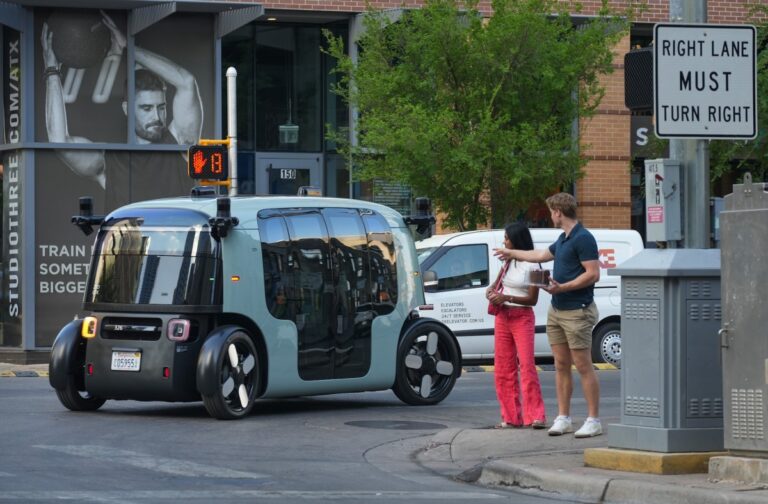
The National Highway Traffic Safety Administration this week made a significant move to accelerate autonomous vehicle technology. The agency granted Zoox a temporary exemption from eight federal motor vehicle safety standards, removing one of the last regulatory hurdles blocking the company from launching commercial paid rides. According to Zoox, paid service is imminent, with Las Vegas chosen as the initial market.
The exemption represents a watershed moment for the robotaxi sector. Zoox has been operating in test mode for years, but this approval to charge passengers marks the transition from research to commerce. The federal decision reflects confidence that the technology has matured enough for public deployment under controlled conditions.
Local Pushback: Cities Growing Concerned About Safety
San Francisco’s July 4 Incident Sparked Action
The federal acceleration comes as cities are raising alarms about autonomous vehicle behavior in real-world conditions. In San Francisco, Waymo robotaxis became immobile during heavy traffic on July 4, losing power and blocking key streets. The incident compounded gridlock and drew the attention of Mayor Daniel Lurie, who approached state regulators nearly two weeks later requesting stricter rules for autonomous vehicle operations.
Congressional Response to Emergency Responder Concerns
The safety concerns have reached Capitol Hill. U.S. Representative Kevin Mullin, a Democrat from California, introduced legislation this week directing federal regulators to establish minimum national safety standards specifically for autonomous vehicle operators. Mullin cited what he described as a disturbing pattern of incidents where self-driving cars have interfered with emergency responders. “We have seen disturbing, and frankly, an unacceptable number of incidents where autonomous vehicles inadvertently interfere with emergency responders,” Mullin said during a press conference alongside Mayor Lurie.
The proposal represents a congressional attempt to fill what lawmakers view as a gap in federal oversight. Rather than leaving autonomous vehicle regulation primarily to state and local authorities, Mullin’s bill would establish a uniform national standard for how robotaxi operators must handle interactions with police, fire, and emergency medical services.
Growing Regulatory Scrutiny of Waymo
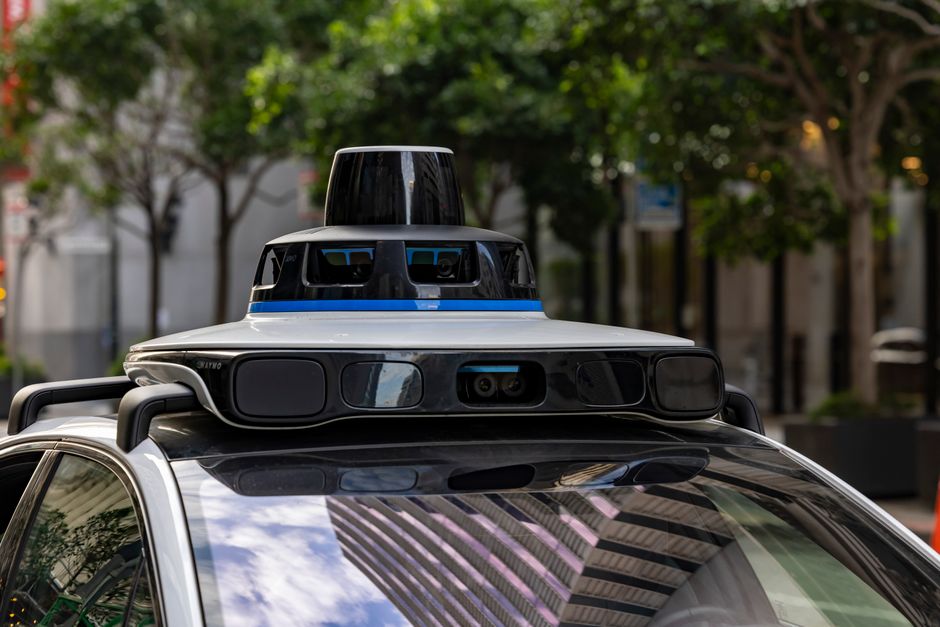
Waymo has borne much of the regulatory spotlight. Beyond the July 4 gridlock incident, the company has faced increased questioning about how its vehicles navigate complex urban scenarios. This scrutiny extends beyond San Francisco. In April, Waymo began testing autonomous vehicles in London with human safety operators present in each vehicle, suggesting the company is taking a more cautious approach in new markets. The company also paused operations on California freeways for more than two months due to concerns about how its vehicles behaved near construction zones before resuming that service this week.
International Competition Intensifies in London
While American regulators debate, the robotaxi sector is expanding globally. London is shaping up as the next major battleground. Baidu, the Chinese technology giant, launched autonomous vehicle testing in the city as part of a partnership with Lyft and Freenow, a mobility app that Lyft owns. The companies plan to invite the public to hail their robotaxis in 2027.
The London push is not limited to Baidu. Waymo began testing there in April, and Uber—partnering with self-driving technology company Wayve—announced plans to launch a robotaxi service in London this year. The convergence of multiple operators in a single market signals that the industry believes regulatory approval for commercial autonomous vehicles is imminent in the UK.
Drone Delivery Finds Its Moment
While robotaxis navigate regulatory waters, the drone delivery sector is accelerating with less regulatory friction. Walmart and Alphabet’s Wing drone delivery service began operations across Central Florida this week. Flytrex announced a partnership with Nash, an autonomic logistics platform. But the largest announcement came from DoorDash, which revealed it is building its own drone delivery business, including designing its own aircraft. The operation will eventually integrate with the company’s main delivery app and was developed by DoorDash’s robotics and autonomy team.
The diversity of entrants suggests drone delivery is transitioning from experimental stage to operational deployment. Unlike robotaxis, which require navigation of complex urban streets alongside other vehicles and pedestrians, drone deliveries operate in dedicated airspace with fewer competing claims.
Capital Flows Continue Despite Regulatory Questions
Investment in autonomous vehicle and broader mobility technology continues despite regulatory uncertainty. The Boring Company, Elon Musk’s tunneling startup, is in talks to raise $4 billion at a $20 billion valuation. Terminal, a Toronto-based startup providing telematics data for commercial fleet management, raised $20 million in Series A funding led by Battery Ventures, with participation from Intact Private Capital, Penske, Y Combinator, and Wayfinder Ventures. Lucid Motors, the electric vehicle maker, received investment from Saudi Arabian Prince Al Waleed bin Talal Al Saud, who purchased over 19 million shares representing approximately 5 percent of the company.
Traditional Automakers Step Back From EV Push
While robotaxi and drone companies advance, traditional automakers are retreating from their ambitious electric vehicle commitments. General Motors and Ford, which ramped up EV spending and formed joint ventures to build battery factories just a few years ago, are now discussing electric vehicles at lower rates than before the pandemic, according to analysis of quarterly earnings calls over the past seven years. Both companies still sell EVs and have new models in development, but their collective strategic focus has shifted away from the electrification efforts that once dominated their capital allocation and public messaging.
The pullback reflects changing market conditions and consumer demand patterns that made earlier projections unrealistic. Even as specific mobility sectors like robotaxis and drone delivery show signs of maturation, the broader EV transition among legacy manufacturers has lost momentum.
The Unresolved Tension
The robotaxi industry now operates in a regulatory environment where federal and local authorities are pulling in opposite directions. The NHTSA’s decision to clear Zoox for paid rides signals confidence in the technology and a desire to move forward. Simultaneously, cities like San Francisco and Congress are insisting on stronger safety guardrails and clearer accountability. Zoox’s launch in Las Vegas may resolve some questions about whether the technology works in commercial operation, but it will not settle the broader dispute over how robotaxis should be governed. That tension will likely define the industry’s next phase.
Frequently Asked Questions
What did NHTSA approve for Zoox?
NHTSA granted Zoox a temporary exemption from eight federal motor vehicle safety standards, enabling the company to charge customers for paid robotaxi rides. Zoox plans to begin paid service in Las Vegas.
Why are cities and Congress pushing back on autonomous vehicles?
San Francisco Mayor Daniel Lurie and Rep. Kevin Mullin cited incidents where autonomous vehicles interfered with emergency responders, including a July 4 incident where Waymo robotaxis lost power and blocked streets during heavy traffic. Mullin proposed legislation to establish minimum national safety standards for AV operators.
Which companies are competing to launch robotaxi services in London?
Baidu (partnering with Lyft and Freenow) plans to invite the public to hail its robotaxis in 2027. Waymo began testing in London in April with human safety operators. Uber and Wayve announced plans to launch a robotaxi service in London this year.
