

Key takeaways
- Security researcher Robert Wiggins found a hardcoded password in Wyndham's Android app giving access to a Salesforce database with millions of customer records, including names, emails, member numbers, and login tokens.
- Wyndham's public response was narrow: it said the credential was revoked and found no evidence of unauthorized access, but refused to answer whether it had access logs, planned customer notification, would file SEC disclosure, or when the password was first embedded.
- AI-powered code analysis tools made both this and a similar Applebee's breach discoverable in the same two-week period by automatically scanning thousands of lines of decompiled code for known vulnerability patterns.
- This is Wyndham's second major public security incident in a year; in 2024, hotel check-in desks were running remote-access spyware that transmitted guest records to the open web before the creator was arrested.
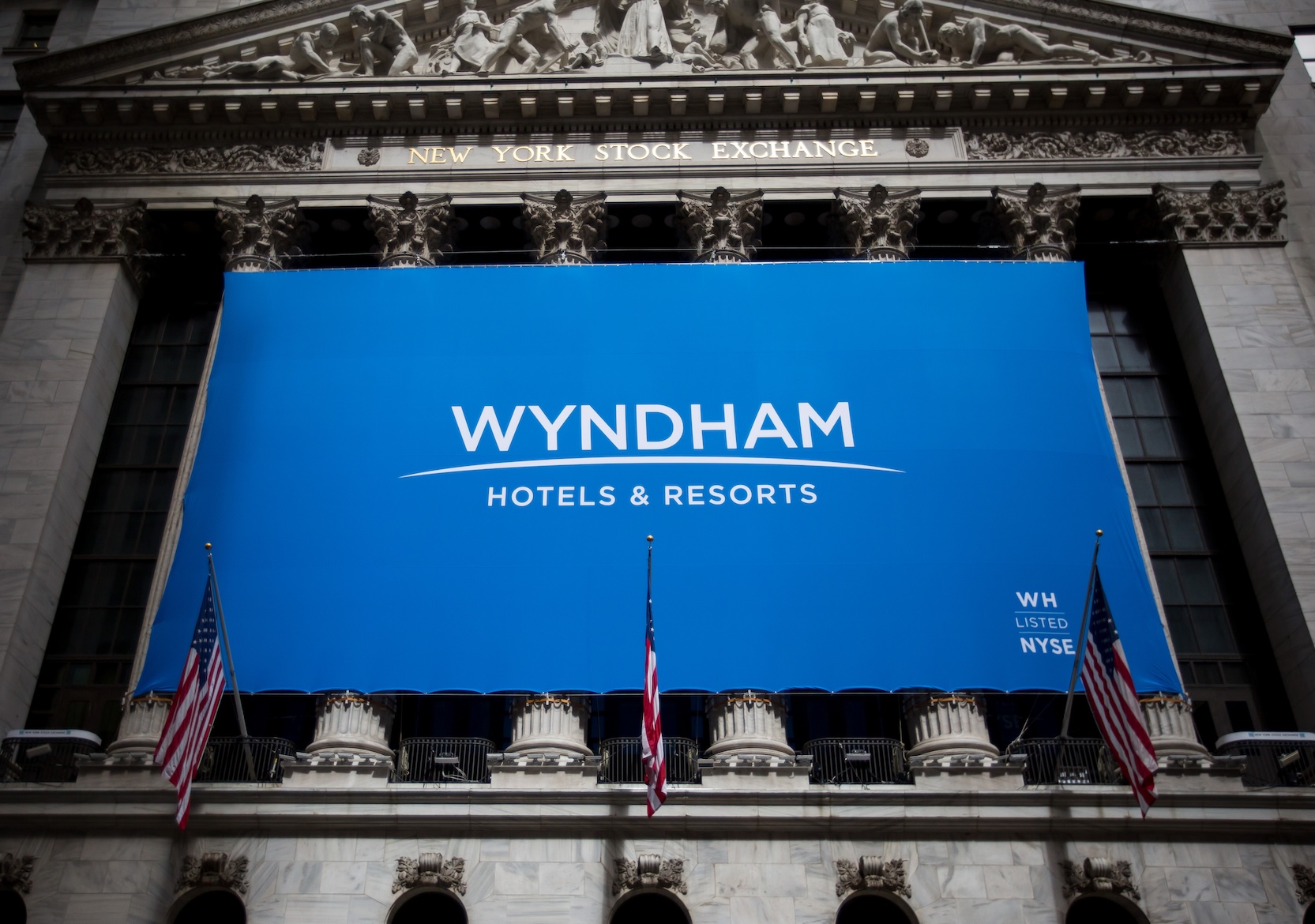
Wyndham, the global hotel and resort company with 129 million enrolled rewards members, has disclosed a security failure after a researcher discovered exposed customer personal information through a fundamental application development mistake. The breach was not caught by the company’s own security teams, but rather by an outside security researcher whose disclosure led to emergency remediation.
Robert Wiggins, a security researcher at What Security, discovered a hardcoded password embedded directly in the source code of Wyndham’s Android mobile application. The password granted full access to an internal database hosted on Salesforce, Wyndham’s cloud platform provider. According to TechCrunch’s reporting, Wiggins found no official vulnerability reporting channel on Wyndham’s website and reached out to TechCrunch for assistance in alerting the company to the flaw. Following TechCrunch’s direct contact with Wyndham’s cybersecurity staff, the exposed credential was revoked, preventing further database access.
What the Breach Exposed
Customer Information at Risk
The compromised Salesforce database contained customer names, email addresses, Wyndham member numbers, and authentication tokens called JWTs. These JSON Web Tokens maintain login sessions, allowing users to remain logged into the Wyndham mobile app without repeatedly entering their credentials. The database also contained internal Wyndham files and business documents.
According to Wiggins, the database held millions of records, though he was unable to determine the precise number of affected individuals. At this scale, the exposure represents a substantial impact across Wyndham’s 129-million-member service, yet the company has not clarified how many customers were actually exposed or plan to notify them.
A Textbook Security Mistake
Hardcoding passwords directly into application source code is among the most elementary security errors in software development. Once an application is released publicly, anyone who obtains a copy can extract the embedded password through decompilation and use it to access the associated database or server without authorization. The vulnerability is so straightforward and dangerous that it receives the highest possible severity rating under industry vulnerability assessment standards.
Security best practices universally prohibit hardcoding credentials in any publicly released software. The password should have been stored in a secure secrets management system, separate from the application code, and rotated periodically. Wyndham has not explained how this credential entered the application code or what internal code review processes should have caught and prevented the mistake before the application was distributed to millions of users through the Google Play Store.
Wyndham’s Sparse Public Response
Wyndham acknowledged the incident through a statement to TechCrunch: “Our team has taken steps to address the issue. Our security teams have no evidence of any unauthorized access.” This statement provided minimal detail and left open several critical unanswered questions about the company’s security posture and customer impact.
When TechCrunch asked whether Wyndham possessed the technical means, such as server logs, to determine if anyone had accessed the database before Wiggins’ discovery, the company declined to answer. Wyndham also refused to state whether it planned to notify customers whose information was exposed or file required notice with the U.S. Securities and Exchange Commission, as public companies must do when material security incidents occur.
The company would not disclose how long the password had been embedded in the application, did not detail its long-term fix for preventing similar hardcoded credentials in future versions, and declined to commit to establishing a formal vulnerability disclosure program for outside security researchers. Michael Francess, Wyndham’s cybersecurity director, stated that researchers could contact [email protected], but the company refused to say whether it would formalize this process or publicize it on its website as standard practice.
AI-Powered Discovery of Simple Flaws
Wiggins’ discovery of Wyndham’s hardcoded credential marks his second such finding within two weeks. TechCrunch previously reported that Wiggins had identified a nearly identical vulnerability in Applebee’s mobile application, which also exposed customer data through embedded credentials.
For both discoveries, Wiggins leveraged artificial intelligence tools designed to scan and analyze code. These tools can process thousands of lines of decompiled application code per second, automatically flagging patterns consistent with known security weaknesses like hardcoded credentials. As AI tools continue to improve at code analysis and pattern recognition, security researchers are discovering vulnerabilities that internal development teams and security reviews failed to catch.
The broader implication is that AI tools lower the barrier for identifying basic security mistakes, benefiting defensive researchers seeking to notify companies about vulnerabilities. However, the same tools offer no additional protection against malicious actors who might use similar AI-powered analysis to identify the same weaknesses for exploitation.
Wyndham’s Track Record of Security Incidents
This database breach follows a prior security incident at Wyndham disclosed in 2024. Researchers discovered that computers at Wyndham hotel check-in desks were running remote-access spyware that captured and continuously transmitted screenshots of guest records and booking information to the public internet without authorization.
The spyware application, called pcTattletale, was developed and distributed by Bryan Fleming, a former Michigan resident. After disclosure of this vulnerability in Wyndham systems, the operator of pcTattletale was itself breached, and its customer database was stolen. The incident forced Fleming to shut down his company. Federal authorities arrested Fleming and convicted him of making, selling, and advertising unlawful spyware.
The 2024 hotel desk incident represented a compromise of physical endpoints at Wyndham properties, while the current database breach stems from a developer-side mistake in a customer-facing application. Together, these incidents suggest that Wyndham’s security practices may not align with industry standards expected at a company managing 129 million customer relationships and processing sensitive personal data at a global scale.
Source: TechCrunch
Frequently Asked Questions
What specific customer data was exposed by the hardcoded password?
The Salesforce database contained customer names, email addresses, Wyndham member numbers, and JWTs (authentication tokens that keep users logged into the mobile app). The database also held internal Wyndham files and business documents. According to the researcher, the database held millions of records.
How did the security researcher discover the vulnerability?
Robert Wiggins found a password hardcoded directly in Wyndham's Android application source code. He used AI tools designed to scan and analyze code, which can process thousands of lines of decompiled code per second and flag patterns matching known security weaknesses like embedded credentials.
What has Wyndham said about the incident and customer notification?
Wyndham stated its team took steps to address the issue and found no evidence of unauthorized access, but declined to answer whether it could determine if anyone had accessed the database before the researcher's discovery, whether it would notify affected customers, whether it would file required SEC notification, or when it would issue a permanent fix to the application.
