
Key takeaways
- California's Senate Bill 1246 requires robotaxi companies to provide on-the-ground support for first responders and face penalties if their vehicles block emergency personnel for more than 30 minutes.
- Remote drivers operating autonomous vehicles must be based in the United States with valid U.S. driver's licenses, and companies must provide local incident technicians to handle accidents and obstructions.
- The law takes effect July 2028 and aims to improve accountability, though experts expect it will manage disruptions rather than eliminate them entirely.
- Other autonomous vehicle companies like Kodiak, Aurora, and DoorDash continue expanding operations as California establishes its new regulatory framework.
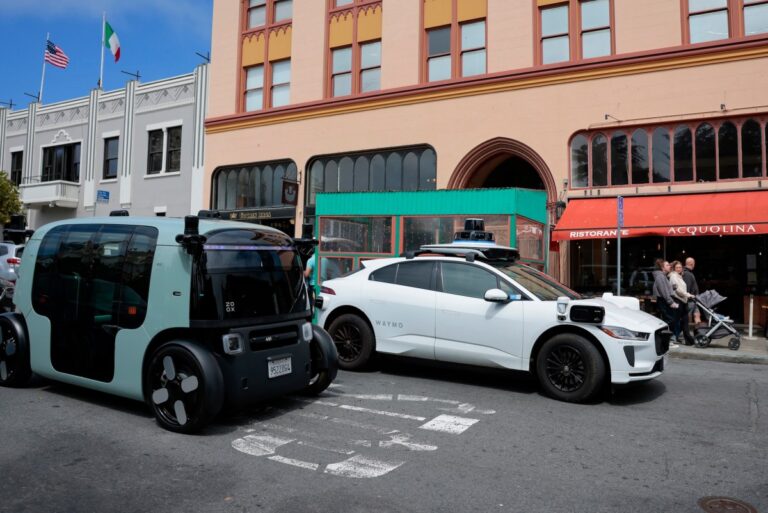
California has been watching robotaxis navigate city streets with increasing frequency. In San Francisco alone, dozens or potentially hundreds of Waymo robotaxis operate on any given day, often with little visible disruption. However, this expansion has created a pattern of incidents that prompted legislative action.
According to reports, robotaxis have impeded traffic flow, driven into crime scenes, and interfered with first responders attempting to do their jobs. In some cases, emergency personnel have been required to manually move robotaxis out of the way to continue operations. These incidents have occurred across multiple regions where autonomous vehicle companies operate, not just in the Bay Area.
California Passes New Robotaxi Safety Law
In response to these disruptions, California legislature passed Senate Bill 1246, which was signed into law by Governor Gavin Newsom. The law introduces a comprehensive set of rules for autonomous vehicle companies, establishing new requirements for safety, emergency support, and accountability.
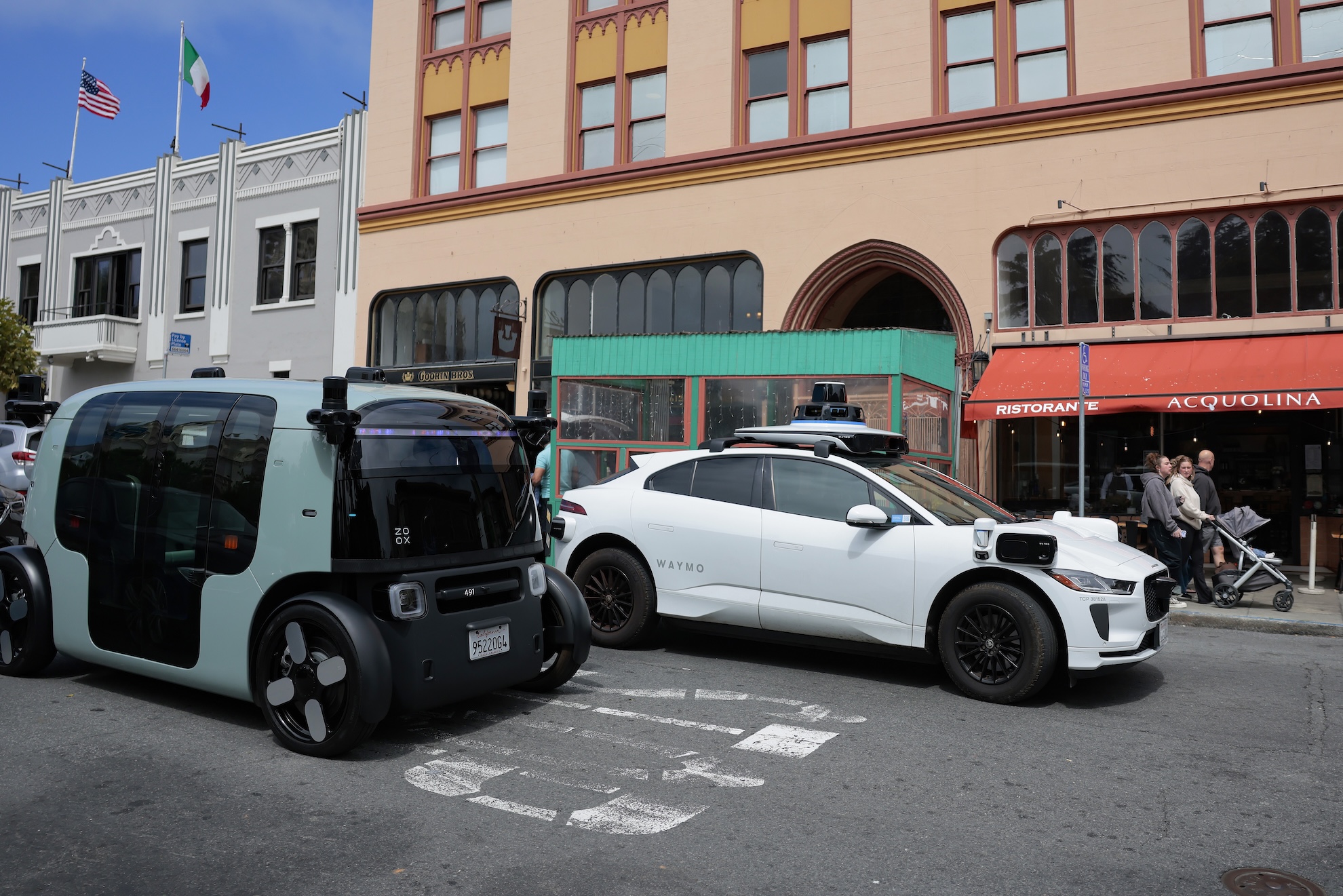
The law will take effect July 2028, giving companies time to prepare their operations and infrastructure. The rules apply to autonomous vehicle technology companies including Tesla, Waymo, and Zoox, which currently operate or plan to operate robotaxis in California.
What the Law Requires
The new regulations mandate several specific obligations for AV companies:
On-the-Ground Support
Companies must provide first responders with local, on-the-ground support when their robotaxis cause problems or need assistance. This requirement acknowledges that remote operations alone have proven insufficient during actual emergencies.
Emergency Response Accountability
AV companies face potential penalties if their robotaxis block police or firefighters for more than 30 minutes. This threshold establishes a clear boundary for acceptable interference with emergency operations.
Remote Driver Requirements
For those instances where remote operation is necessary, the law specifies that remote drivers must be based in the United States and must hold a valid U.S. driver’s license. This requirement prevents companies from outsourcing critical driving decisions to other countries.
System Failure Notification
Companies must notify cities, towns, and other local jurisdictions about the location and status of their vehicles during system-wide failures. This requirement ensures that municipalities have real-time visibility into network problems that could affect public safety.
Local Incident Technicians
AV developers must provide “local incident technicians” who can respond to accidents and obstructions involving their vehicles. These technicians would handle situations that remote operators or the autonomous systems cannot resolve.
Implementation and Ongoing Details
The California Department of Motor Vehicles will handle the detailed implementation of Senate Bill 1246, as it serves as the state’s primary regulator of autonomous vehicles. The DMV will need to establish specific procedures, timelines, and enforcement mechanisms for these requirements over the coming months.
Several aspects of the law remain to be defined through the regulatory process. The department will need to clarify what constitutes adequate “local, on-the-ground support,” specify performance standards for incident technicians, and establish the penalty framework for violations. These details will shape how strictly the law can be enforced.
Will the Law Actually Prevent Disruptions?
The effectiveness of Senate Bill 1246 remains an open question. The regulations appear designed more to manage disruptions when they occur rather than prevent them entirely. By establishing clear accountability and requiring local support, the law aims to reduce the chaos and raise consequences for violations, but it likely won’t eliminate incidents altogether.
The 30-minute threshold for emergency blocking represents a compromise: it allows for some temporary interference but draws a line at extended obstruction. Whether this proves sufficient will depend on how quickly incident technicians can actually resolve problems.
One unanswered question is whether other states will follow California’s approach or wait for federal guidance on autonomous vehicle regulation. The fragmented regulatory landscape could create compliance challenges for companies operating across multiple states.
Broader Autonomous Vehicle Industry Activity
California’s regulatory push comes amid broader growth in the autonomous vehicle sector. Kodiak has signed Ikea as a customer and will begin driverless deliveries on public highways this year, operating on a 219-mile stretch of Interstate 45 between Houston and Dallas with trucks carrying Ikea products without anyone in the cab.
Aurora announced plans to have 30,000 autonomous trucks on the road by the end of 2030. The company’s CFO David Maday defended this ambitious target in interviews explaining the company’s strategy and confidence in meeting the goal.
DoorDash expanded its autonomous operations with DoorDash Air, sharing details about the drone delivery business’s autonomous aircraft and ground-based systems approach. These expansions show that autonomous vehicle companies continue operating and growing their services even as regulatory scrutiny increases.
Rivian reported record sales in a recent quarter thanks in part to its new R2 SUV, though the company issued a recall for fasteners on the high-voltage battery pack that might not be properly tightened. Tesla sold more than 480,000 electric vehicles in the third quarter and secured $30 billion in fresh credit lines that could support scaling its Optimus robot and Cybercab robotaxi.
Source: TechCrunch
Frequently Asked Questions
What is Senate Bill 1246 and who does it affect?
Senate Bill 1246 is a California law signed by Governor Gavin Newsom that establishes new rules for autonomous vehicle companies including Tesla, Waymo, and Zoox. It requires these companies to provide on-the-ground support for first responders and face penalties if their robotaxis block police or firefighters for more than 30 minutes. The law takes effect July 2028.
What are the main requirements for AV companies under the new law?
Companies must provide local on-the-ground support for first responders, notify local jurisdictions about vehicle locations during system failures, employ remote drivers only from the United States with valid U.S. driver's licenses, and provide local incident technicians to handle accidents and obstructions.
Why did California pass this law?
California passed Senate Bill 1246 in response to numerous incidents of robotaxis impeding traffic, driving into crime scenes, and interfering with emergency responders in cities like San Francisco. In some cases, first responders have had to manually move robotaxis out of the way to continue their work.
