
Key takeaways
- Lyft launched its first fully driverless commercial robotaxi service in Nashville using Waymo vehicles, five years after selling its own Level 5 autonomous vehicle division to Toyota subsidiary Woven Planet for $550 million.
- The company plans significant expansion of its robotaxi offerings in 2026, with Waymo in Nashville and Baidu in London serving as anchor partnerships, while pursuing a global strategy focused on markets with favorable AV regulations.
- Lyft's model of operating hybrid networks combining autonomous and human-driven vehicles simultaneously in new markets, managed through partnerships rather than internal development, reflects a strategic shift away from costly independent AV technology building.
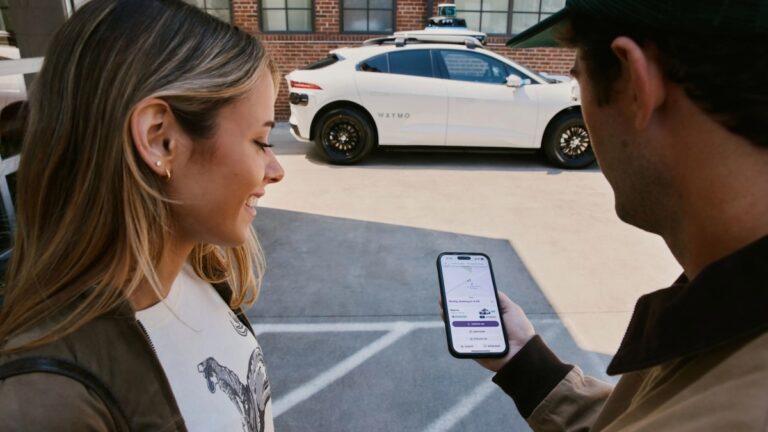
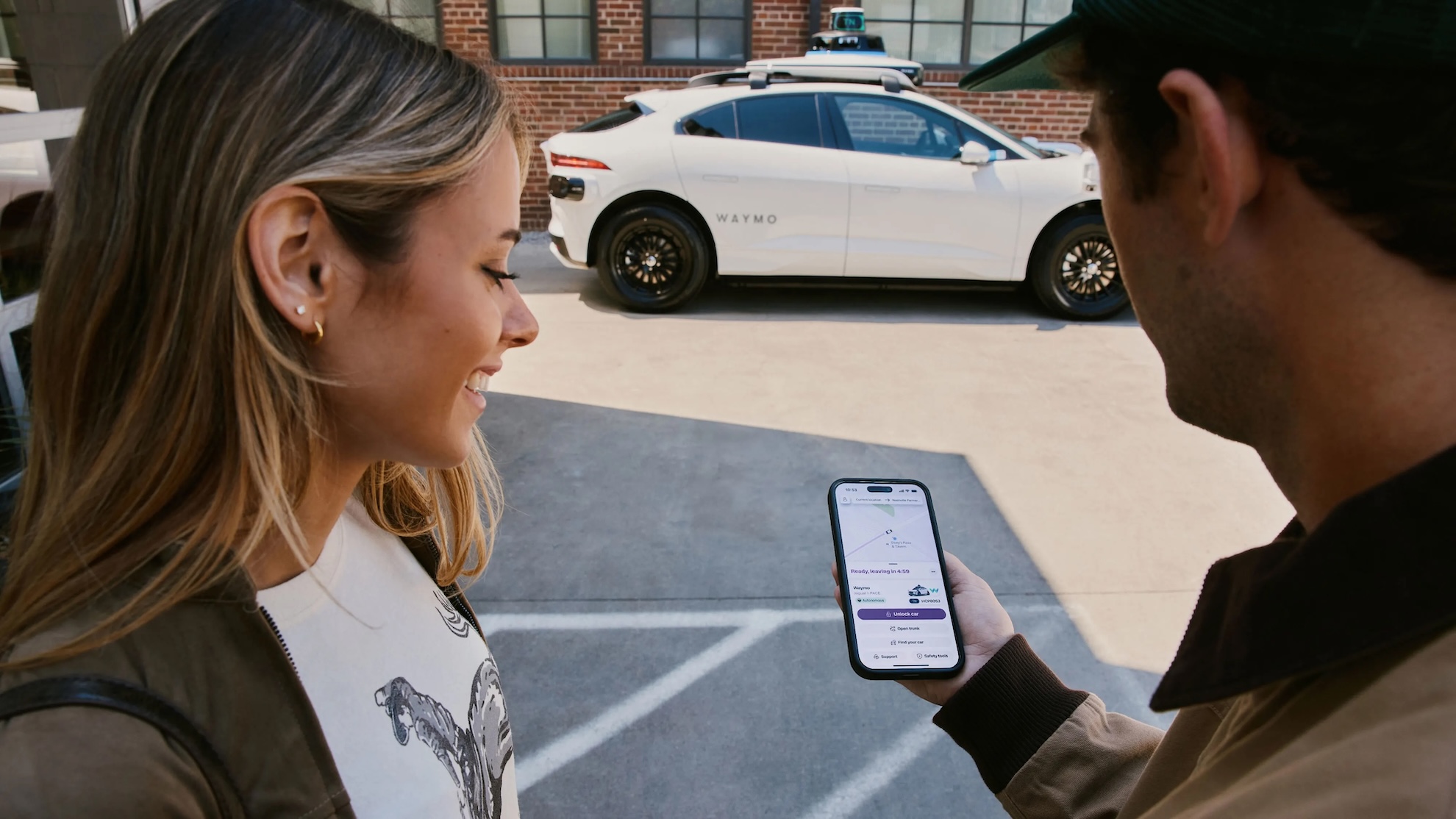
Lyft has taken its first step into commercial robotaxi operations by bringing Waymo driverless vehicles to its app in Nashville. The partnership represents a marked shift for the ride-hailing company, which spent years and hundreds of millions developing autonomous vehicle technology before exiting the space in 2021, only to return through partnerships with established AV operators.
Customers in Nashville can now request a Waymo robotaxi directly from the Waymo app or through Lyft’s platform, which connects riders with available vehicles depending on what is accessible at any given moment. The arrangement delegates operational responsibilities to Lyft’s subsidiary Flexdrive, which manages vehicle maintenance, fleet readiness, and depot operations—functions that allow Waymo to concentrate on the underlying autonomous driving capabilities.
Lyft’s Autonomous Vehicle History
This Nashville launch represents a reversal of fortune for Lyft in the autonomous driving space. The company spent four years and millions of dollars building its own self-driving technology through a division called Level 5, only to sell that entire unit to Woven Planet Holdings, the autonomous vehicle subsidiary of Toyota, for $550 million in 2021. The sale came during a broader period of consolidation in the nascent autonomous vehicle industry, as many ride-hailing and automotive companies retreated from expensive, lengthy AV development efforts.
After divesting Level 5, Lyft stepped back from autonomous vehicle development to refocus on its core ride-hailing operations. However, the company did not abandon the concept of integrating driverless services into its platform. Instead of building the technology internally, Lyft began exploring partnerships with companies that had already developed viable robotaxi systems.
Building a Portfolio of AV Partners
Over the years, Lyft has dabbled with multiple autonomous vehicle operators. The company integrated Aptiv, now operating under the brand Motional, into its Las Vegas service; partnered with May Mobility in Atlanta; worked with Baidu in London; and operated with Waymo in Phoenix. Each arrangement offered a different model for how Lyft could offer driverless options without bearing the development costs.
What distinguishes the Nashville launch is its scope and maturity. Previous Lyft partnerships often involved limited trials, human safety operators, or restricted service areas. Nashville marks the first instance where Lyft customers can access a fully driverless commercial robotaxi service through the company’s main app, without a human operator behind the wheel.
Why Nashville Matters
Nashville represents both a logistical choice and a signal about Lyft’s strategic thinking. The city has proven receptive to autonomous vehicle testing and commercial deployment, providing regulatory clarity that allows operators to expand service without the constant uncertainty that persists in many U.S. markets. For Lyft, operating a hybrid network of human-driven and autonomous vehicles from the outset streamlines the experience—riders see one app and one unified service rather than fragmented options.
Jeremy Bird on Expansion and Global Markets
Jeremy Bird, Lyft’s executive vice president of growth, oversees the company’s international operations, luxury services, and autonomous vehicle strategy—a portfolio that reflects Lyft’s ambitions to weave all three threads together. In discussing the Nashville milestone, Bird signaled that 2026 will bring significant expansion of Lyft’s AV presence, though he declined to identify specific new cities immediately.
Bird emphasized that Lyft entered 2026 with two primary partnerships in focus: Waymo in Nashville and Baidu in London, where commercial service has not yet launched. “I think next year what you’ll see is more diversification of that,” Bird said, adding that Lyft hopes to expand existing partnerships. “I think next year will be a big year for us.”
The International Strategy
International markets have become central to Lyft’s robotaxi planning. Bird repeatedly characterized Lyft as a global company—a marked departure from the company’s U.S.-centric focus of just a few years ago. He singled out London as a “fascinating market” where regulatory conditions and market maturity create opportunities to launch hybrid networks pairing autonomous and human-driven vehicles from day one.
Lyft is deliberately targeting markets where autonomous vehicles operate under clear regulatory frameworks, viewing those jurisdictions as higher priorities for expansion. Bird stated this directly: “Is it a market where AVs are already open regulatorily, or that would put that market up higher on our list of the places we want to go?” This regulatory-first approach explains why London and other international cities may see Lyft’s AV expansion before additional U.S. markets.
The Hybrid Network Model
Central to Lyft’s international strategy is the hybrid network concept. By launching robotaxis and human-driven services simultaneously in a new market, Lyft avoids the operational fragmentation that comes from adding driverless service later. Bird characterized this as integral to how Lyft evaluates new opportunities: “We are a global company becoming more global, which is important for us. And AVs will be the way we think about the future.” For Lyft, whether a market has regulatory readiness for autonomous vehicles now determines whether the company will prioritize entering that geography.
The Broader Robotaxi Landscape
Lyft’s Nashville launch arrives amid accelerating autonomous vehicle activity worldwide. Pony.ai, a Chinese autonomous vehicle developer, and Verne, a Croatian company associated with entrepreneur Mate Rimac, began fully driverless test rides with passengers on public roads in Zagreb. Spain issued its first national autonomous vehicle permits to WeRide and its partners Uber and Avomo. China’s Neolix began closed-course testing in Japan, while Pony.ai removed safety operators from test vehicles during demonstrations in Doha, Qatar, though its commercial robotaxi service in Doha still operates with human drivers.
This global wave of autonomous vehicle testing and limited commercial deployment reflects growing confidence in driverless technology among both regulators and operators. However, most jurisdictions remain cautious, deploying robotaxis in defined geographies with restricted hours or specific use cases before broader rollout.
For Lyft, the strategy of partnering with specialized AV operators rather than developing technology in-house appears to be succeeding where the company’s internal efforts did not. By licensing proven autonomous systems from Waymo and Baidu while handling the operational and customer-facing elements, Lyft can scale robotaxi services without the enormous capital and talent investments that derailed its Level 5 division. Whether this model generates sustainable competitive advantage or simply delays Lyft’s next autonomous vehicle reckoning remains an open question.
Frequently Asked Questions
How can customers access Waymo robotaxis through Lyft?
Customers in Nashville can request a Waymo robotaxi directly from either the Waymo app or the Lyft app, which matches riders with available vehicles. Lyft's subsidiary Flexdrive handles vehicle maintenance, fleet readiness, and depot operations.
Why did Lyft sell its autonomous vehicle division in 2021?
Lyft sold its Level 5 autonomous vehicle division to Woven Planet Holdings, Toyota's AV subsidiary, for $550 million after spending four years and millions developing the technology. The sale occurred during broader industry consolidation as many companies retreated from expensive, long-term AV development efforts.
What other autonomous vehicle partnerships does Lyft have?
Lyft has partnerships with Motional (formerly Aptiv) in Las Vegas, May Mobility in Atlanta, Baidu in London, and Waymo in both Phoenix and Nashville. The company is prioritizing expansion of existing partnerships, particularly with Waymo and Baidu, in 2026.
