
Key takeaways
- OpenAI's ChatGPT Wallet lets AI agents complete purchases with biometric user approval and payment tokenization to protect card details.
- Meta's Muse has 10 million users with AI shopping as a top activity, while DoorDash and Uber report surprisingly low agent-driven order volumes.
- Amazon bans AI agents to favor Alexa, presenting the biggest retailer obstacle to broader agentic commerce adoption.
- Future wallet updates will add spending limits, category restrictions, and time-based controls letting users pre-authorize agent purchases.
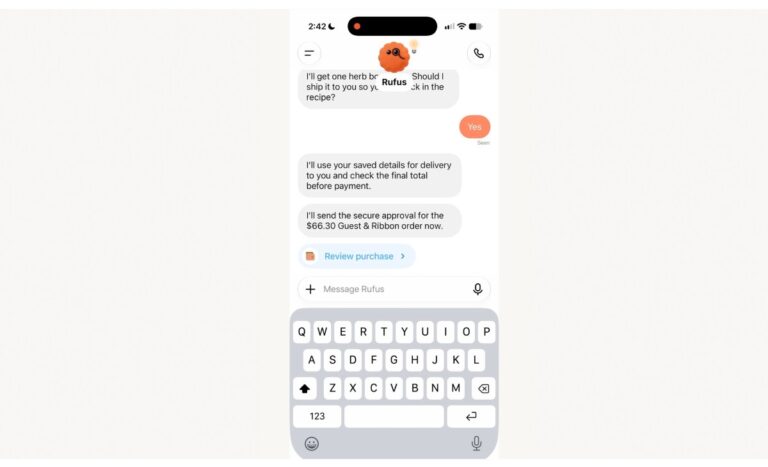
OpenAI has introduced a wallet feature that positions its AI agents (known as dots) to handle shopping tasks autonomously. The new capability lets agents help users identify products, make purchasing recommendations, and complete checkout directly on their behalf. The initial rollout targets a select group of U.S.-based ChatGPT Pro subscribers, restricted to adults ages 18 and older who hold U.S.-issued credit cards from Visa, Mastercard, or American Express.
The launch arrives as consumer-facing AI tools search for genuine product-market fit, seeking concrete ways to make everyday tasks faster and simpler. The wallet represents one of the more tangible applications of agent technology beyond conversation and content creation.
Setting Up and Using Agentic Shopping
Getting started involves a straightforward one-time setup. Eligible ChatGPT Pro subscribers add their qualifying payment cards to ChatGPT Wallet. Once cards are registered, users need not re-enter payment information for future purchases.
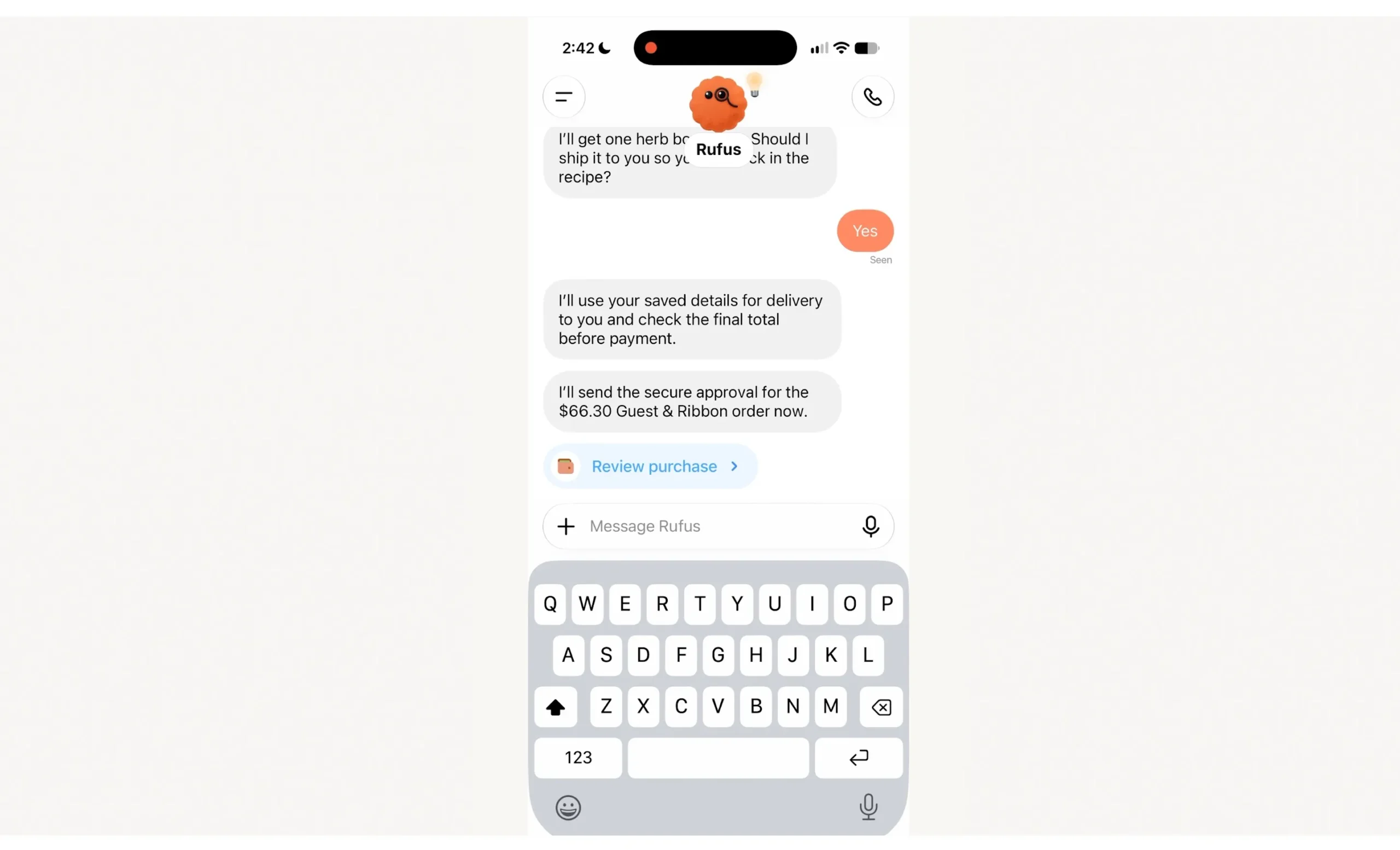
When ready to shop, subscribers ask their dot for assistance. The agent then conducts research, evaluates options, and surfaces product recommendations. The process treats the user as the final decision maker.
The Approval Gate
Before any purchase commits funds, the system pauses for user review. Subscribers see the items their dot selected, the total cost, and confirmation of which card will be charged. This review step ensures users maintain visibility into spending decisions their agents make.
Authorization requires biometric verification by Face ID or fingerprint, which generates a transaction record proving the user explicitly approved the purchase. Only after this security gate passes does the payment process initiate.
Payment Mechanisms and User Protection
OpenAI uses payment tokenization to protect user financial data. Rather than sharing actual card numbers with either the dot or the merchant, the system creates a payment token that substitutes for the real card details. This architecture prevents merchants and agents from accessing sensitive information while still allowing transactions to process.
Merchant Experience and Fulfillment
On the merchant side, the system automatically supplies necessary fulfillment information: shipping addresses and contact details. Merchants receive what they need to pack and deliver orders, yet user privacy remains intact through token-based payment processing.
Retaining Card Benefits
Users retain all standard protections and benefits that come with their cards. Credit card reward programs continue to function normally; purchases made via dot agents earn the same points or cash back as direct purchases. If questions arise about a transaction, users can dispute charges through their card issuer using normal processes.
The Competitive Landscape: Progress and Obstacles
OpenAI’s timing reflects broader industry movement toward agentic commerce, though adoption rates tell a mixed story. According to TechCrunch’s reporting, DoorDash and Uber have each observed surprisingly low volumes of orders placed through AI agent interfaces, suggesting that the average user has not yet embraced agent-driven commerce as a routine behavior.
The story diverges sharply at Meta. The company’s Muse shopping assistant has grown to exceed 10 million users, with AI-assisted shopping emerging as one of the platform’s highest-engagement features. This suggests the use case can scale substantially when integrated into a platform users already visit daily.
Other personal AI agents, including Instinct, have also implemented purchase capabilities, indicating that multiple teams identify opportunity in agentic commerce. The question remains whether these isolated successes point to a broader shift in user behavior or represent early-adopter enthusiasm in a narrower segment.
The Retailer Barrier
OpenAI’s ability to expand the wallet feature depends significantly on retailer cooperation, a variable the company cannot fully control. A growing number of retailers have implemented technical barriers that prevent AI agents from accessing their sites and systems. These blocks range from site-level protections to explicit terms-of-service restrictions.
The most prominent restriction comes from Amazon, the world’s largest e-commerce retailer. Amazon has banned AI agent access to its platform as part of a deliberate strategy to direct users toward its own AI assistant, Alexa, for shopping decisions. This creates a competitive dynamic where the largest marketplace actively discourages the use of third-party agents.
To address this challenge, OpenAI published a Commerce Partner Playbook offering tools and guidance to retailers interested in supporting agent-based purchases. The playbook outlines integration methods and best practices, signaling OpenAI’s commitment to building infrastructure that makes agentic commerce viable at scale. However, merchant adoption of the playbook remains an open question.
Controlled Expansion and Future Controls
The limited availability at launch serves OpenAI’s testing objectives. The company plans to introduce expanded controls that let users configure agent behavior more finely before rollout to broader audiences.
Future updates will include spending limits, purchase category restrictions, and time-based controls. These guardrails would allow users to set parameters like “approve purchases up to $50 in the grocery category” or “allow purchases only between 9 AM and 5 PM.” Users could then pre-authorize certain transaction types, letting agents handle routine purchases more autonomously while still operating within defined constraints.
OpenAI also plans to extend the wallet to a larger universe of supported retailers. Realizing this goal depends partly on overcoming the retailer opposition that currently fragments the landscape.
Proving Agent Commerce Can Scale
The wallet feature tests whether AI agents can move from conversational novelty to practical utility that changes how people actually shop. Meta’s Muse results suggest the behavior can achieve scale. Simultaneously, tepid adoption at DoorDash and Uber indicates that agent-driven commerce is not yet a reflexive user behavior.
OpenAI’s approach involves building foundational infrastructure including secure payment systems, biometric authorization, and token-based protection that makes agentic commerce technically viable. The company is banking on improved reliability and merchant support to drive user adoption upward. Outcomes will depend on how many retailers embrace the Commerce Partner Playbook, whether user trust in agent decision-making grows, and ultimately whether the convenience of delegated shopping outweighs users’ preference for direct control over their purchases.
Source: TechCrunch
Frequently Asked Questions
How does OpenAI protect payment information when AI agents make purchases?
ChatGPT Wallet uses payment tokenization, creating a token substitute for the user's actual card number rather than sharing real card details with the merchant or agent.
Who is currently eligible to use ChatGPT's wallet feature?
The feature is available to a limited group of U.S. ChatGPT Pro subscribers ages 18 and older who hold U.S.-issued Visa, Mastercard, or American Express cards.
What spending controls are planned for future versions of the wallet?
OpenAI plans to add spending limits, purchase category restrictions, and time-based controls that would allow users to pre-authorize certain types of purchases.
