
Key takeaways
- Even Healthcare's $50 million Series B will support expansion from two to seven hospitals across Bengaluru by shifting compensation from procedure volume to patient outcomes.
- The company reports a sub-1% readmission rate versus industry benchmarks of 8-15% after implementing fixed physician salaries and equity incentives for all staff.
- Despite operational success, Even posted a $9.5 million net loss in fiscal 2025 but plans to scale expansion before pursuing profitability.
Even Healthcare raised $50 million in Series B funding led by Khosla Ventures, with additional backing from Alpha Wave, establishing a $300 million valuation for the Indian healthcare startup. The round brings total capital raised to above $120 million, with the valuation representing a tripling from 18 months prior.
The funding signals Khosla Ventures’ deepened commitment to Even’s thesis: that Indian hospital economics systematically misalign incentives away from patient welfare. In India’s typical hospital structure, facilities earn more revenue when patients undergo additional diagnostic tests, procedures, or longer hospital stays, regardless of clinical necessity. Even was founded to invert that model by rewarding health outcomes rather than treatment volume.
Vinod Khosla, founder of Khosla Ventures, said the early results were compelling. “The clinical and economic results so far give us conviction that this can become an important new model for healthcare in India and beyond,” Khosla stated. Khosla’s firm has backed Even since the company’s 2021 seed round, making this Series B round a continuation of the partnership.
From network intermediary to hospital owner
Even Healthcare was founded in 2021 by Mayank Banerjee, Matilde Giglio, and Alessandro Ialongo. The company initially operated as a network model, negotiating with existing hospitals to serve patients and manage costs from an intermediary position, similar to a self-insured employer or captive insurance entity.
After monitoring outcomes across partner hospital relationships, Even’s team identified a recurring problem: partner facilities were ordering diagnostic tests and recommending surgeries that Even’s clinical staff considered unnecessary. The discovery prompted a strategic pivot toward ownership.
“We think patients are getting not only a bad experience, but insurers are getting a bad economic deal. And as a result, we decided to fix it by building our own hospitals,” Banerjee told TechCrunch.
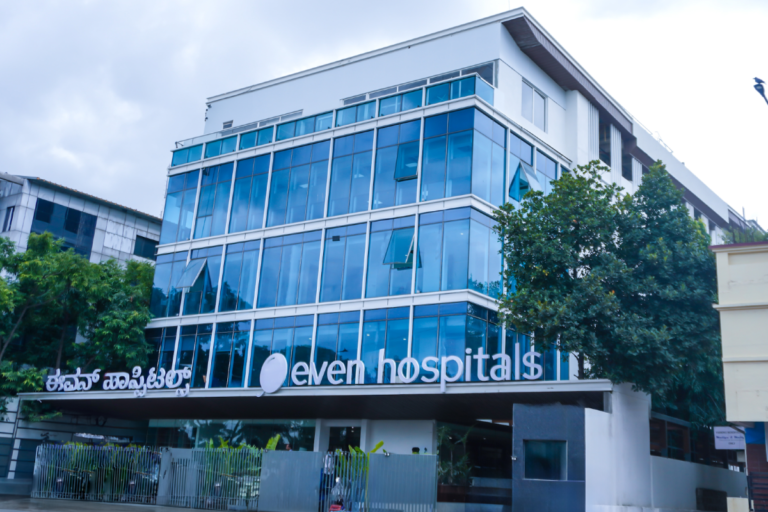
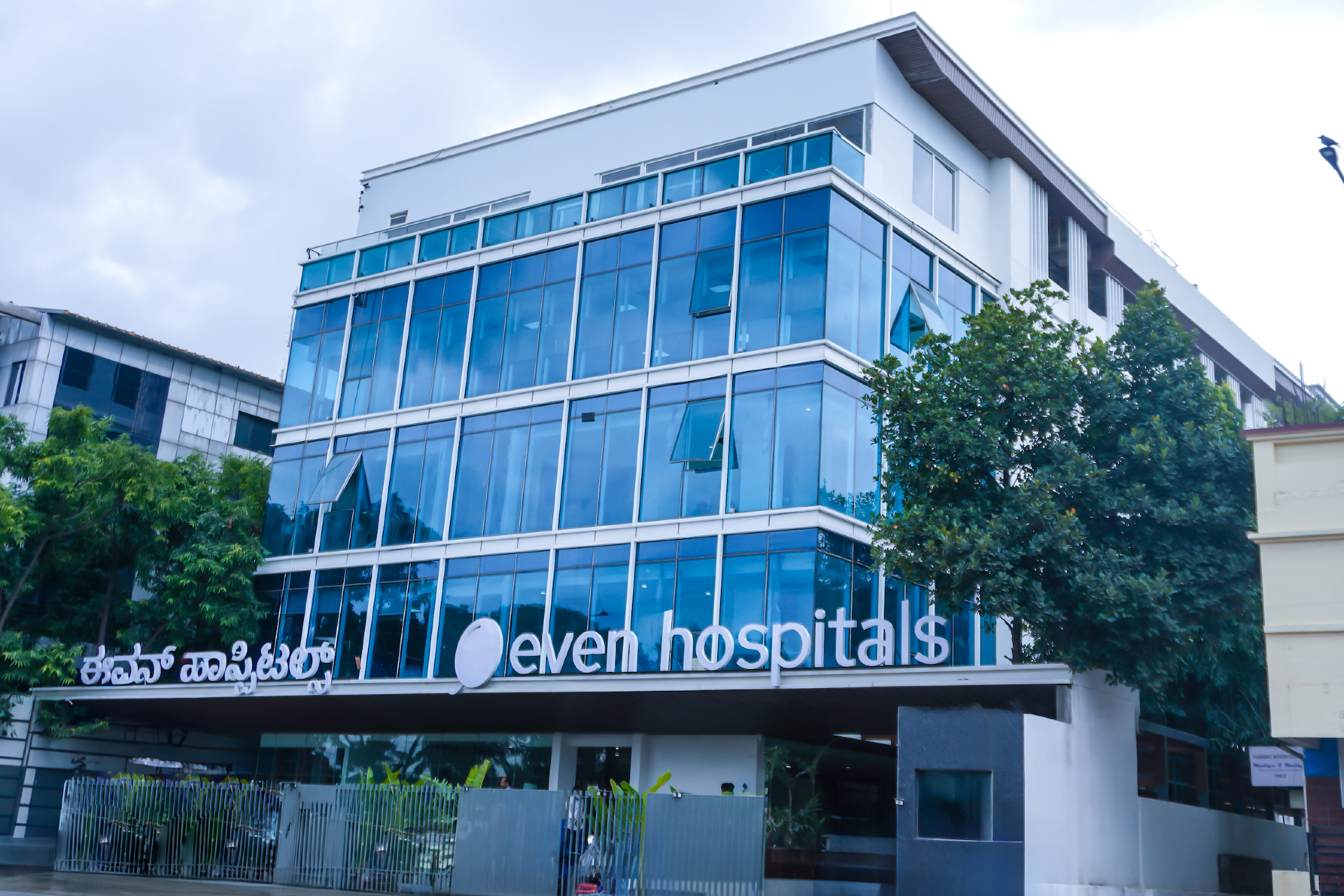
Even opened two hospitals in Bengaluru, with both reaching operational profitability (excluding depreciation) within their first year. The new funding supports expansion to five additional facilities in the same city over the next six months. The company enters long-term leases on hospital buildings, typically 20 years, and finances facility renovation and medical equipment acquisition.
Separating physician compensation from procedure volume
Fixing the fee-for-service model
Even’s operational model centers on restructuring how hospitals compensate their staff. Physicians are paid fixed salaries rather than per-procedure or per-test fees, decoupling doctor income from the volume of healthcare services delivered. However, doctors can earn performance bonuses tied to patient-reported clinical outcomes, measured using established medical scoring systems. Even uses the Oxford Knee Score for knee replacements to track these outcomes.
Aligning hospital management with outcomes
Hospital management faces identical compensation structures. Administrators receive salaries and company-wide bonus incentives not tied to procedure counts. Marketing and patient acquisition teams focus on bringing patients to Even rather than optimizing the revenue each patient generates. Every employee, from senior physicians to support staff, receives equity in Even as part of compensation, linking individual financial outcomes to the company’s long-term performance rather than its short-term billing.
Tracking outcomes and defining new revenue models
Revenue streams beyond patient payments
Patient out-of-pocket payments provide Even’s primary revenue source. The company also generates income through relationships with insurers covering groups of patients and is developing new models to compensate Even when it prevents hospitalizations, shifting from a volume-based to an outcome-based reimbursement structure with payers.
Publishing performance metrics
Even publishes outcome data publicly on its website, comparing its hospital performance to industry benchmarks. The company reports an unplanned hospital readmission rate below 1%, compared to the industry benchmark of 8 to 15%. Patients at Even hospitals spend 40% less time hospitalized than typical stays. Even claims its approach has saved insurer partners ₹500 million, approximately $5.27 million, though this figure represents cumulative savings rather than annual impact.
Even currently serves approximately 250,000 members and has recorded over 750,000 patient interactions since its founding in 2021. These interactions encompass consultations, diagnostic tests, and surgical procedures combined.
The profitability challenge
Despite operational success at its two existing hospitals, Even remains unprofitable company-wide. Regulatory filings show a net loss of ₹902 million, roughly $9.50 million, in fiscal 2025, a 25% year-over-year increase. Revenue for the same period totaled ₹272 million, approximately $2.86 million, yielding a loss-to-revenue ratio exceeding 3:1.
The company conducted a significant workforce restructuring in August, laying off approximately 350 employees from a total staff of about 650, which includes approximately 300 full-time physicians. Banerjee described the decision as difficult and noted that affected employees received severance payments, extended health insurance coverage, and accelerated equity vesting.
Banerjee told TechCrunch that Even could achieve profitability within months by halting expansion, but the company is prioritizing patient growth instead. He declined to commit to a specific profitability timeline.
The strategic bet
Jai Sajnani, a partner at Khosla Ventures, highlighted Even’s hospital performance as the rationale for leading the Series B. “We look forward to helping the Even team put quality care within reach of every family in Bengaluru and across India,” Sajnani said.
Even’s model tests a fundamental hypothesis about healthcare economics: that misaligned incentives, not clinical incompetence, drive unnecessary treatment in developing healthcare markets. The readmission rates and length-of-stay figures at Even’s two hospitals provide evidence supporting this theory. Expansion to seven total hospitals represents a critical scaling phase that will determine whether Even can maintain clinical and financial metrics as it grows, or whether the model’s success was specific to its founding locations. Success could position Even as a blueprint for restructuring hospital incentives across India, while failure would limit its scope to a regional operator.
Source: TechCrunch
Frequently Asked Questions
What is Even Healthcare's core business model?
Even operates hospitals in India with compensation structures aligned to patient outcomes rather than treatment volume. Doctors receive fixed salaries with outcome-based bonuses, and all employees receive equity ownership to align long-term financial incentives with the company's performance.
What funding did Even Healthcare raise and who led it?
Even raised $50 million in Series B funding led by Khosla Ventures with participation from Alpha Wave, valuing the company at $300 million. The round brings total capital raised to over $120 million.
What are Even Healthcare's reported performance metrics?
Even's hospitals report an unplanned readmission rate below 1% compared to the industry benchmark of 8-15%, patients spend 40% less time hospitalized than typical, and the company claims to have saved insurer partners ₹500 million, approximately $5.27 million.
