
Key takeaways
- Tesla restricted children under 13 from Cybercab rides while allowing ages 8-17 in Robotaxi Model Y, without publicly explaining the policy difference.
- The Cybercab eliminates child seat LATCH anchors, uses brake-by-wire instead of hydraulics, and features windows that cannot fully open—choices prioritizing cost and autonomous operation.
- Automatic door unlocks during crashes and visible manual overrides address past criticism of Tesla's electronic door latches, including a 3 million-vehicle recall in China.
- An NHTSA investigation into the Cybercab's rollout signals federal scrutiny as Tesla attempts to demonstrate autonomous vehicle safety and market viability.
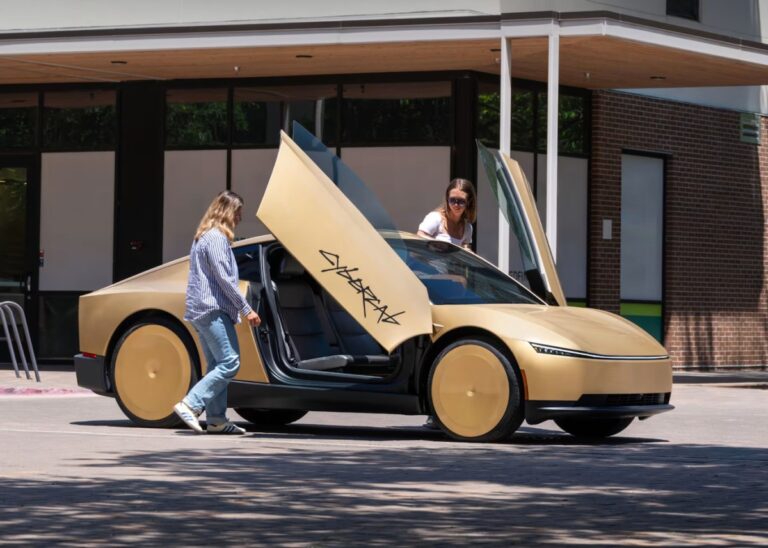
Tesla held a private event to introduce its Cybercab, marking a significant departure from the company’s typical approach to vehicle announcements. Rather than a large, livestreamed spectacle, the event remained restricted to a select audience, with the keynote lasting approximately 15 minutes. Elon Musk, who has publicly championed the project for years, apparently did not address attendees. Instead, Tesla distributed product details through PDFs and updated terms of service within its Robotaxi app, leaving additional specifications to be disclosed by attendees and enthusiasts online.
The Cybercab itself represents Tesla’s technological bet on autonomous mobility: a fully self-driving vehicle that uses only camera vision and artificial intelligence to navigate, without requiring radar, lidar, or human steering input. Tesla markets it at a price substantially lower than competing autonomous vehicles from Waymo and other developers. The subdued launch contrasts with the company’s public confidence in the technology, likely reflecting the need to demonstrate safety to regulators, local governments, and the National Highway Traffic Safety Administration, which has already opened an investigation into the Cybercab’s rollout.
A Restricted Ridership Policy
One of the more striking details emerging from the Cybercab’s fine print is Tesla’s age restriction on passengers. The company prohibits children under 13 from riding in the vehicle “at this time.” This policy creates an unusual distinction from Tesla’s Robotaxi Model Y SUVs, which allow passengers between 8 and 17 years old, provided an adult accompanies them. Tesla’s terms specify that all passengers under 18 in either vehicle must be accompanied by an adult at all times.
The restriction becomes more puzzling when considered alongside Tesla’s public emphasis on design efficiency and cost reduction. The Cybercab omits the standard LATCH system used in most vehicles to anchor child seats securely. Instead, car seats must be attached using only the seat belt mechanism. Executives, including Musk, have repeatedly emphasized the elimination of non-essential components to reduce manufacturing costs and improve the vehicle’s economics. Yet the removal of child seat anchors appears incongruent with Musk’s public statements about the importance of increasing birth rates globally.
The reasoning remains opaque
Tesla has not publicly explained why children under 13 cannot use the Cybercab at launch. The restriction could stem from concerns about how the vehicle’s electronic systems perform during crashes involving young passengers, from crash test data specific to vehicles without traditional child seat anchors, or from the company’s assessment of safety protocols in autonomous vehicles. The language “at this time” suggests the policy may evolve as operational data accumulates.
Crash Response Systems and Electronic Doors
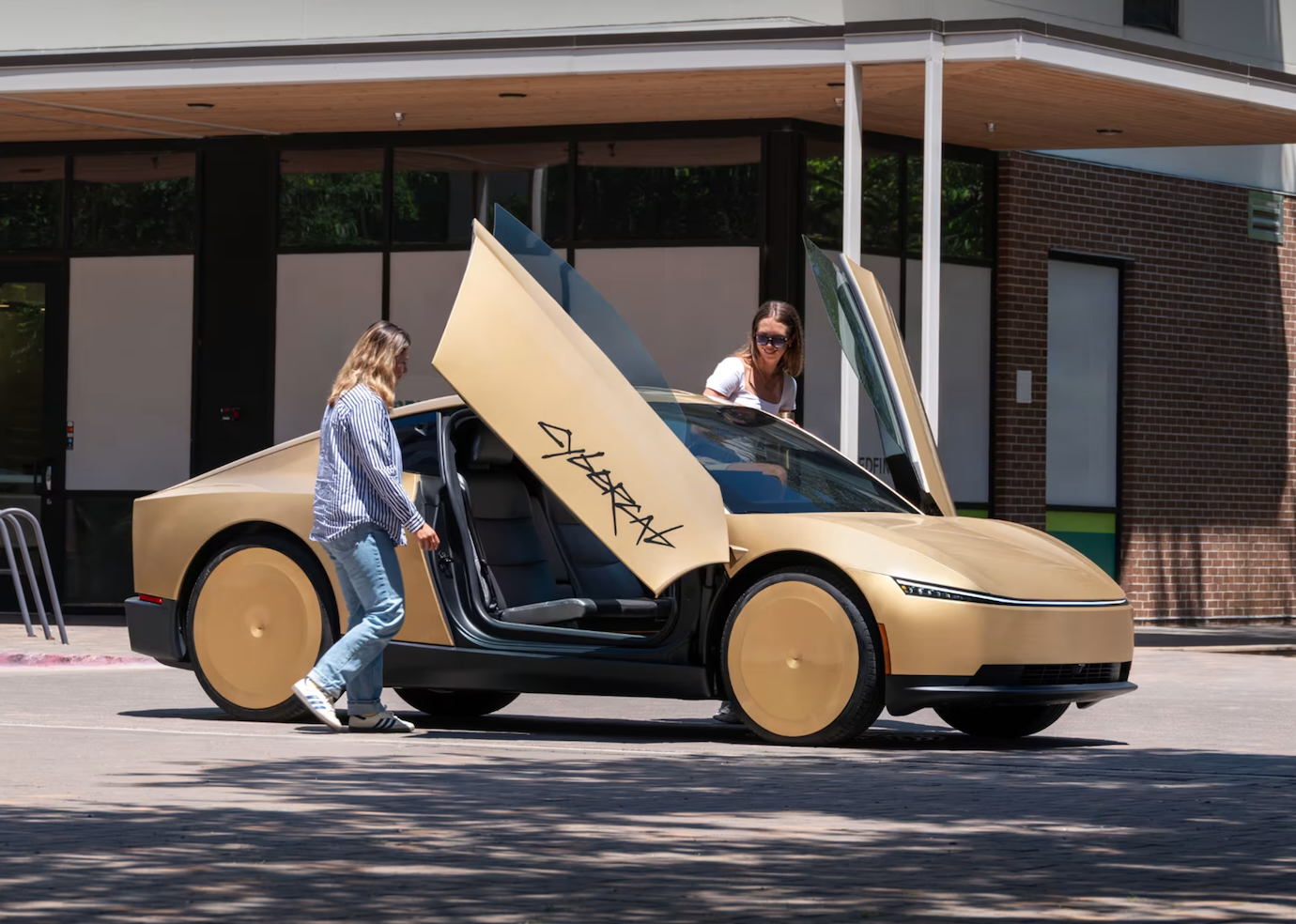
Tesla’s crash response protocol reveals the extent to which the Cybercab relies on active electronic systems during emergencies. When a collision occurs, the vehicle automatically deploys airbags, unlocks all doors, activates hazard and interior lighting, disables the high-voltage battery, positions windows to a ventilation setting, and applies the brakes to bring the vehicle to a controlled stop. The infotainment system simultaneously initiates a two-way communication channel between occupants and Tesla’s rider support operations team.
The automatic door unlock during crashes addresses a persistent regulatory and reputational challenge for Tesla. The company has faced sustained criticism in the United States and internationally, particularly in China, over its dependence on electronic door latches. Critics argue that these latches can fail during collisions, potentially trapping occupants. Tesla’s regulatory burden intensified when the company agreed to recall 3 million vehicles in China just one month prior to the Cybercab event, as part of a broader investigation by Chinese authorities into electronic door latches that could entrap passengers following crashes.
Manual releases designed for visibility
To address these safety concerns and regulatory pressure, Tesla engineered the Cybercab’s manual door release to be immediately visible and easily accessible, located prominently on each door’s armrest. The vehicle also includes a small external button that passengers can use to open doors manually. These redundancies stand in contrast to earlier Tesla vehicles, where interior manual door releases have been criticized for being difficult to locate during emergencies. The electronic latches themselves unlock automatically at the beginning and end of each ride, eliminating the need for occupants to activate them via button press or smartphone application—requirements that apply to other Tesla vehicle models.
Brake-by-Wire and Other Architectural Choices
The Cybercab uses a brake-by-wire system instead of conventional hydraulic brakes. Electronic actuators directly control the brake calipers, eliminating the hydraulic fluid, pumps, lines, and plumbing associated with traditional brake systems. Musk framed this design decision as a means to reduce system complexity and lower manufacturing costs. The brake-by-wire approach extends Tesla’s broader strategy of transitioning away from mechanical systems, as evidenced by the steer-by-wire system already implemented in the Cybertruck, which severs the physical linkage between the steering wheel and the front wheels.
Unexplained window limitation
A puzzling specification in the Cybercab is that its windows cannot be fully opened, according to Tesla’s documentation. The company provided no explanation for this constraint, raising questions among analysts and enthusiasts about whether it reflects a technical limitation, a design philosophy choice, or a safety measure specific to autonomous operation in urban environments.
Consumer-Facing Amenities
The vehicle incorporates modern conveniences, including USB-C outlets that deliver 90 watts of power, according to reports from influencer Jeremy Judkins. This power output is approximately four times higher than typical automotive USB ports, enabling faster charging for smartphones, tablets, and other devices—a premium feature positioned toward urban riders accustomed to rapid-charging technology.
Regulatory Investigation and Public Proof
The National Highway Traffic Safety Administration’s investigation into the Cybercab rollout signals that federal regulators are systematically reviewing the vehicle’s autonomous systems, safety protocols, and deployment parameters. Tesla must demonstrate to NHTSA, municipal authorities, and the public that the vehicle meets federal safety standards for driverless operation.
The company’s decision to conduct a private launch, releasing technical details through supplementary documentation rather than a public event, may reflect a strategic choice to manage regulatory messaging during this scrutiny. Unlike previous Tesla announcements, which functioned as media events and marketing spectacles, the Cybercab announcement prioritized technical disclosure and minimized public-facing promotion as the company navigates regulatory approval.
Frequently Asked Questions
Why does Tesla prohibit children under 13 from riding in the Cybercab?
Tesla's documentation provides no official explanation, only stating the restriction applies "at this time," suggesting it may change as the company gathers operational data.
What happens when a Cybercab crashes?
The vehicle automatically deploys airbags, unlocks doors, activates hazard and interior lights, disables the high-voltage battery, positions windows to vent, applies brakes, and connects occupants with Tesla's rider support team.
How does the Cybercab's brake system differ from traditional vehicles?
The Cybercab uses brake-by-wire technology, with electronic actuators directly controlling brake calipers instead of hydraulic fluid and plumbing, reducing system complexity and costs.
