
Key takeaways
- NHTSA opened a formal investigation into Tesla's Cybercab hours after deployment in Austin, examining whether the wheelless robotaxi violates federal safety standards.
- Zoox followed an identical regulatory path in 2022 and spent more than three years navigating approvals before launching commercial service in Las Vegas in July 2026.
- Under Zoox's exemption, autonomous vehicles face growth caps of 2,500 units per year for two years, suggesting Tesla may face similar deployment restrictions.
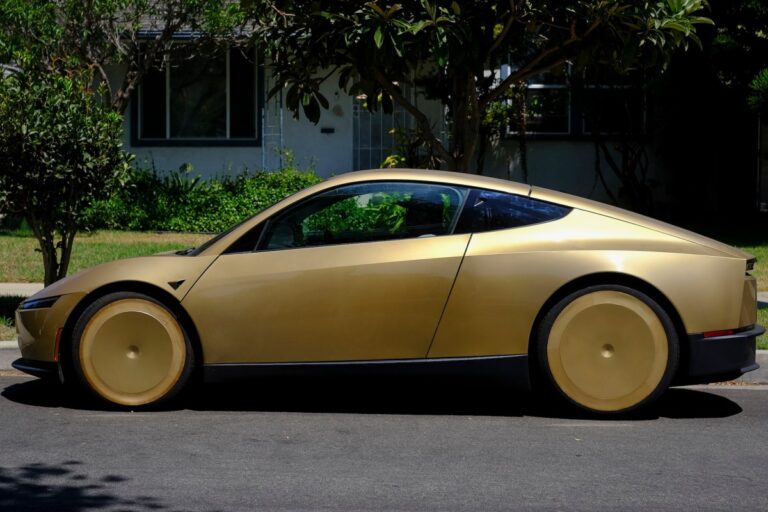
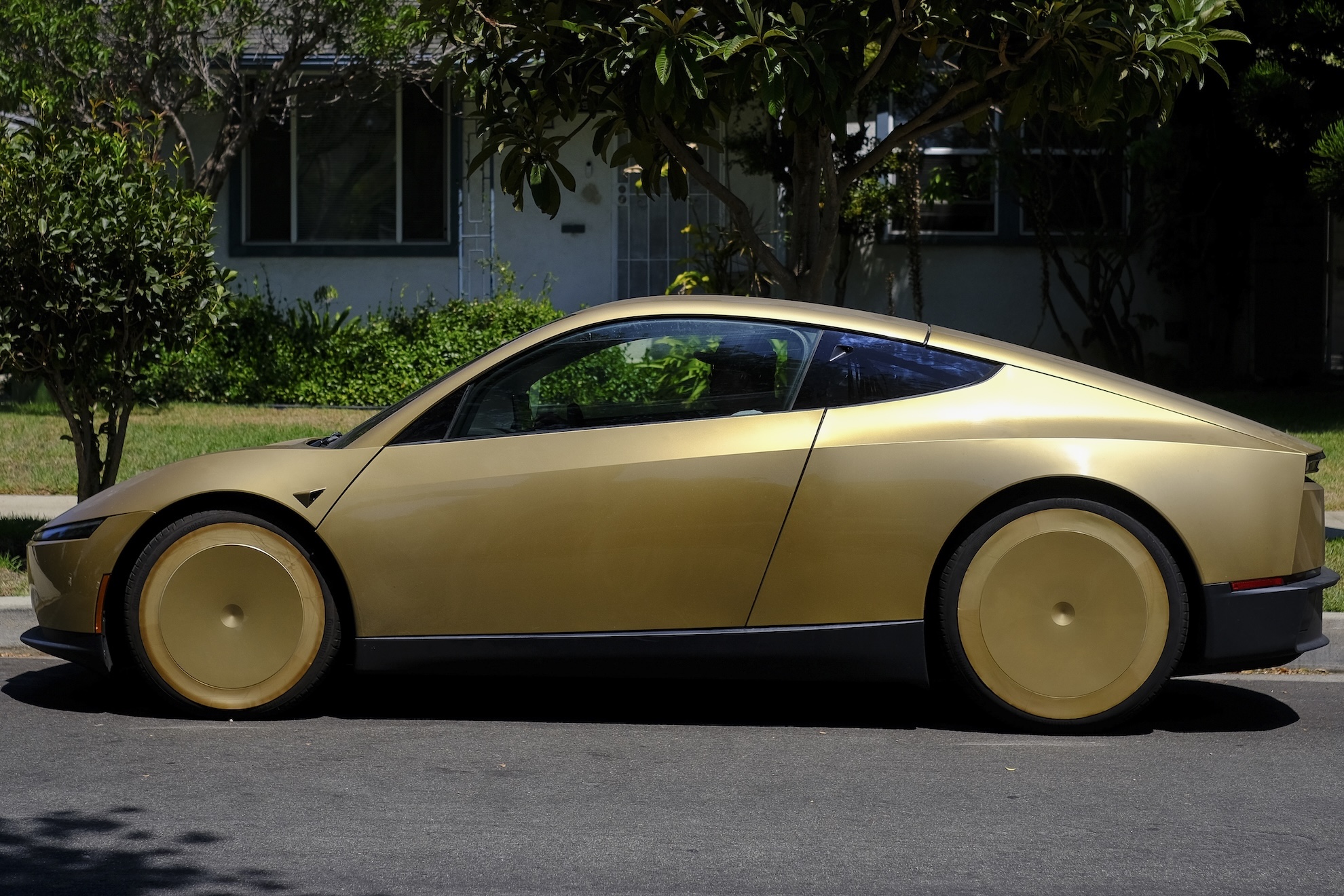
The National Highway Traffic Safety Administration launched a formal investigation into Tesla’s Cybercab deployment on Friday morning, mere hours after the company put the first vehicles on public roads in Austin, Texas. The investigation focuses on an unprecedented step for commercial autonomous vehicle deployment: launching a robotaxi without any steering wheel, brake pedals, or other manual controls that federal safety standards have traditionally required of all passenger vehicles operating in the United States.
What NHTSA is Investigating
Tesla informed NHTSA that it had self-certified the Cybercab as compliant with all applicable Federal Motor Vehicle Safety Standards (FMVSS). The self-certification process allows automakers to independently determine whether their vehicles meet federal requirements and deploy them without prior agency approval. This approach is standard in automotive regulation—manufacturers self-certify compliance as a routine part of bringing new vehicles to market.
However, the Cybercab presents a novel regulatory question that no manufacturer has successfully resolved until now. Federal safety standards have long mandated the presence of steering wheels, brake pedals, and other manual controls to allow drivers to take command of vehicles in emergencies or unexpected circumstances. A vehicle designed to never accept human input cannot comply with those mandates through any ordinary interpretation of existing rules.
NHTSA stated it will examine the technical data Tesla relied upon and the process by which Tesla certified the vehicle as compliant. The agency specifically wants to understand the reasoning behind Tesla’s conclusion that certain federal motor standards do not apply to the Cybercab. The investigation does not mandate immediate removal of vehicles from public roads but rather seeks to determine whether Tesla’s certification approach was valid and whether the company’s technical basis for its claims withstands scrutiny.
The Regulatory Conflict
Standards Written for Human Control
The Department of Transportation recently proposed rule changes that would remove manual control requirements specifically for vehicles designed to operate autonomously. However, those proposed changes have not yet taken effect, meaning existing standards technically remain in force. This creates the core conflict: Tesla’s Cybercab operates under safety regulations written for vehicles that must provide drivers with the ability to assume control in all circumstances.
Automakers can argue that specific standards do not apply to their designs—as Tesla has through its self-certification—but doing so invites regulatory scrutiny. The alternative path involves accepting that some standards cannot be met and seeking formal exemptions while committing to alternative safety measures.
Why This Matters Now
Autonomous vehicle regulation has long been a theoretical exercise, with manufacturers testing vehicles under exemptions or on private tracks. Tesla’s decision to deploy Cybercabs on public roads without federal pre-approval or exemption represents a break from that pattern. The company is operating commercially and carrying paying passengers (or intending to) under a vehicle design that self-certified compliance—placing the burden of regulatory validation on an ex-post investigation rather than seeking approval before deployment.
The Zoox Precedent
2022 Self-Certification Triggers Investigation
Tesla is not navigating untested regulatory territory. Amazon-owned autonomous vehicle company Zoox followed an identical path two years earlier, also self-certifying a robotaxi that lacked traditional controls. That vehicle took the form of a cube-shaped capsule designed to carry passengers but featuring no steering wheel, pedals, or conventional operator interface. When Zoox self-certified in 2022, NHTSA responded with the same investigative approach now applied to Tesla.
The agency issued what it termed a “special order,” requesting additional information from Zoox about its vehicle and certification process. A formal audit query followed in 2023, the same type of examination Tesla now faces. While Zoox maintained that the self-certification process was sufficient to validate its approach, the federal agency’s skepticism would shape the company’s regulatory journey for years to come.
Three Years to Provisional Approval
Zoox did not receive rapid approval. Instead, the company entered a multi-year process that illustrated how federal oversight of autonomous vehicles could unfold. In 2025, more than three years after the original self-certification and after navigating the special order and formal audit, NHTSA granted Zoox a temporary exemption from certain Federal Motor Vehicle Safety Standards. This exemption came with a critical limitation: it permitted Zoox to test and demonstrate its technology but explicitly prohibited commercial operation or revenue-generating rides.
Zoox then pursued a formal Part 555 exemption from eight specific Federal Motor Vehicle Safety Standards—a regulatory pathway distinct from initial self-certification. This second exemption represented the company’s attempt to move beyond demonstration into revenue-generating service. NHTSA issued final approval for this exemption in July 2026, eliminating what the company described as one of the last remaining regulatory hurdles before launching a commercial robotaxi service.
Commercial Launch and Operational Constraints
Zoox opened its commercial robotaxi operations in Las Vegas several weeks after receiving final approval in July 2026 and now actively charges passengers for rides. However, the approval came with explicit restrictions on fleet growth. NHTSA permitted Zoox to add 2,500 vehicles per year to its commercial fleet, with this cap remaining in place for two years. The restriction caps total expansion at 5,000 vehicles during the two-year exemption window—a significant constraint compared to conventional automotive manufacturing, where established models can scale to hundreds of thousands or millions of units annually.
Fleet Restrictions as Precedent
The tiered deployment approach NHTSA imposed on Zoox allows the federal agency to monitor safety data and vehicle performance as autonomous robotaxi fleets grow rather than permitting unlimited expansion immediately upon approval. This restriction serves as a potential model for how NHTSA might structure any approval for Tesla’s Cybercab and other autonomous vehicle manufacturers seeking to deploy similar technology. Rather than betting the entire autonomous vehicle industry on an untested design, NHTSA is using exemptions to gate deployment at manageable scales.
Whether NHTSA will apply the same annual vehicle limits to Tesla remains unknown. The Zoox exemption was temporary, expiring after two years, meaning Zoox would need to seek renewal or permanent approval for operations beyond 2028. Tesla may face comparable time-limited exemptions or different restrictions based on its investigation findings.
Timeline Implications for Tesla
The progression from Zoox’s 2022 self-certification to commercial service in 2026 stretched across more than four years, spanning a change in presidential administrations. Zoox navigated its approval under both the Biden and Trump administrations, suggesting that the autonomous vehicle regulatory process may have achieved some degree of consistency across political transitions. However, regulatory priorities can shift with new leadership, resources allocated to investigations can expand or contract, and the Department of Transportation’s stance on autonomous deployment timelines can change unpredictably.
Tesla’s current position differs from Zoox’s in one significant way: Tesla launched commercial operations immediately with Cybercabs on public roads without prior federal approval or exemption phase, whereas Zoox spent years in testing and demonstration before ever receiving permission to charge for rides. How NHTSA views this distinction—and whether the agency will require Tesla to follow the formal exemption pathway Zoox pursued—remains to be determined by the investigation’s findings.
The investigation announced Friday will not immediately halt Cybercab operations in Austin. NHTSA is examining Tesla’s certification process and technical basis for its compliance claims. The agency’s findings will determine whether Tesla must modify its approach, halt deployment, or pursue formal exemptions as Zoox did. The outcome will set a precedent for how federal regulators handle future autonomous vehicle deployments that challenge existing safety standards.
Frequently Asked Questions
Why is NHTSA investigating Tesla's Cybercab?
NHTSA is examining how Tesla self-certified the Cybercab as compliant with Federal Motor Vehicle Safety Standards, particularly how the company determined that standards requiring steering wheels and brake pedals do not apply to a vehicle designed to operate without human control.
Has another company faced this regulatory challenge?
Yes. Amazon-owned Zoox self-certified an identical autonomous vehicle design in 2022, triggering the same NHTSA investigation process. Zoox spent more than three years navigating regulatory approvals before receiving final approval in July 2026 to operate commercially.
Could Tesla face deployment restrictions like Zoox?
Zoox's exemption limits its fleet to 2,500 additional vehicles per year for two years, capping total expansion at 5,000 units. Tesla may face similar restrictions if NHTSA approves an exemption, though the outcome of the current investigation remains uncertain.
