
Key takeaways
- Rivian CEO RJ Scaringe is repositioning the company from an EV maker to a technology supplier licensing autonomous driving stacks, AI models, and custom silicon to other manufacturers.
- The company is developing its own 5-nanometer processor with Arm and TSMC, proprietary AI for vehicles, and a full autonomous driving system through a partnership with Uber.
- Rivian's $5.8 billion joint venture with Volkswagen Group is expected to expand to include AI and autonomous capabilities, while its 31-percent-owned Mind Robotics startup is building industrial robots for both internal use and external sales.
- The autonomous vehicle and robotics sector is experiencing significant investment waves, with startups raising hundreds of millions for autonomous trucking, construction vehicles, and robotaxi services.
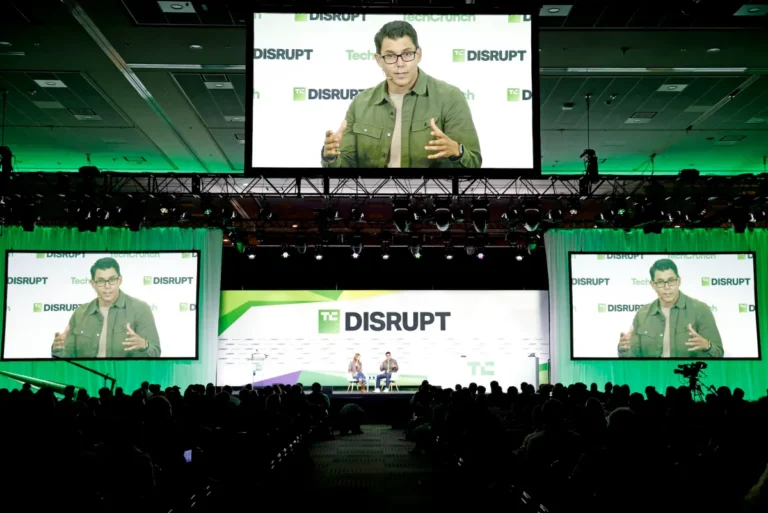
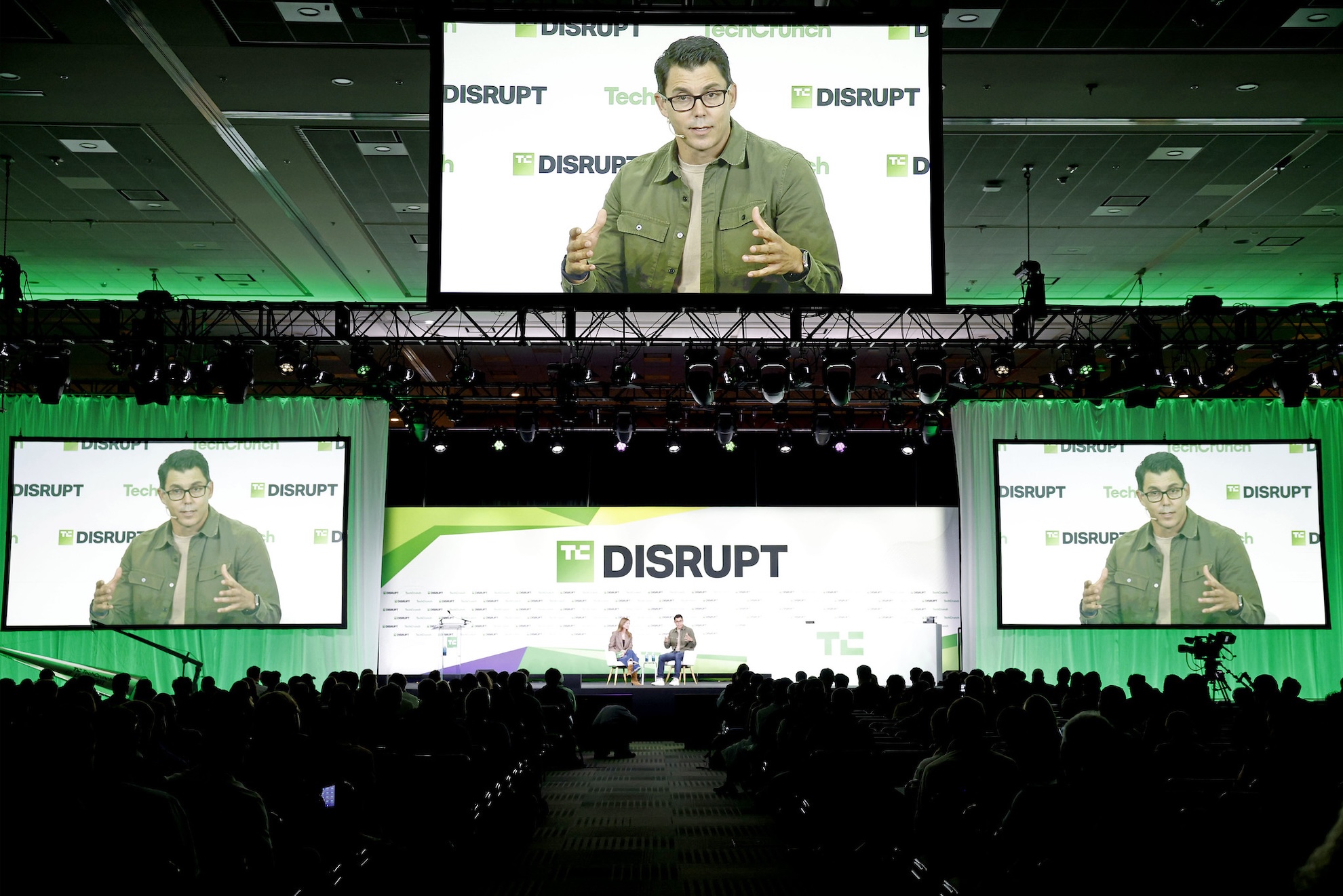
In an interview at TechCrunch Disrupt, Rivian CEO and founder RJ Scaringe outlined a vision for his company that extends well beyond building electric trucks and SUVs. Over the past year, Rivian has made a series of moves that paint a picture of a company transforming itself into a technology supplier, one that builds platforms, chips, and software systems potentially available to other manufacturers.
Rivian’s Technology Foundation
Rivian is far more vertically integrated than it was just two years ago. The company has developed custom silicon in partnership with Arm and TSMC: a 5-nanometer processor designed for autonomous systems. It has also created its own AI models to power an in-vehicle assistant, work that represents a significant step inward from relying on third-party vendors.
Building the Autonomous Stack
The company is developing an end-to-end autonomous driving system for both its own passenger vehicles and future robotaxis. This stack is being built through a partnership with Uber, which gives Rivian a real-world testing ground and a clear path to commercial deployment. Scaringe announced at Disrupt that Doug Field, a veteran of Ford, Apple, and Tesla, has been hired as president of Mind Robotics, Rivian’s 31-percent-owned robotics startup.
The Volkswagen Collaboration
Rivian’s most significant partnership remains its $5.8 billion joint technology venture with Volkswagen Group. The initial focus was electric architecture and software. Scaringe indicated the partnership could expand to include AI and autonomous driving capabilities, positioning VW with access to Rivian’s proprietary systems.
The Licensing Model
Scaringe’s long-term strategy appears centered on licensing Rivian’s technology to “many different brands.” This includes the electric architecture, the software stack, the AI models, and the autonomy systems the company is building.
Robotaxi as Revenue Stream
The Uber partnership represents the first concrete expression of this model. A successful robotaxi rollout could validate the autonomous stack and open doors to additional partnerships. Scaringe spoke in his Disrupt interview about how autonomy changes design possibilities for personally owned vehicles, suggesting the robotaxi business is one piece of a larger vision.
The Broader Rivian Ecosystem
Beyond Rivian itself, Scaringe has created two separate ventures. Also, a micromobility skunkworks program that has since spun out into its own startup, represents an attempt to expand Rivian’s footprint in transportation. Mind Robotics, the industrial robotics startup partially owned by Rivian, is building robots both for use in Rivian’s manufacturing and for sale to other companies.
Autonomy Spreads Across the Industry
Rivian’s ambitions exist within a broader wave of investment in autonomous vehicles and robotics. Bedrock Robotics, developing autonomous driving for construction vehicles, is raising $600 million according to Axios. Evos closed a $9 million pre-seed round for AI agents that automate work in industrial logistics. Mana Battery raised $10.15 million to commercialize anode-free sodium batteries, addressing power concerns in heavy vehicles.
The autonomous trucking sector is particularly active. Waabi secured a commercial partnership with carrier Warrior Logistics to operate self-driving trucks on the Dallas-Houston corridor. PlusAI filed a registration statement with the Securities and Exchange Commission for a merger with a special-purpose acquisition company, advancing toward a public listing.
Established players are expanding as well. Volvo announced an expansion of its partnership with Nvidia to enable hands-free, point-to-point driving on highways and surface streets. Waymo opened its robotaxi service to all users without waitlists in San Antonio, San Diego, and Tampa, while also expanding into Canada through a pilot program in Toronto.
The Vehicle as a Canvas
Scaringe’s vision includes rethinking vehicle design itself. In his Disrupt interview, he spoke about imagining new form factors for personally owned autonomous vehicles, suggesting that self-driving capability unlocks “dramatically different experiences” and design possibilities that traditional vehicles cannot achieve.
Tesla continued building hype around its autonomous future with a spectacular demonstration of its SpaceX-powered Roadster, which used thrusters and high-powered fans to drive up an inverted ramp, complete a spin, and land on pavement. Elon Musk claimed the vehicle will reach customers by 2028, though questions remain about legal deployment on public streets. According to TechCrunch’s recent test drive of the 2026 Porsche Macan Turbo EV, the lines between sports cars and luxury electric vehicles are increasingly blurred, a shift that touches on some of the same design questions Scaringe raised about autonomous vehicles.
What Rivian Becomes
By the end of this decade, Rivian may look substantially different from what it is today. Scaringe’s strategy suggests a company less focused on volume vehicle production and more focused on being the technology vendor behind multiple manufacturers’ products. If the Uber partnership succeeds, if the VW collaboration expands, and if Mind Robotics gains industrial customers beyond Rivian, the company could emerge as a critical infrastructure player in autonomous transportation, a supplier rather than just a maker.
Source: TechCrunch
Frequently Asked Questions
What is Rivian CEO RJ Scaringe's vision for the company?
Scaringe is positioning Rivian to become a technology supplier licensing its electric architecture, software, AI models, and autonomous driving systems to other automakers, rather than focusing solely on building and selling its own vehicles.
What technology is Rivian developing in-house?
Rivian is developing custom silicon (a 5-nanometer processor with Arm and TSMC), proprietary AI models for an in-vehicle assistant, and an end-to-end autonomous driving stack being built through a partnership with Uber.
How is Rivian expanding beyond vehicle manufacturing?
Through investments in Mind Robotics (a startup 31 percent owned by Rivian) and its Also micromobility venture, Scaringe is building a broader ecosystem of autonomous and robotics technologies that can serve multiple industries beyond personal vehicles.
