
Key takeaways
- Apple raised the HomePod mini price to $149, a $50 increase from 2020, with a new S10 chip for improved audio performance.
- Siri AI with multi-turn conversation support is coming to HomePod mini but Apple has not announced a launch date.
- The speaker adds Sound Glow visual animations synced to music and acoustic monitoring for sounds like smoke alarms.
- HomePod mini integrates with Apple TV 4K for multi-speaker systems and can become the default speaker for Mac video calls.
Apple added a higher price tag to its HomePod mini during a smart home event, releasing a second-generation device with new hardware capabilities and an AI assistant update coming later through software.
A Price Increase and Hardware Refresh
The new HomePod mini carries a $149 price, up from the $99 original that launched in 2020. The increase accompanies a processor upgrade to the S10 chip, which Apple says improves dynamic range, loudness, and acoustic performance, though the company did not disclose specific technical benchmarks or comparisons to the previous-generation device.
The hardware refresh occurs as Apple introduces its new HomeView device as a centerpiece of its smart home strategy, suggesting the company is evolving how it wants users to interact with home automation. The HomePod mini now serves as one component in a broader ecosystem rather than a standalone speaker.
Siri AI Coming in a Future Update
Apple confirmed that the HomePod mini 2 will gain Siri AI capabilities, but the company set no launch date for the feature. When it arrives, Siri will support multi-turn conversations, allowing users to continue a discussion with context preserved across successive voice commands. This contrasts with the current Siri, which treats each voice interaction as an isolated request that starts fresh each time.
The delayed rollout of Siri AI to the HomePod mini signals that Apple is prioritizing the release of this AI technology across its product line sequentially rather than launching all versions simultaneously. Users purchasing the new HomePod mini at launch will not immediately gain access to the enhanced assistant, creating an expectation of a future software delivery.
Voice Control and Sound Monitoring
Smart Home Integration
The device maintains Apple’s core smart speaker capability of controlling connected home devices through voice commands. Users can adjust lights, thermostats, door locks, and other HomeKit-compatible devices without touching their phones. This functionality has remained standard across Apple smart speakers.
Acoustic Detection
A new addition is acoustic monitoring: the HomePod mini listens for specific sounds like smoke alarms and notifies users on their phones when such a sound is detected. Amazon’s Alexa ecosystem has offered this capability for years, meaning Apple is bringing a feature that already exists in competitor products to its own hardware. The notification system sends alerts directly to users’ phones, providing awareness even when the user is away from home.
Sound Glow and Visual Animations
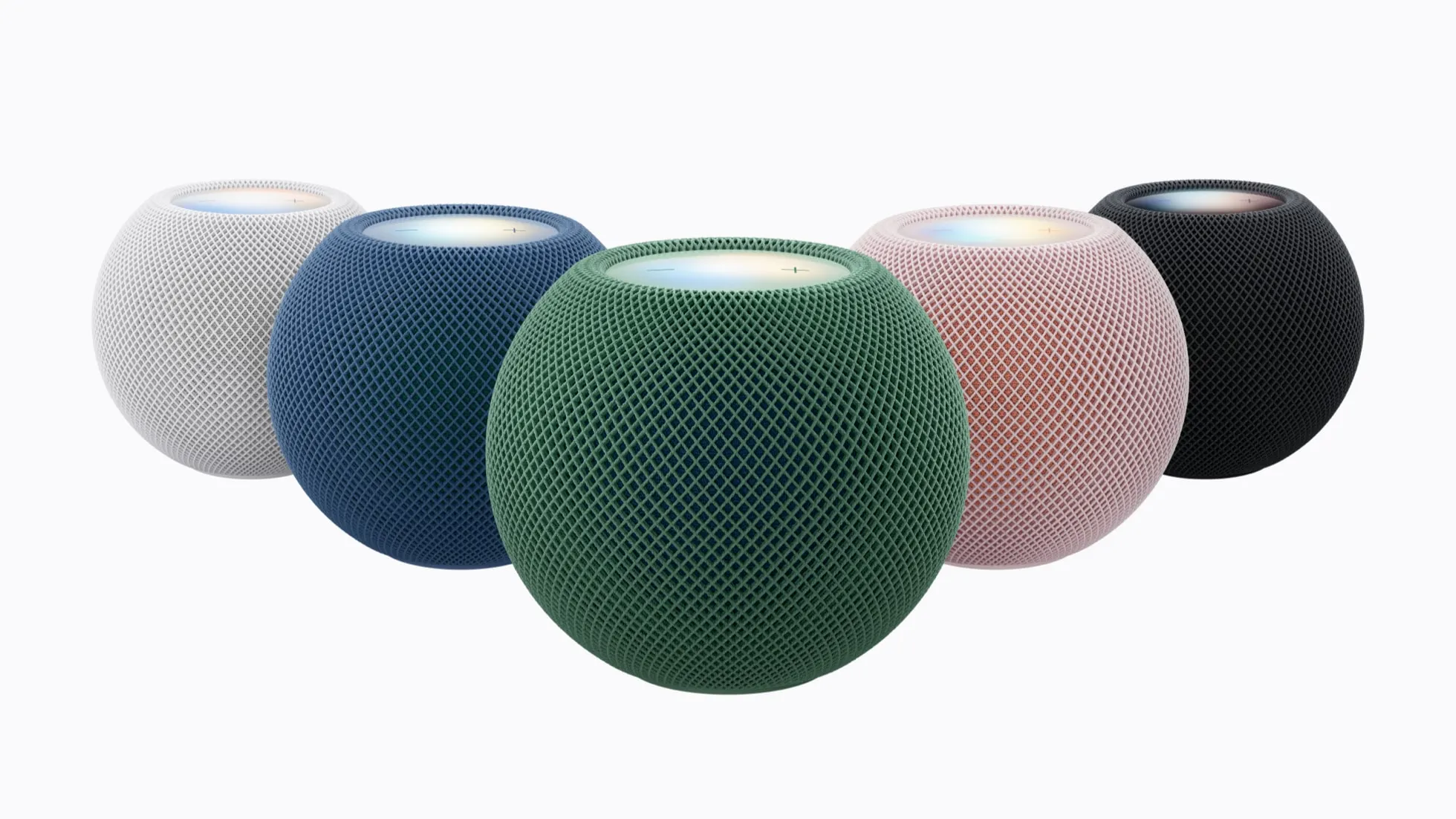
Apple introduced “Sound Glow,” a visual feature that displays animated colors on the HomePod mini’s top surface. The device pulls colors from the album artwork of the currently playing music and pulses the display in sync with the beat. This transforms the speaker from an audio-only device into one that provides visual feedback about what is playing.
The feature is optional. Users can instead select ambient soundscapes such as rain or ocean waves, which trigger corresponding visual animations independent of music content. A user could play white noise while the speaker displays gentle ocean wave animations, creating a visual environment separate from the audio environment.
The Sound Glow feature represents an attempt to make the HomePod mini more visually interesting as a home fixture, giving it a role beyond sound delivery. As speakers become more common household devices with longer average ownership periods, adding visual appeal addresses a design consideration that pure audio-focused speakers ignore.
Deep Integration with Apple Devices
Multi-Speaker Entertainment Systems
The updated HomePod mini integrates more tightly with other Apple hardware than previous versions. Four HomePod mini speakers can be paired with the latest Apple TV 4K to form a multi-speaker home entertainment system, allowing audio to distribute across a room from a central media player.
Mac Integration
On Mac computers, the HomePod mini can be set as the default speaker for video calls and music playback, replacing the built-in speakers that ship with MacBooks and desktop Macs. This integration simplifies setup for users who own multiple Apple devices and want their audio to flow through the HomePod mini rather than each device’s native speakers.
Color Options and Release Timeline
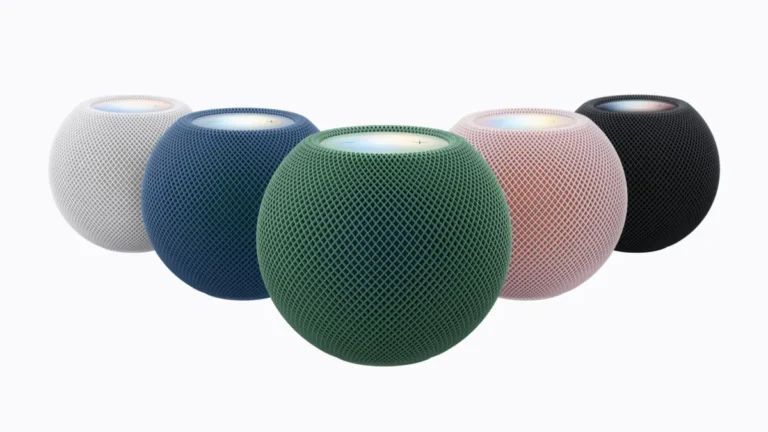
The HomePod mini will launch in five colors: pink, green, blue, white, and midnight. These options provide some personalization compared to the typically limited color palettes offered for smart speakers.
The device becomes available on October 30, with pre-orders opening immediately following the announcement. The timeframe gives consumers roughly two weeks to place orders before the release date. Apple did not announce any special pricing for early buyers or launch window discounts.
Source: TechCrunch
Frequently Asked Questions
How much does the new HomePod mini cost?
The new HomePod mini costs $149, a $50 increase from the original 2020 model that launched at $99.
When will Siri AI be available on HomePod mini?
Apple did not announce a date for when Siri AI with multi-turn conversation support will be available to HomePod mini owners.
What is Sound Glow?
Sound Glow is a visual feature on the HomePod mini's top surface that displays animated colors pulled from album artwork and pulses in sync with music, or displays soundscape animations like rain or ocean waves.
