
Key takeaways
- Keychron has grown from a 2017 Kickstarter campaign into a major mechanical keyboard manufacturer with dozens of models ranging from $60 to $200.
- The company offers multiple product lines including the K2 entry model, the premium K8 HE with wood construction, and specialized devices like the C0 one-handed gaming keypad.
- Mechanical keyboards appeal to users through customizable keycaps, distinctive tactile sound, and retro-inspired design rather than functional necessity.
- Keychron's straightforward setup and wireless connectivity options address practical concerns for professionals and desk workers seeking improved input devices.
Mechanical keyboards have carved out a distinct niche in the computing peripherals market, attracting users who value tactile feedback and aesthetic control over the sealed, mass-produced keyboards bundled with most computers. Keychron, the company behind this movement’s most accessible entry points, has grown from a 2017 Kickstarter campaign into one of the mechanical keyboard industry’s most recognizable brands.
What started as a crowdfunding experiment has expanded into a portfolio of dozens of keyboard models and mouse products. The company’s trajectory reflects a broader shift in how people approach workspace ergonomics and personal computing environments, particularly for workers spending extended hours at a desk.
Keychron’s product range and pricing structure
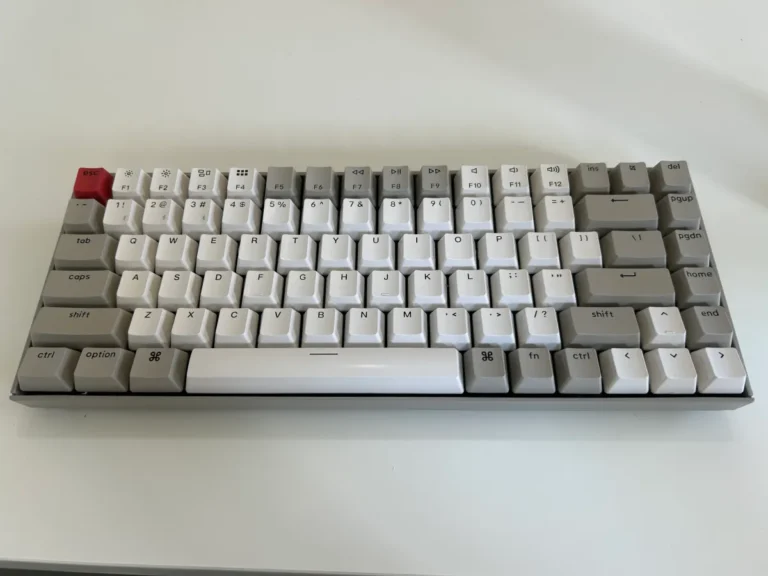
The company’s lineup spans multiple price tiers, making mechanical keyboards accessible to different budgets and use cases. The Keychron K2, which costs approximately $60, serves as the brand’s entry point into the mechanical keyboard space. At the opposite end, models like the K8 HE Wireless Magnetic Switch Custom Keyboard retail for around $200, featuring an all-wood body and LED backlighting.
The core lineup: K, Q, and V series
Beyond the K2, Keychron has released updated versions of its K, Q, and V series keyboards, with most models priced between $100 and $200 depending on features and specifications. This tiered approach allows consumers to choose based on their priorities—whether that’s minimalist design, gaming performance, or form factor preferences.
Specialized devices for different users
Keychron also manufactures the C0 HE One-Handed 8K Keyboard, a keypad designed specifically for gamers seeking speed and convenience with an industrial aesthetic. As of publication, this model remains sold out, suggesting strong demand for specialized input devices.
Design simplicity and connectivity options
Unlike many consumer electronics requiring extensive setup or configuration, mechanical keyboards benefit from inherent simplicity. The K2, for example, ships with tilt legs that adjust typing angle without requiring assembly expertise. The device connects via a standard USB cable, though Bluetooth connectivity offers an alternative for users prioritizing a cleaner workspace aesthetic.
This straightforward approach appeals to users who want functional hardware without friction. Unboxing, basic setup, and connection represent the full user experience, a refreshing contrast to devices that demand driver installations or software configuration.
Customization and the keycap ecosystem
A significant draw of mechanical keyboards lies in their modularity. Users can swap out keycaps from an extensive aftermarket, and many enthusiasts create custom keycaps entirely. This flexibility has spawned an entire submarket devoted to cap designs, colors, and materials.
Aesthetic and functional customization
The ability to personalize a keyboard’s appearance without purchasing an entirely new device extends the value proposition. Keychron’s retro-inspired form factor particularly appeals to users seeking a nostalgic computing aesthetic, drawing from design language that dominated personal computers in the 1990s.
Sound design and sensory experience
The auditory character of mechanical keyboards represents a selling point that extends beyond mere functionality. According to TechCrunch’s testing, the distinct clacking sound produced by these switches resonates with consumers enough to have inspired ASMR video content. While some users find the noise distracting, others cite the tactile and auditory feedback as primary reasons for choosing mechanical keyboards.
Targeting gamers and professionals
Keychron’s product strategy demonstrates an understanding that mechanical keyboards serve diverse audiences with distinct needs. The C0 one-handed keypad targets gaming communities requiring rapid input, while models emphasizing connectivity and aesthetic design appeal to office workers and content creators.
The K8 HE’s wood construction and premium pricing reflect a market segment willing to pay significantly more for distinctive design. Meanwhile, the $60 K2 remains positioned as an accessible entry point for users curious about mechanical keyboards but hesitant to commit substantial funds.
Practical considerations for buyers
The decision between Keychron models hinges on several practical factors. Wireless connectivity versus wired performance, form factor preferences, budget constraints, and aesthetic priorities all influence which model suits individual needs. A user prioritizing a minimalist desk setup might favor the K2’s Bluetooth option, while someone seeking visual distinction might justify the K8 HE’s higher cost.
For professionals working long hours at a desk, the mechanical keyboard’s tactile feedback and customizable nature can genuinely improve daily experience. According to TechCrunch’s assessment, a well-designed mechanical keyboard transforms typing from a tedious daily task into something more engaging. This matters less for occasional computer use but becomes relevant for writers, programmers, and other keyboard-heavy workflows.
The broader mechanical keyboard movement
Keychron’s growth reflects a consumer market increasingly willing to invest in higher-quality peripherals. The mechanical keyboard category has transcended niche enthusiast territory to become mainstream enough for a company to build an entire business around it. Keychron’s success validates that consumers want options beyond standard issue keyboards, even if the functional difference remains subtle for casual users.
The company’s expansion into mice and other peripherals suggests ambitions to become a complete peripheral brand rather than solely a keyboard manufacturer. This positioning allows Keychron to capture customers seeking aesthetic and functional consistency across their entire desk setup.
Looking ahead
As Keychron continues releasing new models across its K, Q, and V series, the company maintains momentum in a category that seemed niche just a few years ago. The persistent demand for the C0 one-handed keypad and the range of price points available indicate a growing audience for mechanical keyboard options. Whether positioned as a productivity tool, gaming peripheral, or aesthetic statement, Keychron has established itself as a brand capable of serving multiple market segments within the mechanical keyboard space.
Source: TechCrunch
Frequently Asked Questions
What is Keychron's most affordable keyboard model?
The Keychron K2 costs approximately $60 and features a tilt adjustment mechanism, USB cable connectivity, and optional Bluetooth support.
How much does Keychron's most premium keyboard cost?
The Keychron K8 HE Wireless Magnetic Switch Custom Keyboard retails for around $200 and includes an all-wood body with LED backlighting.
Can you customize Keychron keyboard keycaps?
Yes, Keychron keyboards support keycap swapping from an extensive aftermarket, and users can also create entirely custom keycaps. This modularity extends the device's lifespan and allows personalization without purchasing a new keyboard.
