
Key takeaways
- Apple launched a comprehensive smart home collection with UWB-enabled lock, video doorbell, and cameras, available in December, to compete with Amazon Ring and Google Nest.
- The smart lock automatically unlocks when authorized users approach using ultra-wideband technology, while the $249.95 video doorbell sends notifications to iPhones, iPads, and HomePod speakers simultaneously.
- The company built these devices through partnerships with LG Electronics and Schneider Electric, marking a strategic shift away from Apple's traditional complete vertical integration approach.
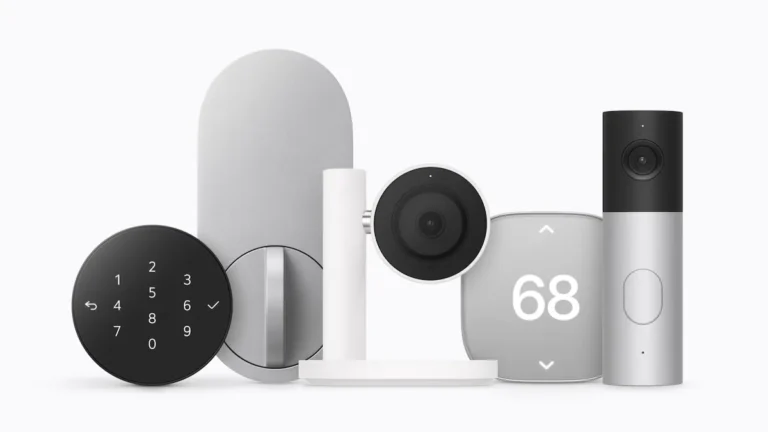
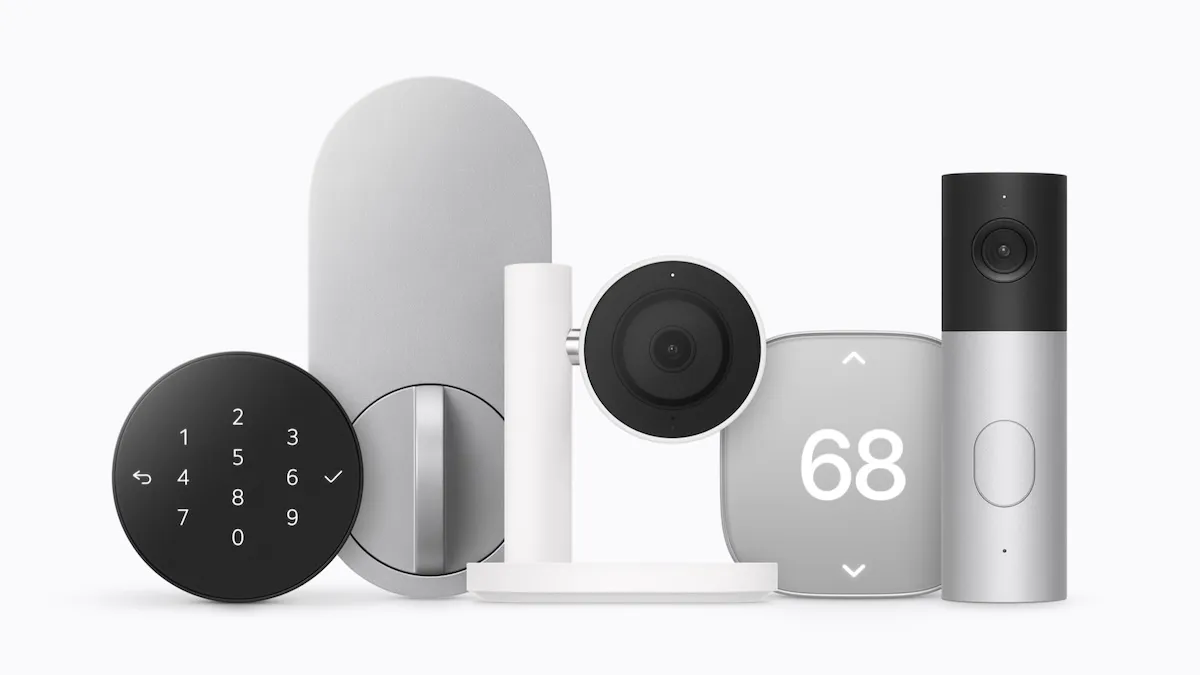
Apple is entering the smart home market with substantial force. The company unveiled the Apple Home Collection on Tuesday, unveiling a comprehensive lineup that includes a smart deadbolt lock, video doorbell, thermostat, temperature sensor, and multiple security cameras. According to TechCrunch, this launch positions Apple as a direct competitor to Amazon Ring and Google Nest, two companies that have long dominated the consumer smart home security space. The products will become available in December and integrate with HomeView, a new smart home hub Apple has developed to centralize control of connected accessories.
This represents a strategic shift for Apple. Historically, the company has built HomeKit as a software platform that third-party manufacturers implement in their products. Now Apple is taking hardware design into its own hands across multiple categories simultaneously, signaling serious commitment to becoming a full smart home player rather than simply enabling others to build in its ecosystem.
The Smart Lock: UWB Redefines Convenience
Ultra-Wideband Technology as Differentiator
The smart deadbolt lock, priced at $349.95, introduces ultra-wideband (UWB) support, a wireless technology that provides more precise proximity detection than Bluetooth. This technical choice matters because it enables a capability that standard smart locks do not offer: the ability to recognize an authorized user’s approach and respond accordingly.
Automatic Unlock Without Phone or Key
Specifically, the lock can automatically unlock the door as an approved user approaches, eliminating friction points that plague current smart lock users. Someone arriving home no longer needs to retrieve their phone, open an app, enter a PIN, or fumble for a physical key. The UWB proximity system handles authentication and unlocking autonomously, placing Apple’s lock ahead of many competitors that still require mobile app interaction or voice commands.
Video Doorbell: Notifications Across the Ecosystem
Wire-Powered Monitoring and Alerts
The video doorbell costs $249.95 and arrives as a wired unit. It delivers core video doorbell functionality: real-time viewing of who is at the door, visitor monitoring, and alerts when someone approaches the property. The wired design eliminates battery concerns that plague wireless video doorbells, which often require periodic recharging or battery replacement.
Multi-Device Integration
What distinguishes Apple’s video doorbell is how it distributes notifications and alerts across the company’s ecosystem. When someone rings the doorbell, HomeView, HomePod, and HomePod mini speakers emit an audible chime, while iPhone and iPad users receive simultaneous notifications. This multi-device approach keeps users informed regardless of which Apple device they are using or where they are in their home, offering a level of ecosystem integration that standalone video doorbells do not provide.
Cameras, Sensors, and Comprehensive Security
Video Cameras from Indoor to Floodlight
The camera lineup includes both indoor and outdoor models, plus a specialized floodlight camera priced at $399.95. That camera combines exterior lighting with integrated video monitoring, serving dual purposes in a single fixture. The full camera range supports features common to modern security cameras: live viewing, motion detection, intelligent alerts, and cloud storage or local video retention.
Room-by-Room Temperature Monitoring
The temperature sensor fills a niche that centralized thermostats leave unaddressed. Rather than measuring temperature only at the thermostat’s location, room-based sensors identify variations across different areas of the home. Homeowners can then adjust heating and cooling to address temperature imbalances between upstairs and downstairs, or between rooms receiving direct sunlight and those in shade. This room-level monitoring is particularly useful in multi-story homes or older buildings where HVAC systems struggle to maintain uniform temperatures.
HomeView: The Central Nervous System
All of these devices rely on HomeView, Apple’s new smart home hub that serves as the control center for the ecosystem. The hub allows users to manage locks, cameras, thermostats, and sensors from one interface rather than toggling between manufacturer apps, while enabling deeper HomeKit integration and Siri voice control across all connected products.
Apple has not specified HomeView’s price or exact capabilities, but its role is clear: to provide the unified experience that justifies consumers buying into Apple’s ecosystem rather than mixing products from multiple manufacturers.
Why Apple Partnered With LG and Schneider Electric
The involvement of LG Electronics and Schneider Electric marks a notable departure from Apple’s traditional product strategy. For decades, Apple has pursued vertical integration, designing and controlling every aspect of its devices and services. The decision to partner signals a different approach: Apple is prioritizing speed to market and access to manufacturing expertise over total control.
LG brings decades of consumer appliance manufacturing and design experience. Schneider Electric specializes in electrical systems, automation, and energy management, relevant expertise for thermostats and climate control products. These partnerships likely accelerated Apple’s ability to bring a full product line to market within a reasonable timeframe.
Facing Down Ring and Nest
Amazon Ring dominates the video doorbell category. Google Nest controls a substantial share of the smart thermostat market. Both companies have invested years building brand loyalty and customer relationships in smart home security and climate control, so Apple’s entry into these established categories represents a significant competitive challenge.
Pricing suggests Apple is competing on features and ecosystem integration rather than cost. At $349.95 for a smart lock with UWB auto-unlock, $249.95 for a wired video doorbell, and $399.95 for a floodlight camera, Apple’s products sit in the middle-to-premium range alongside competitors.
Apple’s real advantage may be ecosystem lock-in. Customers with iPhones, iPads, HomePods, and other Apple devices gain unified controls, shared notifications, and voice integration across all their smart home products. For users already invested in Apple’s ecosystem, the convenience of unified HomeView management could justify the price premium over single-manufacturer alternatives. The December launch gives Apple the holiday shopping season to build initial market presence. Success will depend on execution: whether individual products deliver on their features, whether HomeView integration actually simplifies smart home management, and whether Apple can convince a skeptical market that tighter ecosystem integration justifies the commitment.
Source: TechCrunch
Frequently Asked Questions
What is ultra-wideband (UWB) technology in Apple's smart lock?
Ultra-wideband is a wireless technology that provides more precise proximity detection than Bluetooth, enabling Apple's smart lock to automatically unlock the door when an authorized user approaches without requiring a phone or key.
When will Apple's smart home products be available?
The Apple Home Collection will become available in December.
What companies did Apple partner with to create these smart home devices?
Apple built the devices in partnership with LG Electronics and Schneider Electric, representing a departure from the company's traditional approach of complete vertical integration.
