
Key takeaways
- Waymo built a custom 5-nanometer chip delivering over 1,000 TOPS of computing power to reduce the cost of manufacturing and operating its Ojai robotaxi across Los Angeles, Phoenix, and San Francisco.
- Funding surged across autonomous vehicles, with Also raising $150 million in Series D, Einride ordering 500 Tesla Semis, and Uber investing in drone delivery startup Zipline with a goal of 1 million daily deliveries by 2029.
- Nevada regulators approved permits for Tesla, Uber, and Waymo to deploy up to 8,000 robotaxis across Las Vegas in the next year, while safety investigations and security reviews of Chinese lidar sensors intensify.
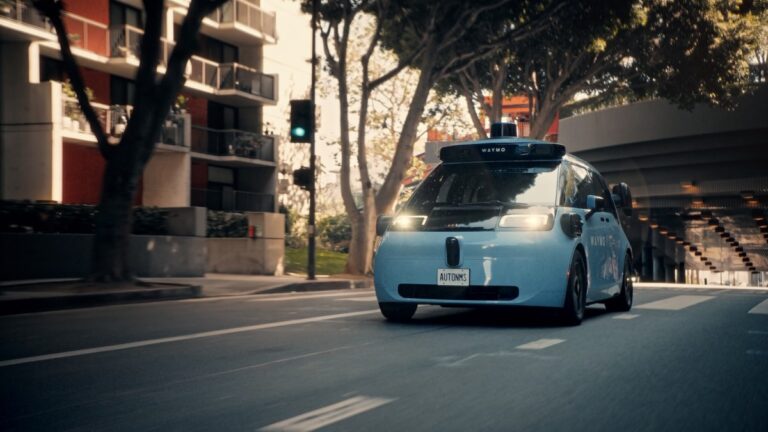
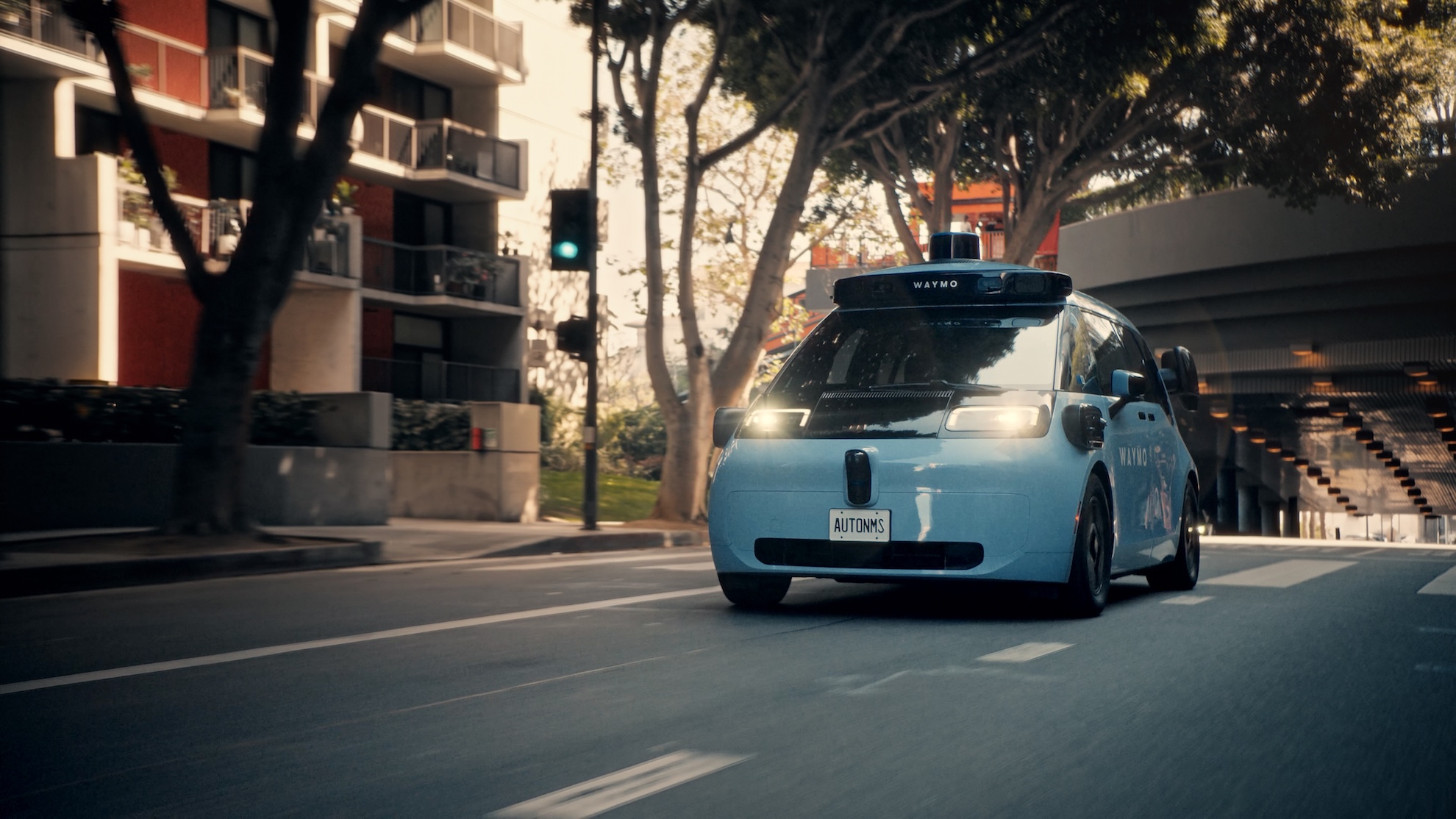
Waymo has revealed that it designed and built a custom silicon chip specifically for its next-generation autonomous vehicles, marking a significant step in the company’s push toward vertical integration in the self-driving space. The custom 5-nanometer ASIC chip handles the massive raw data stream before it reaches the core processing system of the vehicle’s artificial intelligence. With 13 high-fidelity cameras feeding constant visual input, the Ojai robotaxi generates enormous volumes of data that must be processed in real time, and the new chip is designed to manage this task with what Waymo describes as “unmatched efficiency and performance.”
The chip delivers more than 1,000 TOPS—trillions of operations per second—of computing performance, placing it in roughly the same performance range as Nvidia’s latest DRIVE AGX Thor processor, which is purpose-built for autonomous driving applications. This technical achievement matters because it directly addresses the economic problem that has plagued the autonomous vehicle industry for years: how to build and operate these vehicles profitably.
Vertical Integration as a Path to Profitability
Waymo has repeatedly claimed that the Ojai robotaxi, which the company has just opened to all riders in Los Angeles, Phoenix, and San Francisco, is significantly cheaper to build, operate, and maintain than earlier versions. The custom chip is a critical component of that cost equation. By designing its own silicon rather than relying solely on off-the-shelf processors, Waymo gains tighter control over power consumption, heat dissipation, and computational efficiency—all factors that reduce operational costs when multiplied across a growing fleet.
The Partnership Model Beneath the Vertical Integration
Despite taking a hands-on approach to chip design, Waymo is not building this technology in isolation. The company listed multiple semiconductor partners for the first time, including AMD, Micron, Nvidia, Samsung, Sandisk, Socionext, and TSMC. TSMC is the critical partner here, as the foundry is manufacturing the 5-nanometer chips at scale. This model—designing proprietary silicon while relying on established manufacturing partners—reflects how leading tech companies approach custom compute: own the architecture, outsource the fabrication, and maintain supply chain resilience.
Performance as a Safety and Speed Argument
The performance metrics become a selling point not just for efficiency but for safety and responsiveness. Waymo argues that the chip enables the system to react quickly and safely in complex, high-density urban environments where conditions change rapidly. The ability to process sensor data with minimal latency is directly relevant to whether a robotaxi can detect and avoid obstacles, pedestrians, and other vehicles in real time. Waymo’s competitors in the autonomous vehicle space, including companies like Aurora and Zoox, have invested in their own custom hardware stacks, but Waymo’s willingness to publicize these technical details signals confidence in the approach.
The Broader Autonomous Vehicle Buildout
While Waymo refines its hardware, the broader autonomous vehicle ecosystem continues to attract funding and partnerships.
Also’s Pivot to Autonomous Delivery
Also, the micromobility startup spun out from Rivian in March 2025, raised another $150 million in a Series D round led by Prysm Capital, bringing its total funding since inception to $455 million. What makes this raise noteworthy is not just the amount but the company’s evolving mission. When Also launched in spring 2025, it was positioned as an electric bike and cargo quad company. Today, it describes itself as “a technology company building the world’s most capable driven and autonomous small electric vehicles.” That pivot toward autonomous vehicles became concrete when Also closed a $200 million Series C round earlier this year and announced a multiyear partnership with DoorDash to develop and deploy autonomous delivery vehicles. For a startup to reach Series D and shift its entire strategic focus within 16 months reflects both investor appetite for autonomous vehicle technology and the company’s ability to execute.
Serve’s Diversification Away from Uber Dependency
Serve Robotics, which makes sidewalk delivery robots, demonstrates why diversification matters in this capital-intensive space. Earlier this month, Serve disclosed that Uber had significantly reduced its use of Serve’s robots on its app, and the partnership is set to end next year. Simultaneously, Uber sold all of its shares in the company. The timing could have been catastrophic, but Serve had already been building alternate partnerships that are now formalizing. The company announced partnerships with Grubhub for delivery operations in Chicago, Los Angeles, and Alexandria, Virginia. Serve is also expanding its existing DoorDash partnership into San Jose and Washington, D.C. The lesson is clear: in autonomous vehicle and delivery robotics, dependence on a single customer creates existential risk.
Funding and Strategic Partnerships Intensify
Beyond robotaxis and sidewalk robots, the autonomous and electric vehicle space is attracting capital across multiple segments. Einride, the Swedish autonomous trucking company, struck a deal to purchase 500 Tesla Semis and make them available to its customers, which include Amazon. These vehicles will be delivered in phases over the next 24 months, beginning in September. The deal anchors Einride’s expansion while betting on Tesla’s ability to scale Semi production at a time when the company has pulled back on previous claims of reaching “volume production” in 2026.
Grounded, a Detroit startup that customizes electric and gas vans, raised $5 million in a seed round from backers including Also Capital, The 81 Collection, Animal Capital, the Michigan Outdoor Innovation Fund, and SpaceX alumni. Uber announced an investment in and partnership with Zipline, the drone delivery company, with a stated goal of reaching 1 million deliveries per day using Zipline drones by the end of 2029. Amazon, meanwhile, is targeting nearly 500 U.S. cities for its drone delivery service by the end of 2026, a sixfold expansion from its current footprint. Bedrock Robotics, founded by former Waymo and Segment engineers, reports that its autonomous excavators are now operating fully unsupervised at three large customer sites in Nevada and Texas.
Regulatory Pressures Mount
Autonomous vehicle companies are also navigating increasingly complex regulatory terrain. Tesla, Uber, and Waymo all received permits from Nevada regulators to operate commercial robotaxi services in Clark County, home to Las Vegas. Together, these permits allow for the deployment of up to 8,000 robotaxis across the county over the next 12 months, though it remains unlikely that all 8,000 will arrive within that timeframe. Even a fraction of that number will meaningfully change transportation dynamics in the region.
Separately, Waymo is responding to questions from the National Highway Traffic Safety Administration following a crash in which a Waymo robotaxi struck a child at low speed. The company’s responses have been redacted in publicly available documents, preventing full transparency about the incident and Waymo’s internal safety assessment.
Idaho National Laboratory is conducting an investigation into whether Chinese lidar sensors pose security risks if adopted widely by U.S. vehicles. According to sources, the research is being funded by companies in the electric and autonomous vehicle industries, yet most contacted companies—including Rivian, General Motors, Ford, Kodiak, Lucid Motors, Nuro, and Uber—said they were unaware of the review. This gap between the funding source and recipient awareness suggests either unusual secrecy or a disconnect in how the research initiative is being communicated within the industry.
Uber faced a separate regulatory setback when Dutch authorities fined the company €825 million ($966 million) for using automated systems to deactivate or suspend driver accounts without adequate notice, violating European data protection law. On the autonomous side, Uber announced early rider testing in London with Wayve, launched a robotaxi service in Zagreb, Croatia, with Pony.ai and Verne, and began offering driverless rides in Dubai with Baidu.
The convergence of technical innovation, funding momentum, and regulatory activity suggests the autonomous vehicle industry is moving from prototype phase into deployment at scale, even as critical safety and security questions remain unresolved.
Frequently Asked Questions
What is Waymo's custom chip designed to do?
The 5-nanometer ASIC chip processes raw data from the Ojai's 13 cameras before sending it to the vehicle's core AI system, delivering over 1,000 TOPS of computing performance to enable fast, safe reactions in complex urban environments.
Is Waymo manufacturing its own chips?
No—Waymo designed the chip but relies on semiconductor partners including TSMC, Samsung, AMD, and others for manufacturing and components, following the model of designing proprietary architecture while outsourcing fabrication.
How are other autonomous vehicle companies raising capital?
Also raised $150 million in Series D, Einride ordered 500 Tesla Semis, Serve Robotics expanded delivery partnerships with Grubhub and DoorDash after Uber reduced use, and Amazon targets 500 U.S. cities for drone delivery by end of 2026.
