
Key takeaways
- TechCrunch Disrupt 2026 runs October 13-15 in San Francisco with 250+ speakers across 200+ sessions and approximately 10,000 attendees.
- Early ticket pricing offering up to $200 savings expires September 25 at 11:59 p.m. PT, with second tickets at 50 percent off and group discounts reaching 30 percent.
- The conference covers AI agents, enterprise adoption, fintech, infrastructure, robotics, energy, and security through six stages including the Builders Stage focused on fundraising, hiring, and product strategy.
- Attendees are positioned to learn how operators at companies like OpenAI, Anthropic, Rivian, and Replit are responding to rapid technology and market changes in real time.
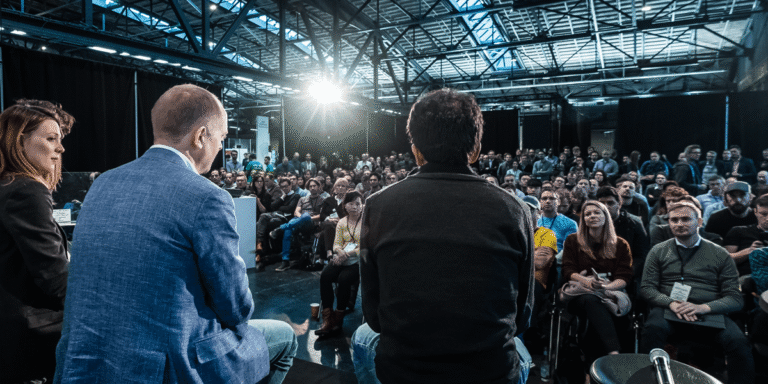
TechCrunch Disrupt 2026 will take place October 13-15 at San Francisco’s Moscone West, gathering more than 250 technology leaders across six designated stages. The conference has announced a ticket deadline of September 25 at 11:59 p.m. PT for early pricing. Standard passes offer savings up to $200, while a second ticket of the same category is available at 50 percent off during the promotional window. Groups of four or more attendees receive discounts reaching 30 percent.
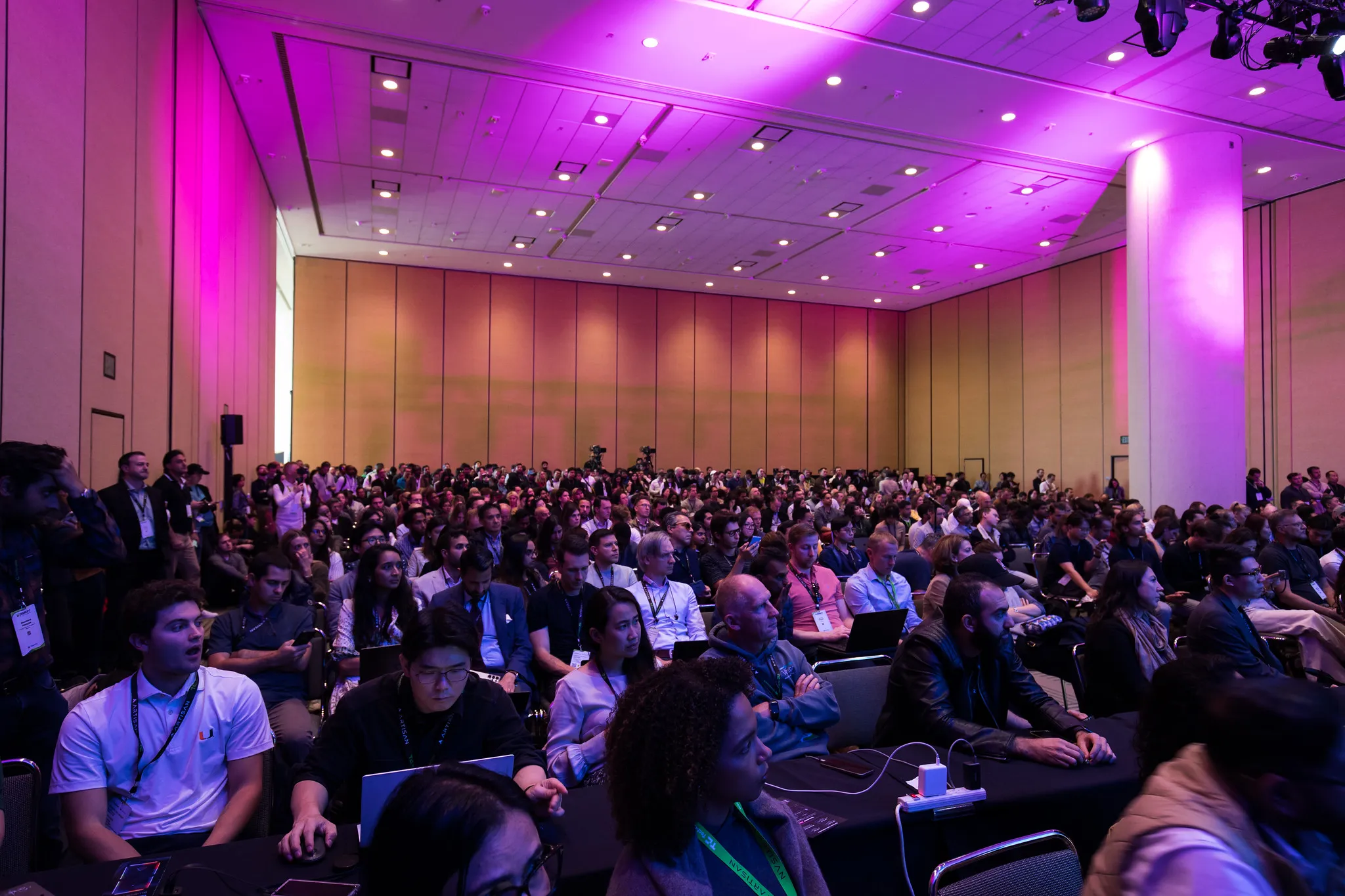
The event is expected to attract approximately 10,000 attendees, including founders, venture capitalists, and operators from major technology companies. Confirmed speakers represent organizations such as OpenAI, Anthropic, Rivian, Cerebras, and Replit. Entertainment figure Mark Wahlberg will attend as a featured guest. The program spans more than 200 sessions distributed across six stages along with dedicated roundtable and breakout formats.
The Builders Stage and Practical Company Building
Format and Focus Areas
The Builders Stage anchors the conference programming around the concrete challenges of founding and scaling technology companies. The stage is organized around five core themes: fundraising mechanics, hiring decisions, achieving product-market fit, product strategy, and growth execution. The format varies to accommodate different discussion depths. Roundtables operate with smaller participant counts, creating space for more nuanced conversations about the decisions that shape business headlines. Breakout sessions function as direct-question forums where attendees can pose specific challenges to experienced panelists.
The Conference Philosophy
This structural choice reflects a particular conference philosophy: the most useful information comes from understanding not just what successful companies did, but how they made the tradeoffs inherent in their decisions. A founder raising Series A capital needs to know not only that certain moves helped other founders succeed, but what cost those moves incurred elsewhere in the business.
The Wider Technical and Strategic Agenda
Topic Coverage
Beyond the Builders Stage, the conference programming explores themes that cut across the entire technology sector. Artificial intelligence agents and their enterprise deployment dominate several tracks. Fintech challenges, both technical and regulatory, appear throughout the schedule. Infrastructure layers that support AI systems generate their own substantial agenda. Robotics applications and energy technology represent additional major topic areas. Cybersecurity and privacy questions run through multiple sessions. The economic model changes required to build and operate technology companies sustainably create their own programming thread.
Real-Time Problem Solving
The conference frames these topics not as theoretical exercises but as live problems. The people answering questions about AI agents are building them now. The speakers discussing enterprise adoption have already navigated, succeeded, or failed at such deployments. The participants exploring AI economics are implementing pricing strategies in real time.
Core Strategic Questions Shaping Discussions
Several fundamental questions serve as organizing principles across the Disrupt agenda. How do founders build defensibility when an artificial intelligence platform can enter and rapidly ship into their product category? This question shapes how companies think about competitive moats, feature development speed, and market timing. For founders seeking institutional capital, the question becomes concrete: what sequence of decisions or results converts a first meeting with an investor into actual term sheet negotiation? Competing for engineering talent in an AI-focused market requires understanding whether and how compensation packages, technical challenges, or company mission appeal to the candidates companies need to hire.
Pricing artificial intelligence products without eroding margins or driving users to alternatives represents a distinct operational challenge. Some AI products command premium pricing based on performance advantages. Others compete on cost. Still others use AI as an efficiency layer that allows cheaper services overall. Which approach works depends on market structure, customer sophistication, and technical differentiation. Executives also wrestle with timing and strategy for mergers and acquisitions. When does integrating with another company create more value than remaining independent? When does acquisition become a losing move? What separates a company that investors find technically interesting from one investors are prepared to fund at significant scale?
Distinct Value Propositions for Different Attendee Roles
The conference positions its content for multiple attendee archetypes. Founders in fundraising mode can attend sessions where investors explain which company moves and characteristics advance prospects toward term sheet conversations. Founders already building products can learn from peers tackling product differentiation, AI cost economics, effective hiring approaches, distribution strategy, and scaling challenges. Investors and venture capitalists can observe how company operators are adapting their strategies in response to rapid market change. They can identify which emerging technical or market problems may create new business categories worth funding. Product leads and engineering managers at established companies can benchmark how peers across different industries approach similar internal strategic and technical decisions. This role-based positioning assumes that conference value increases when attendees can compare their own challenges against real-time responses from others operating at scale.
Leaving with Actionable Strategy
The conference frames its core value proposition around a specific outcome: attendees should leave with a sharper understanding of what to do next. This differs from conferences optimized for networking density or speaker prestige. The implicit model is that the best outcome is not a collection of quotable moments or social proof of attendance. Instead, the best outcome occurs when an attendee leaves knowing which decisions they will make differently, which bets they will adjust, or which problems they will approach from a new angle.
To facilitate this, attendees are encouraged to directly ask speakers and fellow participants what worked in their businesses, what did not, and what they would do differently under altered circumstances. This conversational model depends on speakers willing to discuss failures alongside successes.
Registration Deadline and Pricing Timeline
Early-bird pricing expires September 25 at 11:59 p.m. PT. Savings extend to $200 off standard ticket pricing. The 50 percent discount for a second ticket of identical type applies through the same deadline. Group pricing for parties of four or more becomes available at that same price tier. After September 25, ticket pricing reverts to standard rates without the promotional discounts.
Frequently Asked Questions
When and where is TechCrunch Disrupt 2026 taking place?
TechCrunch Disrupt 2026 runs October 13-15 at San Francisco's Moscone West.
What are the early ticket pricing discounts and when do they expire?
Tickets offer savings up to $200 before September 25 at 11:59 p.m. PT deadline. A second ticket of the same type costs 50 percent off, and groups of four or more receive discounts up to 30 percent.
Which companies have speakers confirmed for Disrupt 2026?
Confirmed speaker organizations include OpenAI, Anthropic, Rivian, Cerebras, and Replit, along with more than 250 technology leaders total across the program.
