
Key takeaways
- Pope Leo XIV argues AI-generated art lacks the spiritual essence of human creativity, creating a philosophical divide the Church says no algorithm can bridge.
- Anthropic's lobbying of the Vatican on non-human consciousness failed to sway Church positions, revealing limited industry influence over religious institutions.
- The Vatican's theological opposition to AI art brings human dignity and spiritual questions into debates previously dominated by economic and technical concerns.
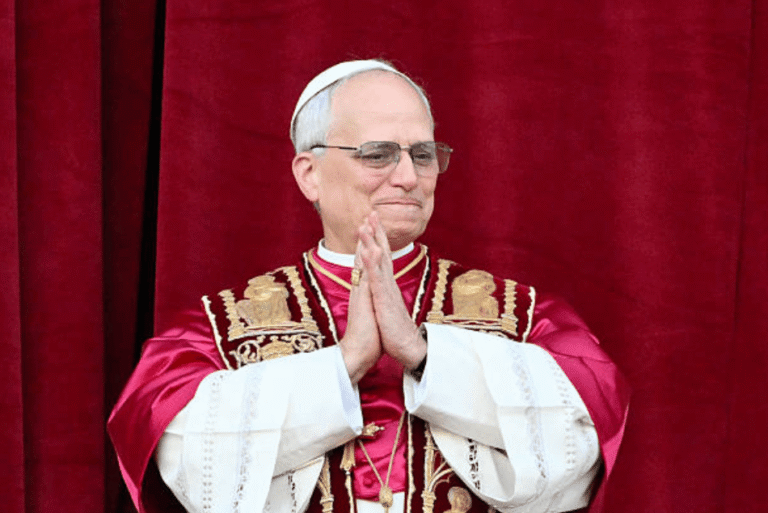
Pope Leo XIV has positioned the Catholic Church as a vocal critic of artificial intelligence-generated art, arguing that the spiritual essence separating human creativity from algorithmic output reflects a fundamental difference extending beyond mere aesthetics into questions of human dignity and the nature of consciousness itself.
The Vatican’s Philosophical Opposition
Ontological vs. Aesthetic Differences
The Pope articulated his position in a post on X Friday morning, establishing what he framed as a philosophical distinction between art created by humans and art produced through machine learning systems. “There is an ontological difference, even before an aesthetic one, between art and what a machine can generate through statistical calculation based on millions of images created by others,” the statement read. This approach treats the disagreement not as a matter of whether AI-generated images meet quality standards, but rather as a fundamental question about the nature of creation itself.
The Missing Human Element
Central to the Pope’s argument is the claim that algorithms inherently lack what he calls the “spark of humanity.” Rather than critiquing technical execution or artistic merit, the Vatican’s position questions whether machines can participate in creation at all in any substantive sense. The distinction drawn is not merely technical but spiritual. It is a separation the Church views as unbridgeable through algorithmic improvement alone.
Historical Context for Vatican Positions
The May Encyclical on Human Dignity
The Pope’s recent X post expands on themes introduced in an encyclical letter released in May, which examined artificial intelligence within the broader context of human dignity and automation’s expanding role in contemporary society. The encyclical established the Vatican’s philosophical framework for assessing AI technologies before the recent focus on artistic creation specifically. By connecting AI art to questions of human dignity, the Church signals it views this debate as part of a larger conversation about how automation affects what makes humans distinct.
Building a Coherent Theology
The appearance of AI-generated art as a distinct concern reflects the Vatican’s ongoing efforts to develop coherent theological positions on emerging technologies. Rather than addressing AI in isolation, the Church positions AI-generated content as one manifestation of broader questions about human nature, dignity, and the proper relationship between humans and technological systems. This systematic approach suggests the Vatican intends to maintain consistent positions across various AI applications.
Anthropic’s Unsuccessful Lobbying
Anthropic, one of the leading artificial intelligence companies, has actively lobbied the Vatican to reconsider its positions on artificial intelligence and consciousness, according to reporting from the New York Times. The company’s approach has centered on the question of non-human consciousness, apparently operating under the belief that establishing the potential for machine consciousness might align the Vatican’s AI ethics framework with industry interests. These efforts have produced little success, the Times reported.
The lobbying campaign reveals how major AI companies are attempting to shape positions on artificial intelligence at institutions beyond traditional power centers in government and academia. The Vatican’s resistance to industry persuasion suggests that religious and philosophical institutions may represent an independent voice in ongoing governance discussions about artificial intelligence. Such a voice proves less susceptible to the standard approaches that technology companies deploy with lawmakers and regulators.
Wider Impact on Creative Industries
The Pope’s intervention adds a prominent theological voice to ongoing debates about artificial intelligence’s role in creative fields. Artists, museums, and creative professionals have raised concerns about copyright, the data practices used to train AI systems, and potential displacement of human creators. A religious leader’s explicit condemnation of AI art, framed in terms of human dignity and spiritual essence, brings theological and philosophical language into conversations that have centered primarily on economic, legal, and practical dimensions. This broadens the debate beyond the narrow questions of technical capability or market disruption.
The introduction of religious authority into AI policy discussions may influence how other institutions approach these questions. Whether other major religious bodies adopt similar positions remains to be seen, but the Vatican’s explicit stance establishes a significant counterweight to industry voices advocating for AI adoption across creative domains.
What Comes Next
The Pope’s position does not appear to signal a shift in Vatican policies governing the Church’s own use of AI systems. Instead, it represents a statement on the theological and philosophical implications of artificial intelligence in creative work, particularly regarding the question of whether machines can or should participate in artistic creation. The practical implications for AI companies operating in sectors serving religious or culturally conservative audiences remain to be determined. The Vatican’s willingness to publicly oppose AI-generated art, despite industry lobbying, suggests the Church is prepared to maintain independent positions on technological ethics regardless of commercial pressure.
Source: TechCrunch
Frequently Asked Questions
What is Pope Leo XIV's main argument against AI-generated art?
The Pope contends that an ontological difference exists between human-created art and machine-generated content. He argues that algorithms lack "the spark of humanity" and cannot engage in true creative work, regardless of technical quality.
Has Anthropic's lobbying influenced the Vatican's stance on AI?
According to the New York Times, Anthropic has lobbied the Vatican on questions of non-human consciousness, but the Church has maintained its critical position. The lobbying produced little success in shifting Vatican policies.
How does the Pope's position affect AI policy debates?
The Vatican's stance brings theological and philosophical arguments to discussions that have focused primarily on economic and legal dimensions. It establishes religious institutions as independent voices in AI ethics outside government and industry channels.
