
Key takeaways
- Grok advised Trump that Maduro's overthrow would be welcomed by Venezuelans before the January 3, 2026 invasion of Venezuela.
- The Pentagon's head of AI disclosed in June 2026 that Grok was used for deployment decisions and targeting during the Iran War.
- Musk and Palmer Luckey of Anduril were appointed to lead a Pentagon study on integrating advanced technology into battlefield operations.
- The Pentagon is using multiple AI systems including Grok, OpenAI, and Anthropic for military applications.
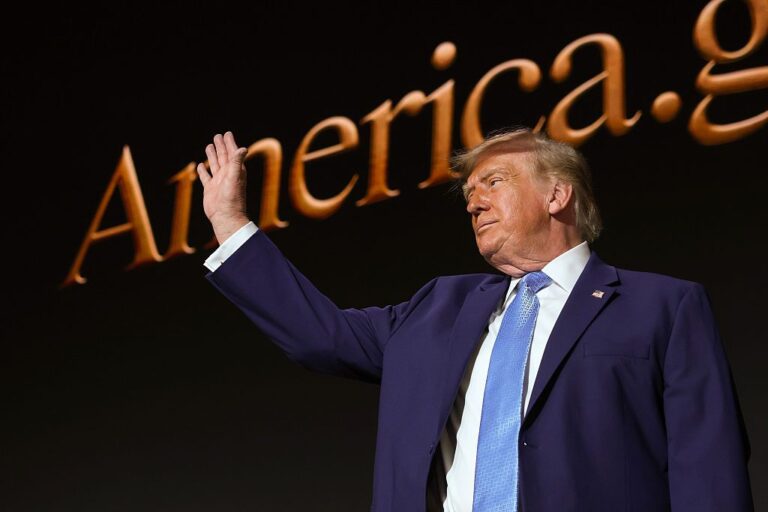
Elon Musk’s Grok chatbot has played a significant and previously unreported role in shaping U.S. military strategy, according to reporting by Time magazine. In December 2025, President Trump spent hours consulting the chatbot during a private meeting with Musk, asking how Venezuelans would respond to the capture of their president, Nicolás Maduro. Weeks later, the U.S. invaded Venezuela and detained Maduro on January 3, 2026. Trump then believed Grok had proven “ingenious” in its strategic assessment.
The revelation underscores how artificial intelligence systems built by private companies are now embedded in the highest levels of military decision-making, with Grok already playing a documented role in actual combat operations.
Trump Asked Grok About Venezuela
The December 2025 Meeting
The December 2025 meeting between Trump and Musk occurred about seven months after Musk stepped down from his post as head of the Department of Government Efficiency (DOGE). During their extended conversation, Trump repeatedly turned to Grok to explore geopolitical scenarios, spending hours with the chatbot.
One of his central questions involved Venezuelan public opinion. Trump asked the chatbot whether Venezuelans would welcome the removal of Maduro from power. According to Time’s sources, Grok responded that Maduro was a “deeply unpopular dictator” and that many Venezuelans would “likely celebrate his downfall.”
Military Action in September
Before this December meeting, Trump had already initiated military action against Venezuela. In September 2025, Trump ordered U.S. military strikes against Venezuelan boats that he accused of involvement in drug trafficking. The Atlantic reported at the time that users had been asking Grok about these boat strikes and the broader political situation in Venezuela, suggesting the chatbot was already shaping public discussion of policy.
How Grok Became Operational
When the U.S. invasion proceeded in January 2026 and celebrations of Maduro’s capture actually occurred, Trump attributed the accuracy of those predictions to Grok itself, seeing the chatbot as validation of his decision-making process. He came away thinking Grok was “ingenious,” according to Time’s sources.
That perception mattered. The Trump-Grok meeting marked a turning point in how the chatbot was perceived by the administration. What began as a strategic advisor in political deliberations quickly evolved into something far more consequential: an operational tool for military planning and execution.
In June 2026, the Pentagon’s head of artificial intelligence disclosed that the military had used Grok for deployment decisions and target strikes during the Iran War. This represented a major escalation from informal advisory use to systematic incorporation into combat operations. The revelation confirmed that Grok was no longer merely informing Trump’s thinking but was actively supporting military decision-making in active conflicts.
Pentagon’s Multi-AI Strategy
OpenAI and Anthropic at Defense
Grok is not the only artificial intelligence system the Pentagon has embraced. OpenAI maintains an agreement with the Department of Defense, and Anthropic has been negotiating the terms under which its models can be applied to military intelligence and modern warfare scenarios. This competition among AI providers to secure defense contracts suggests that military adoption of large language models will likely accelerate.
The Pentagon’s strategy appears designed to build redundancy and leverage different AI systems for different applications, rather than placing all reliance on a single model or vendor.
Musk and Anduril Lead Battlefield Study
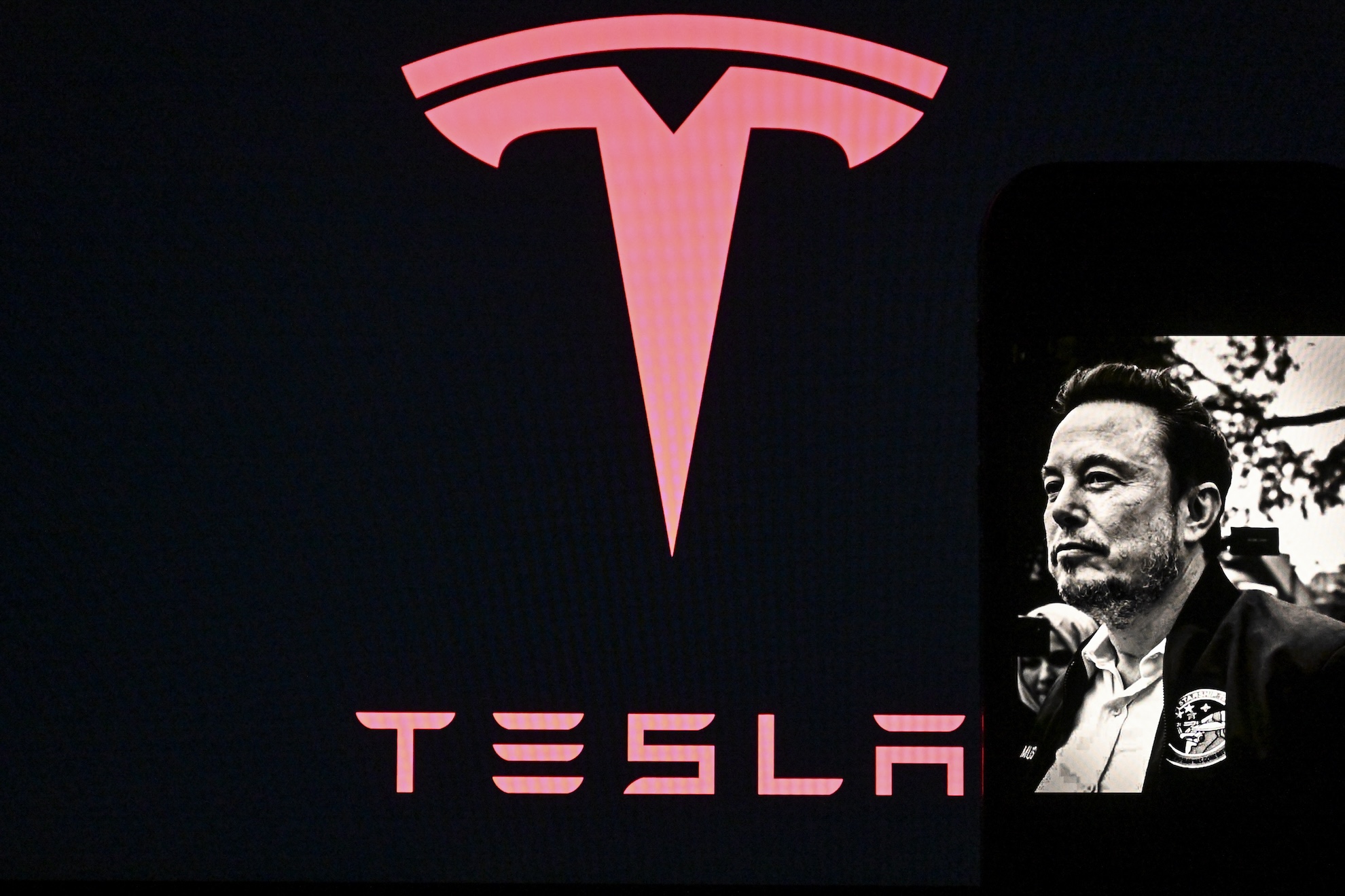
The Pentagon is planning to deepen its partnership with Musk on artificial intelligence matters. Earlier in October 2026, the Pentagon announced that Musk and Palmer Luckey, who leads the defense technology company Anduril, have been selected to co-lead a study examining how advanced technology can be deployed and optimized on modern battlefields. This appointment signals that the administration intends to integrate private-sector AI expertise more directly into military strategy.
What Changed in Practice
The documented use of Grok in military operations represents a significant shift in how government agencies approach artificial intelligence. Previously, such tools were treated as experimental or supplementary. Now they appear to be primary decision-making aids in active conflicts.
For developers and AI companies, the message is clear: government interest in military applications of large language models is accelerating. For users and the broader public, the implications are more ambiguous. A chatbot initially designed for general conversation has become part of the infrastructure supporting military targeting and strategic planning, with limited transparency into how those decisions are made or reviewed.
The case of Venezuela illustrates how an AI system’s assessment of a geopolitical situation can shape the confidence with which leaders approach military action. Trump’s belief that Grok had “ingeniously” predicted Venezuelan reaction appears to have reinforced his conviction that the invasion would succeed and be welcomed by the target population.
What Comes Next
The Musk-Luckey study on battlefield technology is expected to inform policy on how the military should integrate AI more broadly. Given that Grok is already playing an operational role, the study may serve to formalize and expand practices that are already happening.
This trajectory raises questions about oversight, accountability, and the extent to which military AI decisions should rely on commercial chatbots rather than government-controlled systems. The Pentagon’s approach of using multiple AI providers suggests an acknowledgment that no single system should monopolize such consequential decisions, yet the actual implementation may not reflect this principle if one tool like Grok becomes the primary advisor to senior military and civilian leadership.
Source: TechCrunch
Frequently Asked Questions
What did Trump ask Grok about Venezuela?
Trump asked Grok how Venezuelans would respond to the capture of Nicolás Maduro. According to Time, Grok responded that Maduro was a "deeply unpopular dictator" and that many Venezuelans would "likely celebrate his downfall."
When did the Pentagon start using Grok in military operations?
The Pentagon's head of AI disclosed in June 2026 that the military had used Grok for deployment decisions and target strikes during the Iran War.
What other AI systems is the Pentagon using?
OpenAI maintains an agreement with the Department of Defense, and Anthropic has been negotiating terms for how its models can be used for military intelligence and modern warfare scenarios.
