
Key takeaways
- ScrollEd converts textbooks and PDFs into vertical feeds resembling TikTok, with AI-generated video, audio, text, and quizzes interspersed throughout.
- Founded by Utsav Gupta (Stanford) and Rebecca Neff (University of Pennsylvania), ScrollEd launches at TechCrunch Disrupt (October 13-15) with a freemium consumer model and institutional licensing.
- The company targets schools and corporations with annual licenses that provide engagement data, lesson progress reports, and completion tracking.
- ScrollEd plans to develop adaptive learning systems that assess individual students and personalize content based on comprehension patterns and learning styles.
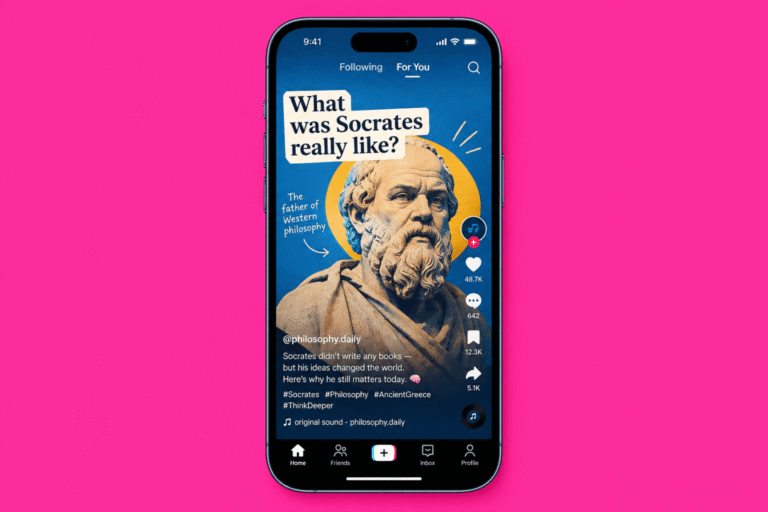
A Palo Alto startup is testing a provocative thesis about student attention: that the problem isn’t scrolling itself, but what people scroll through. ScrollEd, launching its consumer product at TechCrunch Disrupt in October, transforms textbooks and PDFs into vertically scrollable feeds resembling TikTok or Instagram Reels—complete with AI-generated video, audio, text passages, and interactive quizzes embedded at topic endpoints.
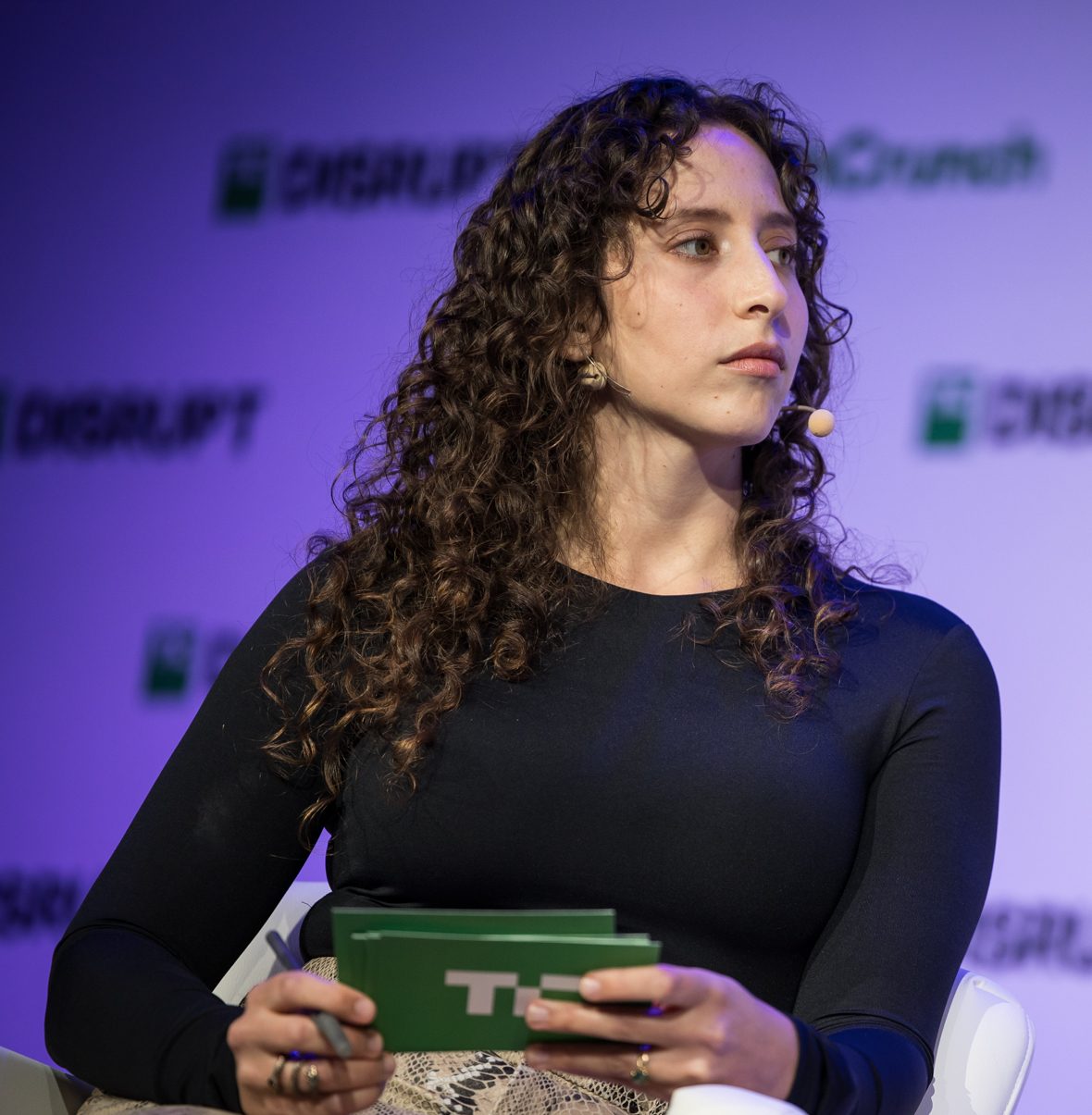
The application’s interface mimics social media mechanics while inverting its purpose. Swiping up reveals the next topic in a textbook or course. Swiping sideways deepens exploration of the current topic. Each topic concludes with a quiz, creating comprehension checkpoints rather than endless scroll loops designed to maximize engagement. Co-founders Utsav Gupta and Rebecca Neff bootstrapped the company this year after growing personally frustrated with their own late-night doomscrolling habits. Gupta studies AI and human purpose at Stanford, while Neff studies computer science at the University of Pennsylvania.
The Generational Mismatch Between Format and Content
ScrollEd’s founding insight emerged from observing how younger people actually consume information. The generation Gupta specifically mentions—18-year-olds—has migrated almost entirely to vertical, short-form feeds. This creates an inherent problem for educational institutions, which have always assumed sustained attention and sequential engagement with complex, layered material. Traditional textbooks expect readers to sit down, open a book, and work through chapters methodically. But that behavior is increasingly rare among the demographic that needs to learn the most.
Gupta articulated the challenge directly: “The younger generation is increasingly going short form, vertical feed only (especially the 18 year olds we’ve spoken to!), and this poses challenges for any kind of media that requires depth.” The implication is stark—if educational institutions cannot meet students where their attention naturally flows, those institutions will lose their audience to more engaging formats, regardless of pedagogical value.
Accepting Scrolling Rather Than Fighting It
Rather than arguing that students should abandon short-form content consumption (a losing battle against the design incentives embedded in major platforms), ScrollEd accepts the behavior and restructures educational content around it. The founders reject the narrative that scrolling itself is the villain. Instead, they see an opportunity: what if the platforms where people naturally spend hours could be engineered to deliver education rather than just engagement metrics?
“We want to meet them where they are,” Gupta told TechCrunch. “We just have to be deliberate about how we use it and choose not to maximize engagement on the platform.” That final clause distinguishes ScrollEd’s approach from platforms like TikTok and Instagram, which optimize for time spent and engagement loops. ScrollEd intends to optimize for comprehension—a fundamentally different goal that cascades through every design decision.
How the Platform Converts Textbooks Into Feeds
ScrollEd’s content generation system relies on AI to convert source material—whether a textbook chapter, research paper, or course module—into multiple formats. A single chapter might appear as a video explanation in one swipe, a text summary in the next, and an audio narration in another. This format diversity serves two concurrent purposes: it accommodates different learning preferences (some people absorb information better from video, others from reading or listening), and it breaks the visual monotony users would experience scrolling through the same format repeatedly.
Navigation Design Built for Deeper Learning
The gesture vocabulary on ScrollEd differs from social media platforms in ways that reshape how users interact with content. On TikTok, a swipe takes you to unrelated creators and content. On Instagram Reels, it shuffles you through the algorithm’s recommendations. On ScrollEd, swiping sideways keeps users within the same topic, enabling lateral exploration—drilling down into a specific concept, example, or related idea—before progressing to the next topic via an upward swipe. The quiz that follows each topic functions as a learning checkpoint rather than a recommendation signal for algorithmic optimization.
Gupta explained the underlying design philosophy: “A short video can make you curious; following that curiosity can mean searching for another explanation or leaving the app. We wanted going deeper to be as easy as moving to the next video.” This principle inverts the social media model. Rather than increasing time on platform through algorithmic recommendations and engagement loops, ScrollEd increases meaningful engagement by making depth accessible and frictionless.
Business Model: Three Revenue Streams
ScrollEd targets three distinct customer segments, each with its own revenue model. Individual consumers access a free tier with limited content or purchase ScrollEd Pro subscriptions for expanded access. Educational institutions—schools, universities, and online platforms—pay annual licenses to host their material on ScrollEd’s infrastructure. Corporate training programs represent a third market segment, where onboarding and continuing education often suffer from poor engagement and completion rates.
Why Institutions Pay
The institutional license model creates a feedback loop. Schools pay to deliver educational material through ScrollEd’s platform and receive detailed data in return: engagement metrics, lesson progress tracking, and completion reports. This arrangement solves a longstanding problem in education—visibility. Rather than assigning homework and hoping students complete it, educators see exactly how learners interact with material, where they spend time, and where comprehension gaps emerge. For ScrollEd, institutional customers provide both direct revenue and a continuously expanding library of vetted educational content.
Consumer Launch and Immediate Priorities
The company’s immediate roadmap centers on launching its consumer product at TechCrunch Disrupt, scheduled for October 13-15 in San Francisco. Beyond the launch itself, ScrollEd plans to expand its lesson library by converting additional textbooks and courses into the platform’s scrollable format, develop a source-checking workflow to validate content accuracy (critical for educational credibility), and initiate pilots with interested institutions to test whether the platform’s format translates to traditional educational settings.
Long-Term Vision: Adaptive Learning at Scale
The current product represents ScrollEd’s foundation, but the company is already building toward more sophisticated capabilities. Beyond simply converting textbooks into scrollable feeds, ScrollEd intends to develop systems that assess individual learners and adapt content in real time based on their progress, comprehension patterns, and learning style.
Gupta articulated the long-term ambition simply: “The ambition is a social network that’s better for you.” That statement encompasses ScrollEd’s central bet—that the same design patterns that made platforms like Instagram and TikTok phenomenally successful at capturing and holding attention can be repurposed to improve learning outcomes, rather than maximizing engagement metrics for advertisers.
Frequently Asked Questions
How does ScrollEd's interface work?
Users swipe up to see the next topic and swipe sideways to explore deeper within a topic. Content appears as AI-generated video, audio, text, or quizzes, with a comprehension quiz concluding each topic.
Who founded ScrollEd and why?
Utsav Gupta (Stanford, studies AI and human purpose) and Rebecca Neff (University of Pennsylvania, studies computer science) bootstrapped the company this year after both felt dissatisfied doomscrolling before bed.
What is ScrollEd's pricing model?
ScrollEd offers a free consumer feed with limited content, a paid ScrollEd Pro subscription tier, and annual institutional licenses that provide schools with engagement metrics, lesson progress data, and completion reports.
